
Vandaag of morgen in huis

Kwaliteit gegarandeerd

Welkomstaanbiedingen ontgrendelen: GRATIS bezorging | Tot 80% korting | Gratis 30 dagen JoyPlus-proefperiode
Download de app
A cupboard full of cleaning products doesn’t automatically mean you have the right one for every job. A laundry detergent for coloured clothes works differently from a stain remover for clothing. Likewise, an all-purpose cleaner isn’t always suitable for limescale, stubborn grease or delicate surfaces.
The most common buying mistakes come down to three pitfalls:
Start by asking: what do you want to clean and what is it made of? For white or coloured laundry, you need a suitable detergent. A stain remover can be used as a pre-treatment, but always check the garment’s care label first and, if necessary, test the product on an inconspicuous area.
The same goes for hard surfaces. An all-purpose cleaner is practical for everyday dirt on suitable surfaces. A degreaser makes more sense for cooking grease, baked-on residue and greasy metal parts. For limescale in the bathroom, a bathroom cleaner is a better choice than a universal spray.
Only use bleach according to the label. Never mix bleach with other cleaning products, especially not with acidic products such as some toilet cleaners or bathroom cleaners. This can produce dangerous fumes.
With liquid laundry detergent, the dosage depends on factors including the load size, how dirty the laundry is and the water hardness. Using more product doesn’t automatically mean cleaner clothes. In fact, it can leave residue in the machine or on fabrics.
Laundry pods have a fixed dosage. That’s handy if you don’t want to measure, but a pod isn’t automatically suitable for every small load. Place the capsule in the empty drum according to the product instructions, keep the packaging closed and store pods out of reach of children.
With cleaning sprays, ease of use comes down to using the right amount. A spray is ready to use straight away, whereas a concentrated all-purpose cleaner sometimes needs diluting. Check whether the product is intended for direct use or for dilution.
Pay attention to the ratio between volume, number of washes and price per use. A 1.5-litre bottle might look appealing, but the number of washes gives a fairer picture. The available product information states, for example, 42 washes for At Home Liquid Detergent Universal and 52 washes for Dreft Liquid Laundry Detergent Regular.
For household cleaning products, you mainly compare millilitres and application. A 750 ml bottle can be suitable for regular spot cleaning, while a 1-litre pack may be more convenient for floors and larger surfaces.
Also always check the hazard warnings, ingredients and safety instructions. Some products can cause skin or eye irritation or be harmful to aquatic life. Ventilate the room while cleaning and wear gloves if necessary.
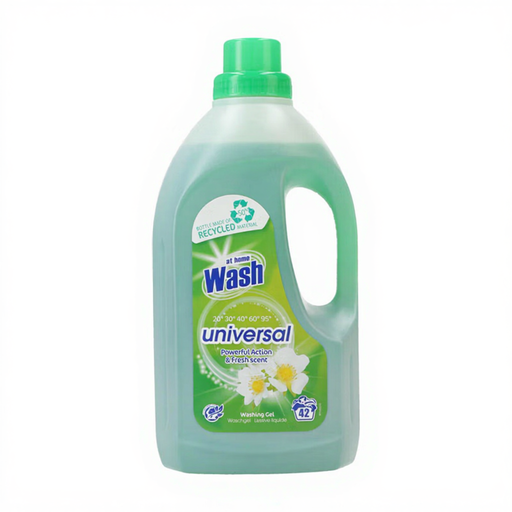
Why this fits the profile: The 1.5-litre pack is designed for multiple washes and the liquid format is familiar for everyday use on different types of fabric.
The 42 washes make comparison easier than relying on bottle size alone. The dosage should be adjusted according to water hardness and how dirty the laundry is.
Liquid universal laundry detergent, 1.5-litre volume and suitable for coloured washes according to the product information.
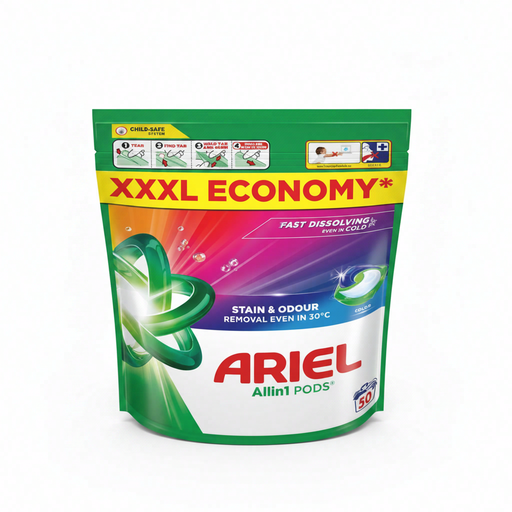
Why this fits the profile: These laundry pods are designed for coloured washes and offer a fixed dosage for anyone who wants to wash quickly without a measuring cup.
The pack states 50 washes, making the cost per use easier to assess. Do pay attention to the safety instructions for capsules.
50 capsules, intended for coloured clothing and, according to the product description, usable from 30 °C.
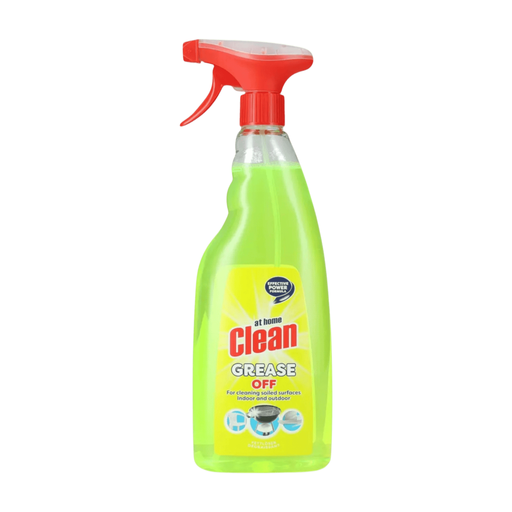
Why this fits the profile: The spray is intended for kitchen surfaces, hobs, extractor hoods, ovens, grills and other surfaces with greasy dirt.
Instead of using an all-purpose cleaner for heavy grease residue, you choose a product with a clearly defined application and follow the contact time stated on the label.
750 ml spray, suitable for indoor and outdoor use according to the product description and easy to rinse off.
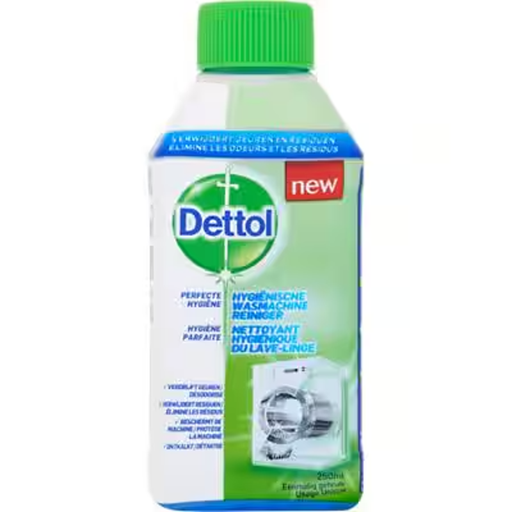
Why this fits the profile: This product is specifically designed for washing machine maintenance and suits households that wash regularly and want to tackle odour or dirt residue.
It’s not an extra laundry detergent for clothes, but a separate maintenance product. This keeps the application clear and prevents incorrect use in a full drum.
250 ml for all washing machines; the instructions recommend an empty programme at 60 °C and monthly maintenance.
We’ve put together a full, up-to-date list of products that fully meet these strict selection criteria and comply with current European safety regulations.
That depends on the price per wash and how you use it. Liquid laundry detergent can be dosed based on the load size and water hardness. Laundry pods have a fixed dosage and are practical, but they’re less flexible for a small load. So always compare the stated number of washes with the purchase price.
No. Check the label and the material specifications before you start. Use a glass cleaner for windows and mirrors, a degreaser for suitable greasy surfaces and a bathroom cleaner for limescale and soap scum. Be extra careful with natural stone, wood, varnished surfaces and delicate metals.
The recommended frequency varies by brand and product. For the Dettol washing machine cleaner mentioned, the product information states monthly use, with an empty programme at 60 °C. Always follow the current instructions on the packaging and do not use the product together with laundry or other cleaning agents.
