
Vandaag of morgen in huis

Kwaliteit gegarandeerd

Welkomstaanbiedingen ontgrendelen: GRATIS bezorging | Tot 80% korting | Gratis 30 dagen JoyPlus-proefperiode
Download de app
A full laundry basket, limescale in the toilet and dust on the furniture don’t call for dozens of different products. Yet many households choose cleaning products and laundry detergents based on their fragrance, eye-catching packaging or broad marketing claims. You may end up paying for features you rarely use, or choosing a product that isn’t right for your surfaces, wash temperature or cleaning routine.
Look out for these three common pitfalls:
First, check which surface the product is designed for. Microfibre cloths are useful for dust, fingerprints and everyday cleaning. The g'woon Microfiber Cloths Bag contains three cloths and, according to the product description, is suitable for various surfaces. Use a clean cloth for each room or task to avoid spreading dirt unnecessarily.
For windows and mirrors, glass cloths are more convenient than a general-purpose cleaning cloth. Remove loose dust before wiping the glass. Work from top to bottom, using gentle circular movements, as indicated on the g'woon Glass Cloths packaging.
A scouring sponge or metal scourer is mainly intended for stubborn dirt on suitable, hard-wearing surfaces. The Cleany Stainless Steel Scourer Set contains three stainless steel scourers. Always test on an inconspicuous area first, and don’t use them on painted, shiny or scratch-prone materials.
With liquid laundry detergent, the dosage matters more than the size of the bottle alone. Check:
At Home Liquid Detergent Color contains 1.5 litres and, according to the product information, is listed as suitable for up to 42 washes. The recommended amount for a normal load is 35 ml. This variant is intended for coloured laundry and, according to the description, can be used for machine and hand washing at temperatures between 20 and 60 °C.
Laundry pods are easy to dose, but less flexible if you’re doing a small load or want to adjust the amount. The Ariel Laundry Detergent Pods Colour All-in-1 pack contains 50 capsules. According to the product description, the pods are intended for coloured laundry and dissolve from 30 °C. Place a pod in the empty drum, add your laundry and always follow the safety instructions on the label.
Cleaning products can be irritating or harmful to aquatic life. Always read the label, use the correct dosage and store products out of the reach of children. Never mix different toilet cleaners or other cleaning products.
For everyday toilet maintenance, you can use a toilet rim block. The g'woon Lavender WC Block contains two 48-gram blocks. Hang the block over the rim of the toilet as instructed, so it comes into contact with the water when you flush. Wash your hands after use.
A toilet cleaner in gel form is designed for targeted cleaning under the rim and around the inside of the bowl. Ambipur WC Active Gel Moonlight Flowers comes in a 750 ml bottle. According to the product description, the gel is designed to tackle limescale, dirt and rust, among other things. Leave it to work as directed on the label, brush if needed and rinse thoroughly. Don’t use another cleaner at the same time.
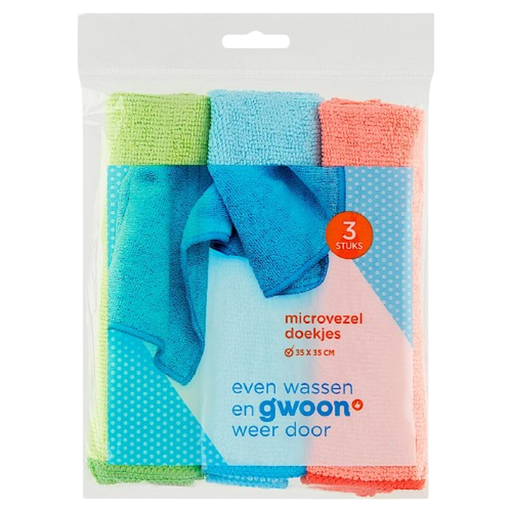
Why it suits this household: Three reusable microfibre cloths are a simple starting point for the kitchen, bathroom and furniture. According to the product description, they pick up dirt and dust, so you don’t need a separate product for every task.
You don’t need to buy a separate set of cleaning cloths for every room. Wash and use the cloths in line with the care instructions on the label.
Pack of 3; suitable for various surfaces; compact to store.
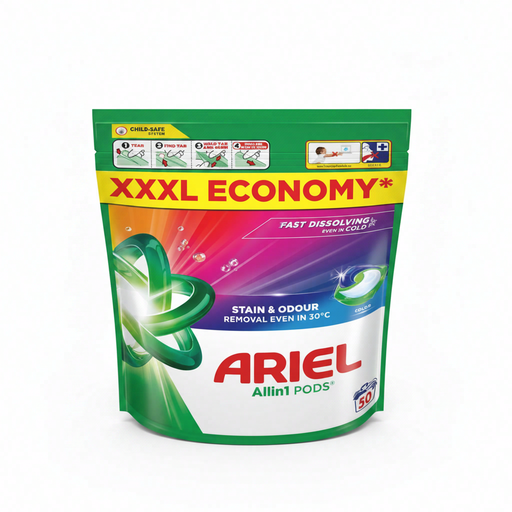
Why it suits this household: Handy for households that want to wash without a measuring cup and often put coloured clothes in the machine.
The amount per capsule is fixed in advance. Still, follow the instructions for extra-dirty laundry and keep the sealed pack out of the reach of children.
50 capsules; designed for coloured laundry; no measuring required.
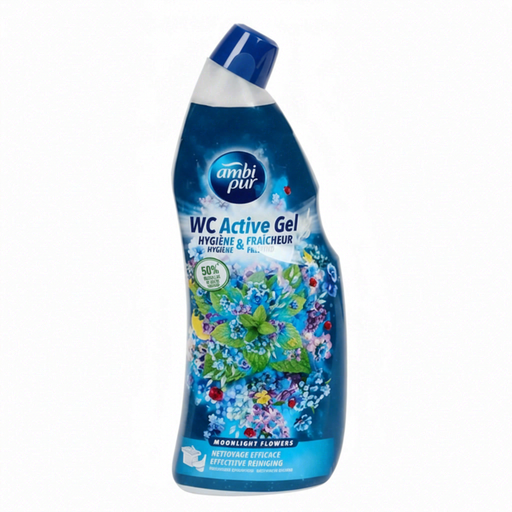
Why it suits this household: Ideal if you want to clean the toilet bowl in a targeted way and prefer a gel that can be applied under the rim.
It has a clearly defined use: apply under the rim and along the inside of the bowl. That way, you won’t use a general-purpose cleaner for a task it wasn’t designed for.
750 ml; gel formula; suitable for targeted use in the toilet bowl.
We’ve put together a complete, up-to-date list of products that meet these strict selection criteria and current European safety regulations.
A practical starter set could include:
It depends on how you do your washing. Liquid detergent lets you adjust the dosage, which can be handy for small or lightly soiled loads. Laundry pods are easier to use, but each capsule contains a fixed amount. So compare the cost per wash, not just the price of the pack.
Their lifespan depends on their quality, how often they’re washed and how they’re used. Wash microfibre cloths according to the label and avoid products that can clog the fibres. Use separate cloths for the toilet, kitchen and general surfaces. Replace a cloth when it’s worn out, no longer absorbs well or has a lingering smell.
No. A laundry scent booster is an extra, not a replacement for detergent. Use a detergent that’s suitable for the fabric and add scent beads only as directed on the product. This helps you avoid mistaking fragrance for cleaning.
