
Vandaag of morgen in huis

Kwaliteit gegarandeerd

Welkomstaanbiedingen ontgrendelen: GRATIS bezorging | Tot 80% korting | Gratis 30 dagen JoyPlus-proefperiode
Download de app
A loose brush, a coffee machine maintenance kit or a car cleaner may seem easy to choose. Yet many households buy a product that is barely used after a few weeks. The problem often isn’t the brand, but the wrong size, unsuitable materials or a use that doesn’t fit in with your day-to-day cleaning routine.
A stiff grout brush can be useful for tile joints, but it’s less suitable for varnished wood, plastic or delicate taps. On the other hand, a soft brush may not shift stubborn dirt. So, start by checking the stiffness and material of the bristles.
A long handle can reduce strain on your back while scrubbing, but it won’t necessarily reach into a narrow gap or corner. Check that the brush head is narrow enough and that the handle offers a good grip when wet.
Terms such as “multi-purpose”, “hygienic” or “deep cleaning” don’t tell you much without information about dimensions, compatibility and care. For example, a manufacturer’s product information may say that a product is designed for several uses, but that doesn’t mean it’s suitable for every surface. Look for details you can check, such as dimensions, material, number of parts and instructions for use.
Sturdy PP or plastic bristles are often practical for bathroom tiles, grout and garage floors. Soft microfibre or fibre bristles are better suited to dashboards, glass and varnished surfaces. Also check whether the brush can dry completely after use. Damp bristles can develop unpleasant smells and wear out more quickly.
A grout brush or cleaning brush for hard-to-reach places works particularly well when its head is narrow. A flexible head can help you clean around taps and edges, while a long handle is better suited to floors or larger surfaces.
Check the overall length, the width of the head and the shape of the handle. According to its product description, a 36 cm scrubbing brush with 29 mm-long bristles is designed for floors, patios, grout and outdoor surfaces. That size is less practical for small edges in the kitchen.
Compact brushes are more convenient for cleaning a car’s interior. A car air vent brush should fit between the slats without needing much pressure. Use a clean brush on delicate surfaces, and remove sand and hard particles first to help prevent scratches.
Maintenance products need to be suitable for your appliance. For a coffee machine, check the brand, model and filter type. According to the product information, the De’Longhi DLSC306 includes a water filter, descaler, cleaner, cloth and water hardness test. The instructions state that the filter should be replaced every two months and that you should descale the machine when prompted.
For a car air-con cleaner, the conditions of use matter. According to Wynn’s product information, the ambient temperature must be above 15 °C. The treatment is carried out with the windows closed and the ventilation set to recirculate. Always follow the label and air out the car after use. Claims about odour removal or performance come from the brand and shouldn’t be taken as a guarantee for every car.
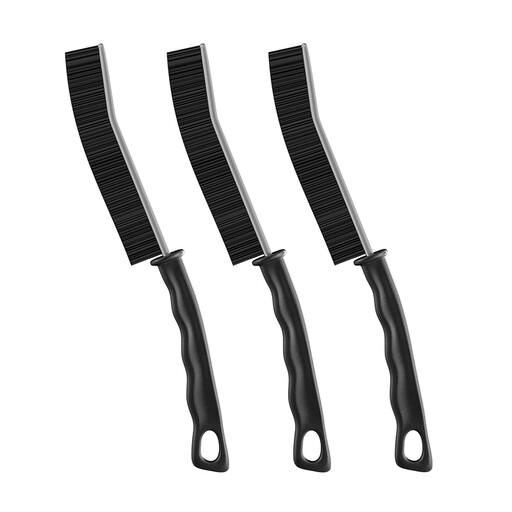
Why it suits this type of shopper: A set of three is handy for households looking to tackle several gaps, edges or small surfaces without immediately buying different types of brush.
Its narrow shape is better suited to gaps than a wide floor brush. Before use, check that it’s suitable for the surface and keep the brush dry.
Three brushes per pack and a long handle; according to the product description, no assembly is required.
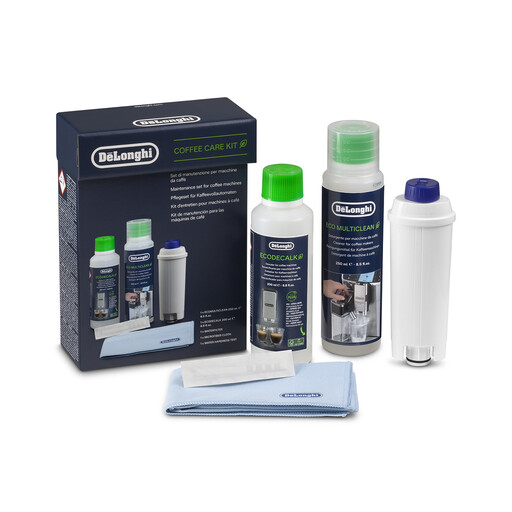
Why it suits this type of shopper: Coffee lovers who want to look after their espresso machine to a regular maintenance schedule get several essentials in one set.
The set clearly lists the parts included. Check that your coffee machine is compatible with this filter and these maintenance products.
Five items, including EcoDecalk, Eco MultiClean, a water filter, test strip and microfibre cloth.
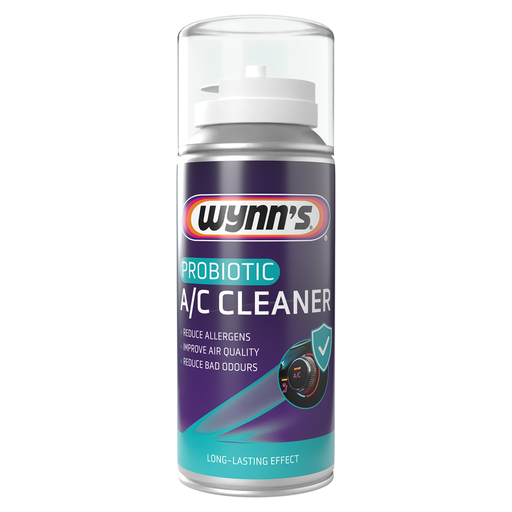
Why it suits this type of shopper: Drivers looking for targeted maintenance for their ventilation system could consider this car air-con cleaner for a one-off treatment.
The instructions specify the temperature, recirculation setting, ventilation time and need to air out the car afterwards. This makes it a more clearly defined treatment than a general air freshener.
150 ml aerosol; according to the product information, it’s suitable for vehicle air-conditioning systems and interior materials when used as directed.
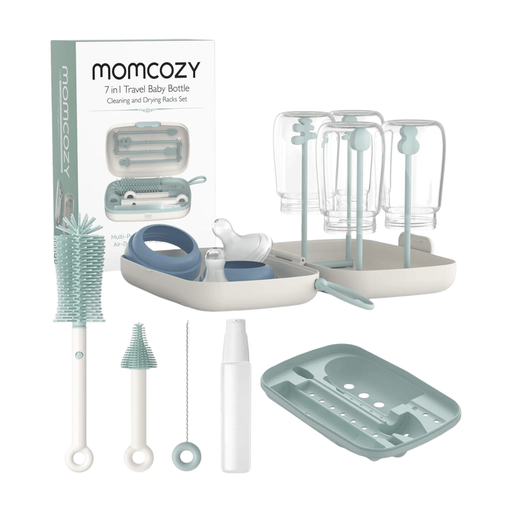
Why it suits this type of shopper: Parents cleaning bottles, teats, straws and breast pump parts have several brush sizes to hand with this set.
The set includes separate brushes for bottles, teats and straws. Rinse everything thoroughly after use, leave it to dry completely and follow the instructions for boiling or sterilising.
Seven items, food-grade silicone, BPA-free plastic and a folding drying rack, according to the product description.
The right products for bathrooms, kitchens, cars and household maintenance vary depending on the material and the task. Browse the range of cleaning accessories, including car detailing brushes, toilet brushes with holders, multi-purpose cleaning products and brushes for hard-to-reach places.
We’ve put together a complete, up-to-date list of products that meet these strict selection criteria and the applicable European safety requirements.
It depends on how often you use them, how much pressure you apply and which cleaning products you use. Replace a brush when its bristles bend, come loose or stop shifting dirt effectively. Rinse off any residue after use and leave the brush somewhere dry and well ventilated.
It’s usually not a good idea. A brush used on grout or bathroom fittings may hold hard particles of dirt that can damage paintwork, glass or plastic. Use a separate, soft car detailing brush or air vent brush for your car’s interior and paintwork.
The costs include filters, descaler and cleaner. How often you need them depends on water hardness, how much you use the machine and the manufacturer’s instructions. A coffee machine maintenance kit can be handy when you need several items at once, but always check that it’s compatible with your model.
