
Vandaag of morgen in huis

Kwaliteit gegarandeerd

Welkomstaanbiedingen ontgrendelen: GRATIS bezorging | Tot 80% korting | Gratis 30 dagen JoyPlus-proefperiode
Download de app
A bottle of cleaning product often seems like a simple purchase. Yet British households regularly pay for a pack that doesn't suit their actual needs. A detergent for white washing, for example, can be unsuitable for dark clothing, while a bulk pack isn't always better value if you use too much.
The three most common pitfalls are:
A good choice therefore starts with the application, the dosage and the safety information on the label.
Use a product for which the surface or fabric is clearly stated:
Don't just compare the price per bottle or box; calculate the price per wash or application. Pay attention to:
A 1.5-litre bottle, for example, can contain up to 42 doses according to the product information from At Home. Another product of around one litre may be intended for significantly fewer washes. The correct comparison is therefore price per recommended dose, not price per pack.
Using too much product is, moreover, no guarantee of cleaner washing. Follow the pack instructions and take into account the water hardness in your area.
The label lists, among other things, surfactants, enzymes, fragrances and preservatives. This information helps you make a suitable choice.
If you're looking for hypoallergenic detergent or detergent for sensitive skin, look for:
A claim like "hypoallergenic" is no guarantee that everyone can use the product without problems. According to the product information from Neutral, Neutral Liquid Detergent Color contains 0% perfume and 0% dyes and is dermatologically tested. If in doubt, always check the label and stop using it if irritation occurs.
The same rule applies to all-purpose cleaner. The product information for Andy All-Purpose Cleaner mentions use on washable surfaces, diluted or undiluted depending on the soiling. For natural stone and painted surfaces, diluted use is recommended. Always test on an inconspicuous spot first and never mix cleaning products together.
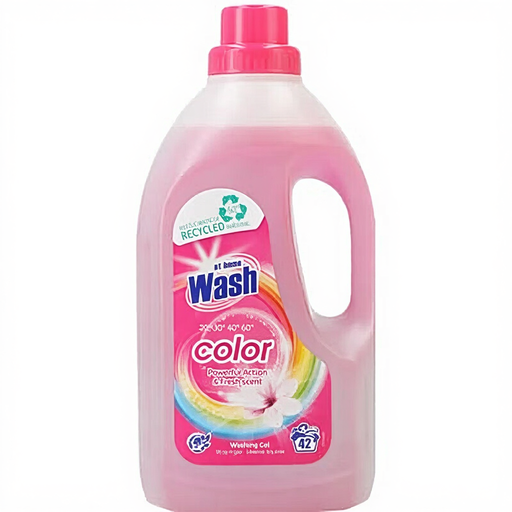
Why this fits the profile: The bottle states up to 42 washes and is designed for coloured laundry. This makes comparing per wash straightforward for a household looking for one everyday product.
The number of doses is clearly stated, so you don't have to rely solely on the bottle contents or a fragrance claim. Use the dosing cap and follow the instructions on the pack.
1.5 litres contents; according to the product information, suitable for machine and hand washing and for temperatures from 20 °C to 60 °C.
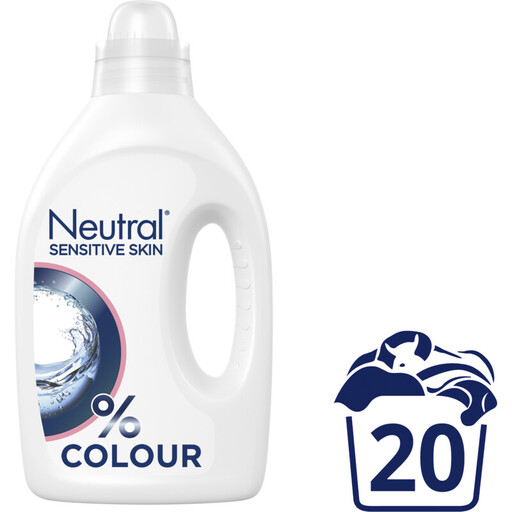
Why this fits the profile: According to the product information, this product is aimed at coloured laundry and consumers who want to avoid perfume and dyes.
The composition and intended use are specifically described. This allows you to make a choice based on ingredients rather than just a general skin claim.
1 litre and 20 washes according to the product information; 0% perfume and 0% dyes; mentions 97% biodegradable ingredients.
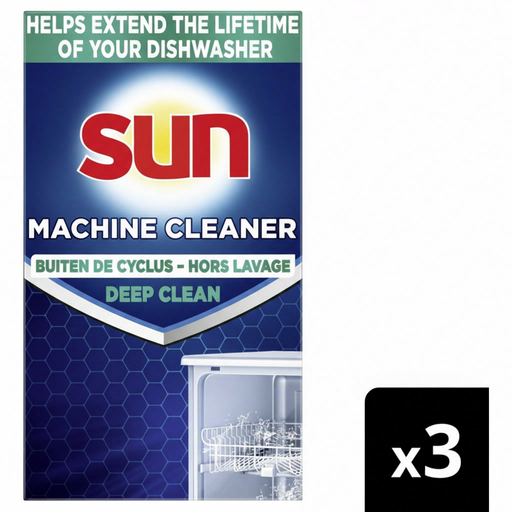
Why this fits the profile: For households that use the dishwasher regularly, a separate maintenance product is clearer than using dishwasher tablets for a different purpose.
The application is specific: according to the product information, the product is intended for grease and limescale deposits in the dishwasher. It therefore does not replace normal dishwasher detergent.
Three sachets of 40 grams; according to the product information, suitable for a separate maintenance programme and also for a short or eco programme.
We've put together a full, up-to-date list of products that fully meet these strict selection criteria and current European safety regulations.
Look for a product without perfume and dyes and check whether "hypoallergenic" and "dermatologically tested" appear on the pack. These are product claims, not a personal guarantee. Rinse clothing thoroughly and follow the recommended dosage.
That depends on the dosage, the number of washes and the price. Always compare the cost per wash. Washing powder can be practical for white washing, while liquid detergent is often easy to dose for coloured laundry. The washing instructions on the garment remain the most important guide.
There is no universal interval for every appliance. Look at the instructions on the pack and watch for signs such as a musty smell, visible deposits or a less clean result. Never use a dishwasher cleaner as a replacement for dishwasher tablets and store the product sealed, out of reach of children.
