
Vandaag of morgen in huis

Kwaliteit gegarandeerd

Welkomstaanbiedingen ontgrendelen: GRATIS bezorging | Tot 80% korting | Gratis 30 dagen JoyPlus-proefperiode
Download de app
A cupboard full of cleaning products doesn't automatically mean you're equipped to tackle every problem. A bathroom cleaner is designed for different residues than a degreaser, while a stain remover for textiles isn't suitable for hard surfaces. If you only go by terms like "powerful", "fresh", or "for the whole house", you might end up paying for a product that isn't right for the job.
That's why it's important to pay close attention to the intended use, safety information, and instructions. This will help you avoid bad buys and ensure you only purchase the cleaning products you actually need.
An all-purpose cleaner can be handy for many hard, washable surfaces, but it's not automatically suitable for natural stone, lacquered materials, plastic, or delicate coatings. A descaler often contains acids and can therefore damage acid-sensitive materials like marble, travertine, aluminium, copper, and some protective layers.
Always read the label before you buy and before you use the product. If a surface isn't clearly mentioned, test the product on an inconspicuous area first.
Words like "instant results", "100%", or "kills bacteria" are common in product descriptions. According to the product description for Mr. Muscle Bathroom Cleaner, the spray removes bacteria; this is a brand claim, not a universal guarantee for every situation. Similarly, the product description for Ajax Bathroom Spray mentions a 100% anti-limescale effect.
Instead, look for verifiable information:
A powerful product isn't necessarily the right choice. Some toilet cleaners, mould removers, and descalers can cause skin or eye irritation. For example, WC EEND Action Gel includes warnings for severe burns and eye damage. According to its product information, the 3G Professional Mold & Stain Remover also has extensive hazard statements.
Use gloves when the label advises it, ensure good ventilation, and keep bottles out of the reach of children. Never mix cleaning products, especially chlorine-based products with acidic cleaners.
The right category depends on what you want to remove:
A product that is suitable for tiles is not automatically suitable for natural stone or metal taps. The product information for 3G Professional Descaler, for example, warns against use on materials including marble, travertine, silver, gold, aluminium, and copper.
Also, be mindful of delicate surfaces. According to its product description, The Pink Stuff The Miracle Cleaning Paste is a mild abrasive, but it should not be used on plastic, acrylic, high-gloss surfaces, or hot hobs. The abrasive particles can cause scratches or dull spots.
Don't just compare the price of a bottle; also consider the volume and dosage. A concentrated formula, like the g'woon Multi-Purpose Degreaser, can be diluted according to its product description. A spray is practical for spot cleaning, while a larger bottle might be more convenient if you regularly clean large surfaces.
Also, check the cap, spray nozzle, and storage instructions. Several products state that the bottle must be transported or stored upright. You can find the shelf life or usage information on the packaging.
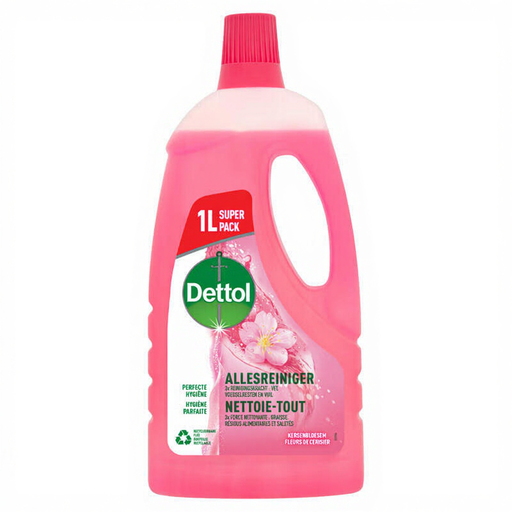
Why it's a good fit: The 1-litre volume is practical for regular use on hard and washable surfaces in different rooms.
The product description clearly specifies hard and washable surfaces, allowing you to check its intended use before you start.
1-litre volume; designed for grease, food residue, and dirt on hard, washable surfaces.
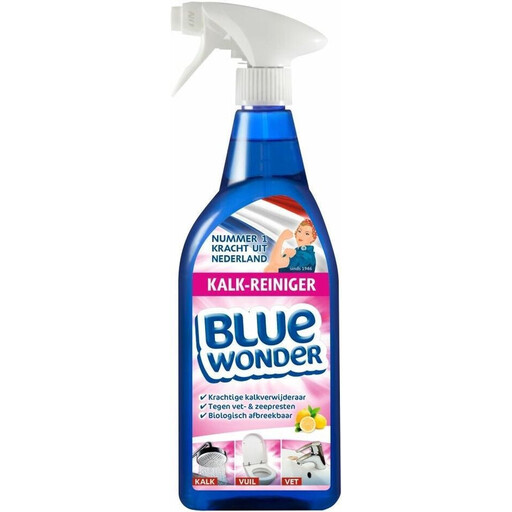
Why it's a good fit: This spray targets limescale, soap, and grease on sinks, shower doors, taps, and tiles, among other surfaces.
The product isn't presented as a universal cleaner but as a limescale remover. This makes your choice more specific and verifiable.
750 ml volume; designed for limescale, soap scum, and grease on multiple bathroom surfaces.
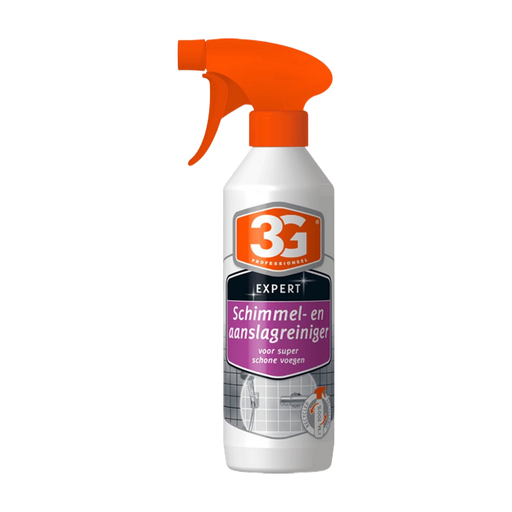
Why it's a good fit: According to the product information, this product is designed for mould and mildew spots on tiled walls and grout in bathrooms, kitchens, and garages.
The instructions specify a distance of 3–5 cm, a 10-minute waiting time, and the need to cover plants and bare metal.
Targets mould and mildew; clear usage instructions; 500 ml volume.
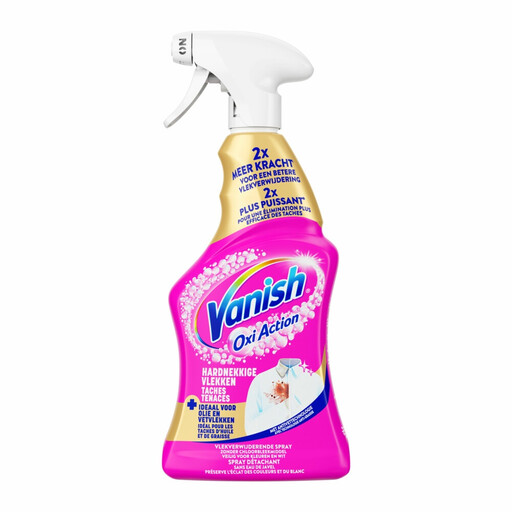
Why it's a good fit: According to the product description, the spray is intended as a pre-treatment for clothes and textiles, including both whites and colours.
You're using a product designed for textiles instead of a bathroom cleaner or degreaser on clothing. Follow the instructions: spray, rub gently, leave for a maximum of 5 minutes, and then wash.
Spray format; 500 ml volume; suitable as a pre-treatment for clothes and textiles.
We've put together a complete, up-to-date list of products that fully meet these strict selection criteria and comply with current European safety regulations.
Start with an all-purpose cleaner for hard, washable surfaces, a bathroom cleaner or descaler, a degreaser for the kitchen, and a stain remover for textiles. Add a toilet cleaner or mould remover if you have those specific jobs regularly. Always check the suitable surfaces and safety instructions for each product.
The relevant shelf life, best-before, or period-after-opening information is on the packaging. Store products according to the label, close spray bottles tightly, and keep them upright if indicated. Changes in smell, colour, texture, or effectiveness are reasons to stop using the product.
Don't automatically buy the largest container. Compare the volume, dosage, and intended use. A concentrated degreaser can be economical if it can be diluted, while a spray is more convenient for small surfaces. Furthermore, only use a product for the task it's designed for; incorrect use can cause damage and extra costs.
