
Vandaag of morgen in huis

Kwaliteit gegarandeerd

Welkomstaanbiedingen ontgrendelen: GRATIS bezorging | Tot 80% korting | Gratis 30 dagen JoyPlus-proefperiode
Download de app
A well-stocked cleaning cabinet doesn't always mean a clean home. Often, it's filled with half-empty bottles that promised to do it all but failed to deliver. Choosing the right cleaning products can feel like navigating a maze of marketing claims and vague promises. Before you buy another bottle that just ends up gathering dust, let's review the most common pitfalls and key factors to consider.
Many cleaning supplies are sold with clever marketing that plays on convenience and speed. Unfortunately, this often leads to disappointment and wasted money. These are the three most common pitfalls:
To avoid a bad buy, it's helpful to look beyond the front of the bottle. By paying attention to a few technical specifications, you can choose a product that actually delivers on its promises.
Not every formula is the same. The composition determines its effectiveness for a specific job.
The form of the product determines its ease of use.
Want to choose sustainable cleaning products? Look for concrete and verifiable claims on the packaging.
Based on these criteria, we have selected a number of products that suit different needs and households.
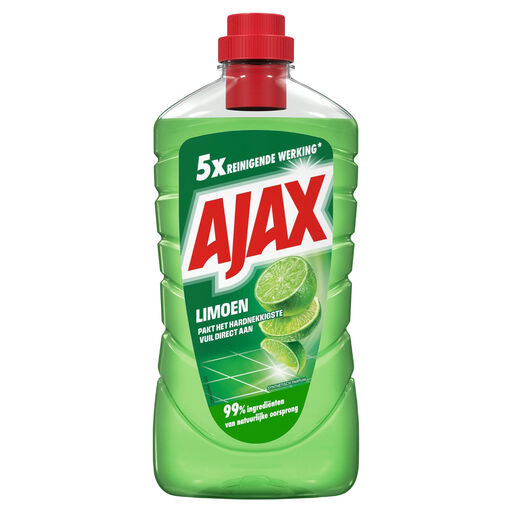
Why This Fits Their Persona: For those looking for a reliable and versatile cleaner for daily cleaning. This concentrated formula is economical for use on floors and other large surfaces, and the fresh scent is not too overpowering.
This product positions itself as a classic all-purpose cleaner and makes no unrealistic promises. It is intended for general dirt, which is exactly what a busy household needs, thus avoiding the "all-in-one" myth.
Large 1-litre bottle for long-lasting use. According to Ajax, it has a 97% biodegradable formula and a bottle made of 100% recycled plastic.
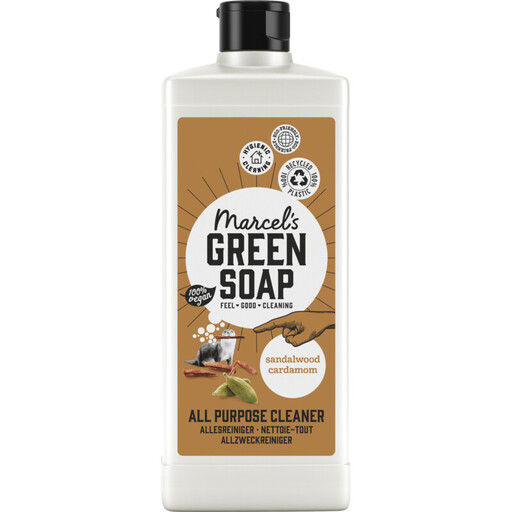
Why This Fits Their Persona: Perfect for those who want to combine cleaning with a positive impact. This product focuses on plant-based ingredients and sustainable packaging, without compromising on a pleasant and unique scent experience.
This brand avoids greenwashing by making specific, verifiable claims: at least 97% biodegradable, 100% vegan, and a bottle made of 100% recycled plastic. This provides the transparency the conscious consumer is looking for.
The formula is microplastic-free and full of natural ingredients. The unique scent combination of sandalwood and cardamom is a refreshing alternative to standard citrus or floral scents.
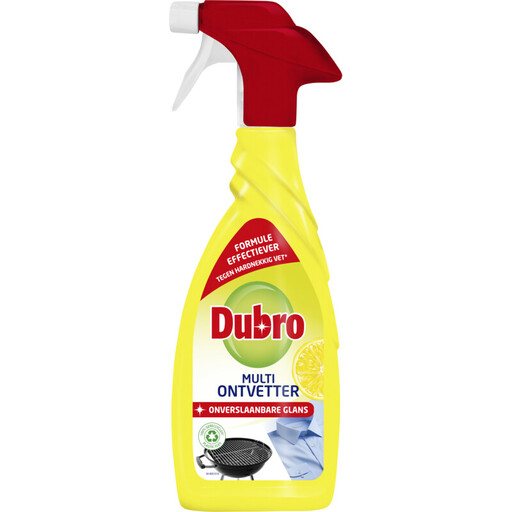
Why This Fits Their Persona: For those seeking a powerful solution for the toughest jobs. This spray is not a jack-of-all-trades, but a specialist that excels at removing caked-on grease in the kitchen, on the barbecue, or even on wheel rims.
This product is the opposite of the "all-in-one" pitfall. It is a specialised degreaser. By focusing on a single task—removing grease—it delivers an effective result where a general cleaner fails.
The powerful, concentrated formula is effective on various types of dirt and surfaces. It can also be used as a pre-treatment for grease stains on clothing. The packaging is made of 100% recycled plastic.
We have compiled a complete, up-to-date list of products that fully meet these strict selection criteria and local regulations.
Although the name suggests otherwise, an all-purpose cleaner is not always suitable for every surface. Be cautious with delicate materials like untreated wood, natural stone (marble), or special coatings. These can be damaged by the wrong formula. A pH-neutral cleaner is often a safer choice, but always read the product label and, when in doubt, test it on an inconspicuous area.
An all-purpose cleaner is designed for general, daily dirt like dust, fingerprints, and light stains. A degreaser has a much more powerful, alkaline formula specifically made to break down grease and oil molecules. For a greasy hob or extractor hood, a degreaser is the right choice, while an all-purpose cleaner is sufficient for wiping down the dining table.
Look past vague terms like "green" or "natural." Genuine sustainable cleaning products back up their claims. Look for certifications (like the EU Ecolabel), specific percentages (e.g., "99% ingredients of natural origin"), and clear information about the packaging (e.g., "bottle made of 100% recycled plastic"). Transparency is the key to a truly sustainable choice.
