
Vandaag of morgen in huis

Kwaliteit gegarandeerd

Welkomstaanbiedingen ontgrendelen: GRATIS bezorging | Tot 80% korting | Gratis 30 dagen JoyPlus-proefperiode
Download de app
A cupboard full of bottles doesn’t automatically mean you have the right product for every job. Cleaning products vary considerably in their ingredients, intended uses and safety instructions. A bathroom cleaner, for example, is designed to tackle different types of dirt from an all-purpose cleaner or stain remover.
The most common shopping mistakes are easy to avoid:
Start by considering the type of dirt and the surface. This helps you avoid cleaning too aggressively or using a product that isn’t suited to the task.
Check the label for both approved uses and restrictions. A cleaning paste may be suitable for pans, taps, ceramic tiles, glass and hard plastic, while a similar cream may not be intended for acrylic, plastic or high-gloss surfaces.
This is especially important with acidic products. The product information for the 3G Professional Device Descaler, for example, states that it shouldn’t be used on acid-sensitive natural stone, coated surfaces or metals such as silver, gold, aluminium and copper.
Check the hazard warnings, precautions and ingredients. With products containing chlorine, bleach or strong acids, gloves, good ventilation and eye protection may be necessary. Keep products out of children’s reach and store them in their original packaging.
The Ajax Bathroom Spray - Descaler 750ml states, among other things, that the product may be harmful if swallowed and can cause serious eye damage. This is useful information when comparing bathroom cleaners, even if the product description says it rinses off easily.
A 750 ml bottle, an 850 g tub and an appliance with a 1.5-litre water tank aren’t directly comparable. So check:
For steam cleaners, also check power, maximum pressure, temperature, heat-up time, tank capacity and included accessories. These figures give you a more practical idea of what to expect than the word “multifunctional” alone.
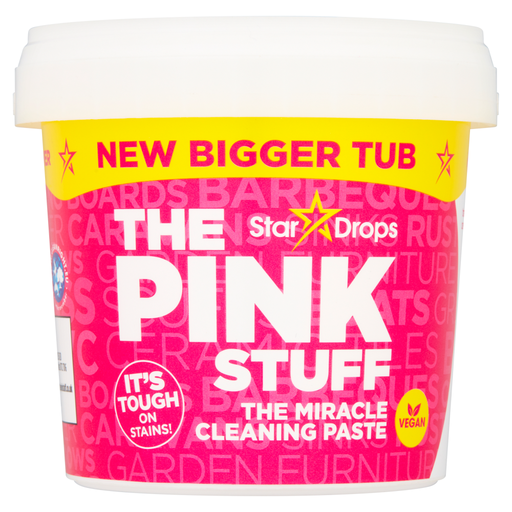
Why it suits this profile: This 850 g tub of cleaning paste is a practical choice for households looking for one product to use on several suitable hard surfaces, such as pans, taps and ceramic tiles.
The product information lists several uses and recommends testing it on an inconspicuous area first. This helps you avoid using it indiscriminately on delicate materials.
850 g capacity, suitable for hard surfaces and can be used with a damp cloth or sponge.
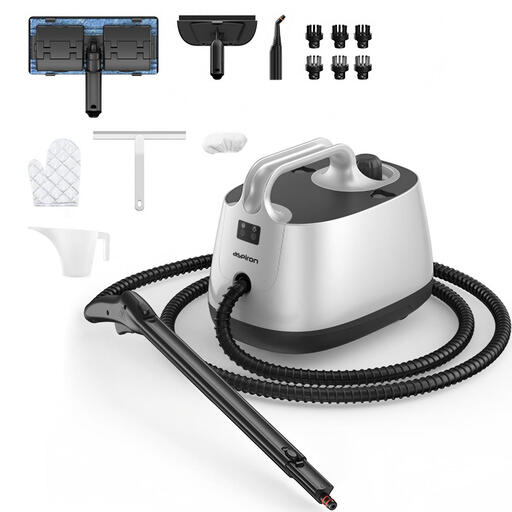
Why it suits this profile: A good choice if you want to clean the kitchen and bathroom as well as floors, windows, grouting, sofas and car interiors.
The choice is based on specifications you can check: 1500 W, up to 4 bar, temperatures of up to 145 °C, a 1.5-litre tank and 21 accessories.
Large water tank, integrated wheels, child safety lock and accessories for different surfaces.
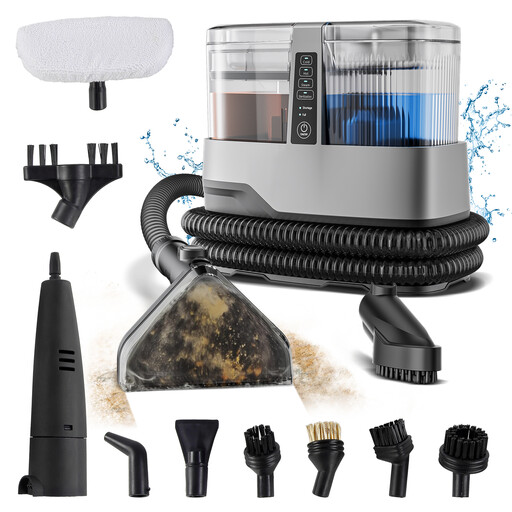
Why it suits this profile: A practical choice if you regularly need to clean carpets, sofas, car seats or other upholstery with a portable appliance.
The listed specifications include 1800 W and 17 kPa. Before buying, check which parts are included and whether the appliance is suitable for your upholstery.
Portable design for carpets, sofas and vehicle interiors; the product title states that it’s suitable for wet and dry cleaning.
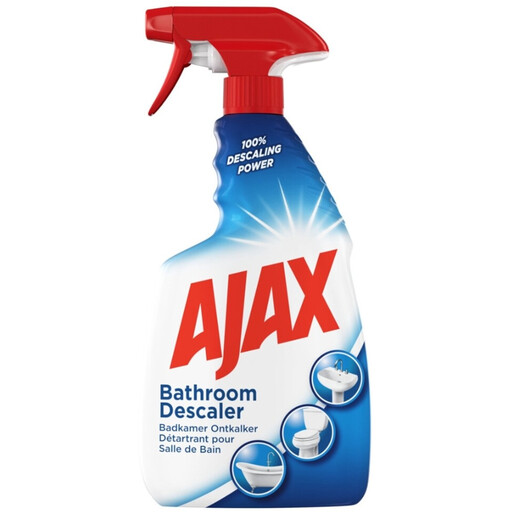
Why it suits this profile: For everyday care of showers, sinks, tiles and other suitable bathroom surfaces.
The product information says it rinses off easily and warns that it can cause serious eye damage. Use it only as directed on the label and protect your skin and eyes.
750 ml capacity, spray format and designed for bathroom use; the product description says it targets limescale.
We’ve put together a full, up-to-date list of products that meet these strict selection criteria and comply with current European safety regulations.
Read the full label before use, especially for bleach, mould remover, toilet cleaner and descaler. Wear gloves when instructed and make sure the area is well ventilated. Don’t transfer a product into another bottle, as this could mean losing the original hazard information.
When using cleaning paste or scouring powder, apply light pressure and use a soft sponge. If you’re using a steam cleaner, let it cool down before changing accessories or refilling it with water. Also check that your flooring, upholstery or furniture can withstand heat and moisture.
A bathroom cleaner is often enough for everyday dirt. For limescale, choose a descaler or cleaning vinegar, but only on acid-resistant surfaces. Use a dedicated mould remover for mouldy grouting. Always check the label and never mix different products.
Check the packaging for relevant shelf-life information. This may be a best-before date, use-by date or period after opening. Store products in a frost-free place, keep them tightly closed and out of children’s reach. Take care if a product has changed colour, its packaging is damaged or its label is unreadable.
That depends on the model, how often you use it and the cost of electricity. A steam cleaner uses water and electricity, while liquid products are used up with each application. Compare the tank capacity, heat-up time, cleaning time and accessories required for your regular cleaning tasks.
