
Vandaag of morgen in huis

Kwaliteit gegarandeerd

Welkomstaanbiedingen ontgrendelen: GRATIS bezorging | Tot 80% korting | Gratis 30 dagen JoyPlus-proefperiode
Download de app
A cupboard full of bottles doesn’t automatically make your home easier to clean. Many households buy an all-purpose cleaner for every surface, use too much product or choose a steam cleaner without checking whether their flooring is suitable. This can leave streaks, damage surfaces and lead to unnecessary costs.
Look out for three common pitfalls:
Choosing the right product starts with the type of dirt and the surface you’re cleaning. Here’s a practical overview:
Look for specific uses on the label, such as floors, kitchens, bathrooms, windows or all hard, washable surfaces. “Non-abrasive” is useful for smooth materials, while a scouring cleaner is designed for stubborn dirt. With a steam cleaner, untreated wood, delicate plastics and some textiles may be unsuitable.
Never use different cleaning products together. In particular, combining acidic products, bleach and other chemical cleaners can produce dangerous fumes. Follow the instructions on the packaging.
A one-litre bottle isn’t automatically better value than a 750 ml bottle. Check:
For appliances, the water tank, heat-up time and run time also matter. A small tank is easy to fill, but may mean more interruptions when cleaning a larger home.
When choosing a cleaning appliance, power, cord length, tank capacity, steam pressure and accessories are specifications you can check. For example, the ROUNY Steamo X lists a power output of 1,050–1,250 watts, a 6-metre cord, a 250 ml water tank, a heat-up time of around 25 seconds and two steam settings. The manufacturer recommends using clean water only, unless the instructions say otherwise.
Also check whether the appliance has replaceable mop pads and washable cloths, and how easy it is to empty after use. Leftover moisture and residue can make maintenance more difficult.
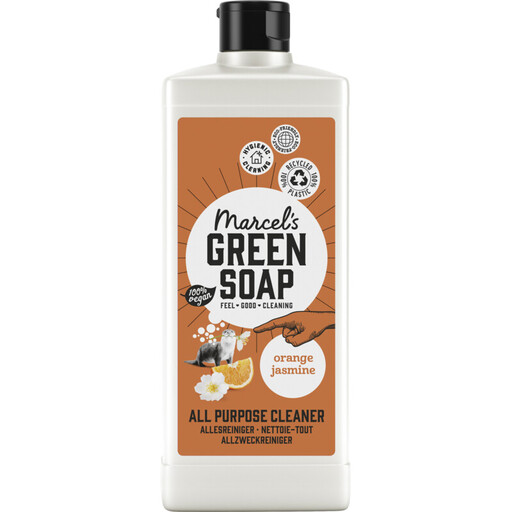
Why it suits this profile: A ready-to-use all-purpose cleaner for everyday cleaning tasks, with a 750 ml capacity and an orange and jasmine scent.
The product description lists specific features, including vegan, microplastic-free and at least 97% biodegradable. Check the label and the surface before use.
750 ml, vegan according to the product information, and packaging made from 100% recycled plastic according to the manufacturer.
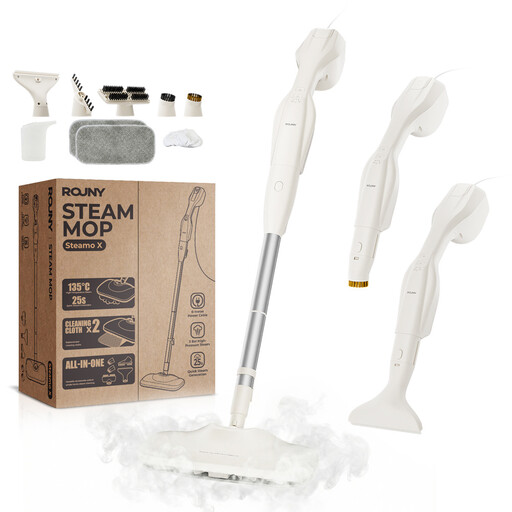
Why it suits this profile: Ideal if you want one appliance for floors, windows, kitchen surfaces and corners.
The specifications list two steam settings, five attachments and a 6-metre cord. This gives you a clearer idea of where it can be used than a general claim that it’s “for the whole home”.
Heat-up time of around 25 seconds, stated steam pressure of 2.5–3 bar, and a combination of upright and handheld designs.
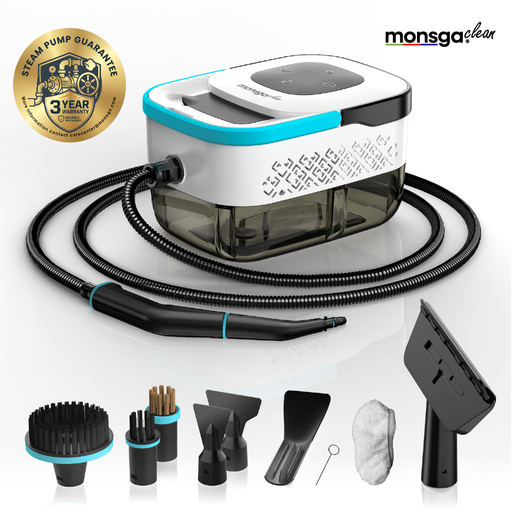
Why it suits this profile: Designed for bigger cleaning sessions in the kitchen, bathroom, car interior and on other hard surfaces.
The product information lists a 1.6-litre tank, six steam settings and a 10-piece accessory set. Also read the warnings about glass, untreated wood and heat-sensitive plastic.
Stated heat-up time of 15 seconds, 1,500 watts of power and six steam levels.
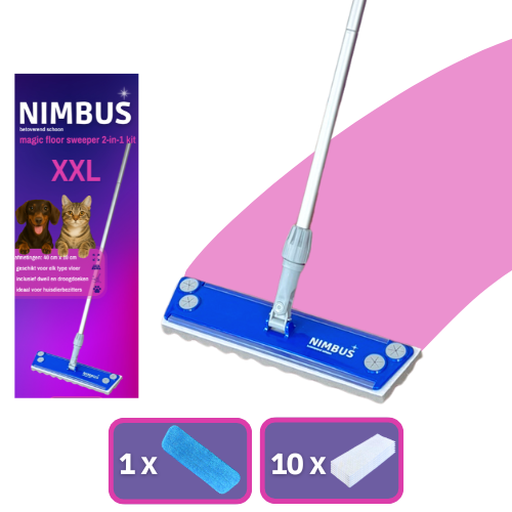
Why it suits this profile: Handy for households that want to remove dust, hair and loose dirt every day without reaching for a wet mop.
The set clearly distinguishes between dry cleaning with XXL cloths and damp cleaning with a pad. This helps prevent using the wrong type of cloth for the job.
XXL size of 42 × 14 cm, flexible and lightweight design, 10 dry cloths and one damp floor pad included.
We’ve put together a complete, up-to-date list of products that meet these strict selection criteria and the applicable European safety regulations.
Always use the recommended dosage. Using too much all-purpose cleaner can leave a sticky film or streaks. With degreasers and scouring cleaners, it’s a good idea to try the product on a small, inconspicuous area first.
For a more environmentally conscious choice, look for biodegradable cleaner, recycled packaging, a certification mark and the option to use less product per cleaning session. For example, Vintastic Cleaning Vinegar lists 7% natural vinegar, a one-litre capacity, an EU Ecolabel and a bottle made from recycled HDPE. The label is still the best guide to using it correctly.
A practical starter kit includes an all-purpose cleaner, a suitable floor cleaner, microfibre cloths, cleaning sponges and, if needed, a degreaser for the kitchen. Add cleaning vinegar or a scouring cleaner only if you have a specific use for it.
Check the expiry or usage information on the packaging. Store bottles upright, tightly closed and out of children’s reach. The lifespan of cloths, pads and sponges depends on how often they’re used, the material and whether they’re washed or replaced as instructed.
By design, a steam cleaner mainly uses water, so you may need fewer liquid cleaning products. The actual cost depends on electricity use, how often you clean, maintenance and any replacement pads or parts. Always check that the surface you’re cleaning is suitable for steam.
