
Vandaag of morgen in huis

Kwaliteit gegarandeerd

Welkomstaanbiedingen ontgrendelen: GRATIS bezorging | Tot 80% korting | Gratis 30 dagen JoyPlus-proefperiode
Download de app
A packed cleaning cupboard doesn’t automatically mean you have the right things at home. Many households buy an appliance with impressive specifications, only to barely use it afterwards. A cheap scouring sponge can also cause scratches, while a powerful steam cleaner isn’t suitable for every floor.
This guide helps you compare cleaning products based on how you’ll use them, the maintenance they need and verifiable product specifications. That way, you can make a more informed choice for your home, car, office or pet-owning household.
A high figure in pascals or watts doesn’t tell you everything about everyday use. With a vacuum cleaner or handheld vacuum, the filter design, dust container size, battery life and included attachments also matter. A compact car vacuum with strong suction can be handy for crumbs, sand and pet hair, but it’s not always designed for large areas.
A steam mop can help tackle stubborn dirt on suitable hard floors, but steam and moisture aren’t automatically suitable for untreated wood, certain laminate flooring, textiles or electrical components. Always check the instructions and the recommendations for the surface.
Filters, brushes, mop covers and cleaning solution all affect the cost of using an appliance. A floor cleaner or spot cleaner needs to be emptied and cleaned after use. If that’s a hassle, you’re less likely to use it regularly. Look for washable filters, an easy-to-empty tank and replaceable accessories.
For a cordless handheld vacuum or stick vacuum, battery capacity is only one factor. Check the stated run time for each setting and the charging time too. For example, the EAFC Brushless Vacuum Cleaner lists a 6000mAh battery, a USB-C connection and a charging time of around two hours, according to the product information. It also has three speeds and various attachments.
A HEPA filter can remove dust particles from the airflow, but how well it works in practice depends on proper maintenance and regular cleaning. Check whether the filter is washable and whether it needs to be completely dry before you put it back. Don’t use a vacuum cleaner for hot ash, burning materials, sharp objects or flammable liquids.
For a floor cleaner or spot cleaner, the capacity and layout of the water tanks are important. Separate tanks for clean and dirty water mean you won’t keep cleaning with the same water. According to its specifications, the Rowenta Clean It Compact IN3010 has a 1.5-litre clean water tank and a 0.85-litre dirty water tank. It comes with brushes, a crevice tool and a self-cleaning accessory, among other items.
For carpets, sofas and car seats, a spot cleaner with a suitable nozzle is more practical than a standard floor cleaner. Always test cleaning solution on an inconspicuous area first and follow the textile manufacturer’s instructions.
A microfibre cloth is generally suitable for dust, glass, screens and smooth surfaces, but grains of sand can still cause scratches. Use separate cloths for the kitchen, bathroom, car and delicate surfaces. According to the product information, the microfibre cloth mentioned measures 30 × 30 cm, has a density of 260 g/m² and can be washed at up to 60 °C. If the product instructions say so, wash these cloths without fabric conditioner.
A scouring sponge or steel brush works differently from a soft cloth. Stainless steel scourers are designed for stubborn residue on suitable materials, but can damage coatings, glass, plastic and some hob surfaces. Check the material first and apply only light pressure.
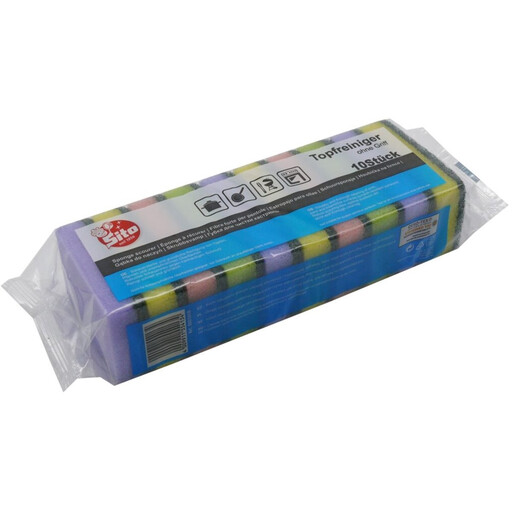
Why it suits this profile: A straightforward pack of 10 scouring sponges is ideal for everyday cleaning tasks without having to buy an appliance.
The pack has a clearly stated quantity and no confusing appliance features. Don’t use the sponge on delicate or scratch-prone surfaces.
10 sponges per pack; approximately 9 × 6 × 3 cm in size, according to the product information.
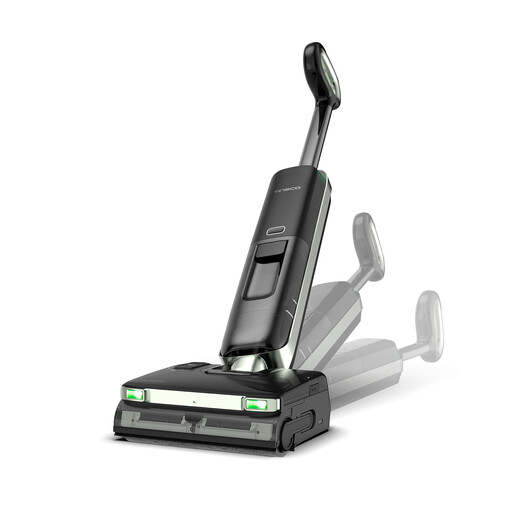
Why it suits this profile: A good choice for households looking to vacuum and wash hard floors with one appliance.
The product specifications state a height of 9.9 cm, 23 kPa and a FlashDry function. Check beforehand that your floor is suitable for wet cleaning.
Suitable for dry and wet cleaning; features a DustReveal light, according to the product name.
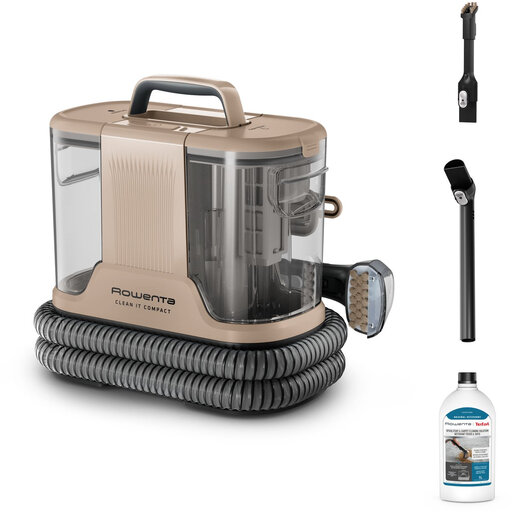
Why it suits this profile: A practical choice for families, pet owners and motorists who regularly need to remove stains from textiles.
The two water tanks help keep clean and dirty water separate. The included self-cleaning accessory makes maintenance more straightforward.
400 W power; 4-metre cable; 1.5 litres of clean water and 0.85 litres of dirty water, according to the product specifications.
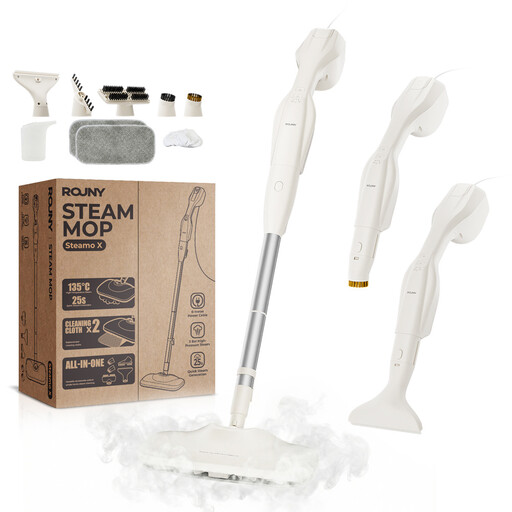
Why it suits this profile: Handy if you want one appliance to tackle floors, windows, kitchen surfaces and corners.
The two steam settings give you options for different levels of dirt. Use steam only on materials that the instructions say are suitable.
1200 W; heats up in around 25 seconds; 6-metre cable and five included attachments, according to the product information.
We’ve put together a comprehensive, up-to-date list of products that meet these strict selection criteria and the applicable European safety regulations.
Start with a microfibre cloth, a suitable sponge, a soft brush, a floor cleaner or vacuum cleaner, and a product for treating stains. Only add more cleaning appliances when you have a recurring problem, such as pet hair, carpet stains or car stains.
No. Check the flooring material and the instructions. Untreated wood, wax finishes and some laminate floors can be sensitive to heat and moisture. Use the lowest suitable setting and, if in doubt, test on an inconspicuous area.
As well as the purchase price, you may need to pay for electricity, filters, brushes, mop covers and cleaning products. An appliance with washable filters, an easy-to-access dirty water tank and reusable cloths can help reduce ongoing costs. So consider the total cost over the period you’ll use it, not just the price at the time of purchase.
