
Vandaag of morgen in huis

Kwaliteit gegarandeerd

Welkomstaanbiedingen ontgrendelen: GRATIS bezorging | Tot 80% korting | Gratis 30 dagen JoyPlus-proefperiode
Download de app
A cupboard full of cleaning products doesn’t automatically mean every surface is well maintained. Many households buy on the basis of a fresh scent, eye-catching packaging or a promise like “powerful action”. Reality is often different. An all-purpose cleaner isn’t always suitable for limescale, a toilet cleaner can be incompatible with certain materials, and a cheap spray can work out expensive if you need a lot of it.
With this guide, you can compare cleaning products by use, volume, safety information and practical features. That way, you can choose more precisely for the kitchen, bathroom, toilet, glass, floors and laundry.
An all-purpose cleaner is handy for everyday dirt on hard, wipeable surfaces. Grease, limescale and glass, however, need a different approach. A degreaser targets kitchen extractor hoods, hobs and grills, while a glass cleaner is designed to reduce streaks on windows and mirrors.
Always check the intended use on the label. Natural stone, wood, lacquered surfaces and delicate coatings can be sensitive to acids, alcohol or strong alkaline ingredients.
Lemon, floral and fresh cotton are scents, not a measurable indication of cleaning power. A lemon cleaner may smell pleasant, but also look at the stated use, dosage and ingredients. According to Ajax’s product description, for example, the Fête des Fleurs variant contains ingredients of natural origin and a bottle made from recycled plastic. That says something about the product specifications, but not automatically about cleaning performance on every surface.
Bleach, limescale remover, toilet cleaner and some bathroom products can be irritating or harmful. Do not mix bleach with cleaning vinegar, an acidic limescale remover or other cleaners. This can release dangerous fumes. Follow the dosage on the packaging, ventilate the room and keep products out of reach of children.
Choose the room and type of dirt first:
Watch out for terms like “all hard and wipeable surfaces”. This is a usage description, not a guarantee the product is suitable for every material in your home.
Compare not just the price per bottle, but also the volume and number of uses. A 750 ml spray is ready to use and easy to dose. A 1 litre bottle may be more attractive for regular mopping, provided the recommended amount isn’t high. With laundry detergent pods, the number of washes is a more important comparison point than simply the number of capsules.
With concentrates, a dosing cap helps prevent waste. Too much product can also leave a sticky film on floors or furniture.
Check the ingredients list and hazard statements. Products containing bleach, acids, fragrances or solvents need extra attention. A toilet block with bleach can provide maintenance with every flush, but must be placed safely and according to the instructions.
Packaging claims also deserve a level-headed assessment. According to some brands’ product information, a formula may contain biodegradable components or recycled plastic. Look at the exact percentages, certifications and conditions on the packaging instead of relying solely on general environmental terms.
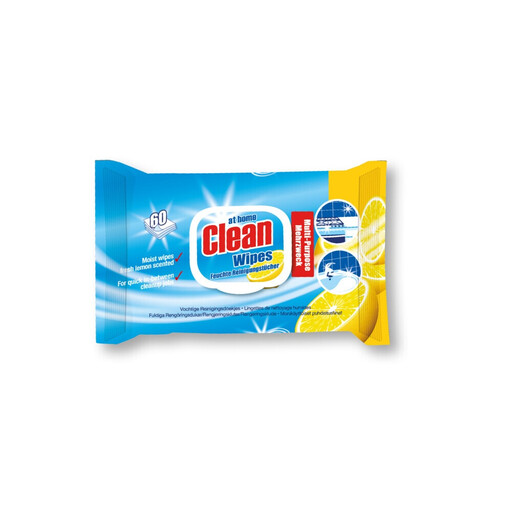
Why it suits this profile: These cleaning wipes are ready to use and handy for small clean-ups in the kitchen, bathroom or living room.
The pack size of 55 wipes and its use as a multi-purpose cleaning wipe are clearly stated. According to the product description, the product contains no bleach.
55 pieces, ready to use and lemon-scented; suitable for dirt, grease and soap scum according to the product information.
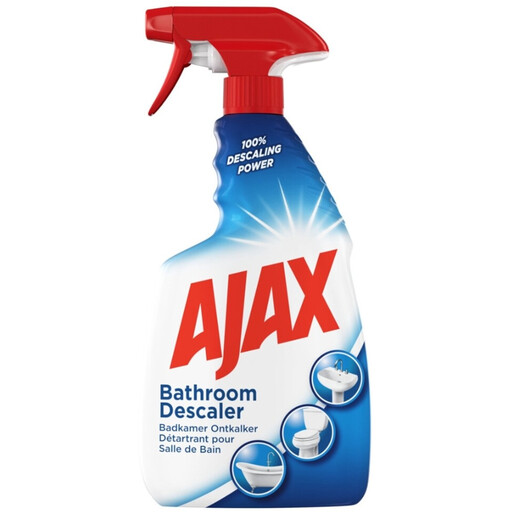
Why it suits this profile: For households that regularly look after shower screens, taps and other bathroom surfaces and want a specific bathroom cleaner.
The intended use is clearly limited to the bathroom. The packaging lists warnings for swallowing and eye contact; protective measures are part of correct use.
750 ml spray, designed for limescale and soap scum; according to the product information, rinse after use.
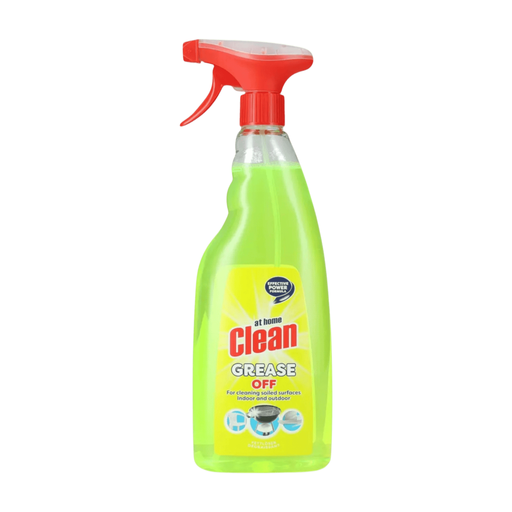
Why it suits this profile: A practical choice for kitchens, hobs, extractor hoods, ovens, grills and metal surfaces with stubborn grease.
It isn’t a general-purpose spray to use everywhere without checking: the product description names specific greasy surfaces and advises wiping with a clean cloth or sponge.
750 ml, spray format and suitable for indoor and outdoor use according to the product information.
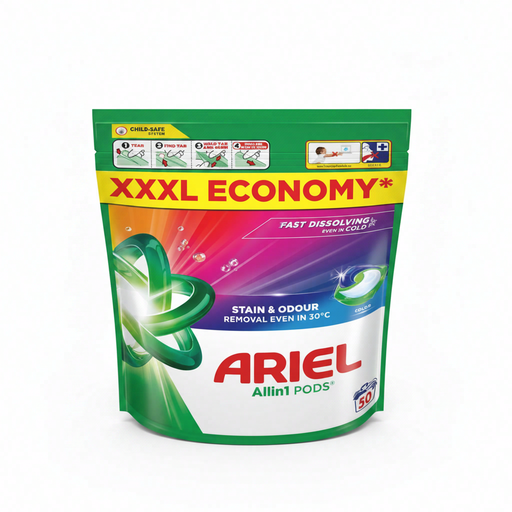
Why it suits this profile: For households that do frequent laundry and want fixed dosing without a measuring cup.
The pack size states 50 washes. Use one pod according to the product instructions, do not cut open the capsule and store it closed and out of reach of children.
50 capsules, designed for coloured laundry and, according to the product information, effective from 30 °C.
We’ve compiled a complete, up-to-date list of products that fully meet these strict selection criteria and comply with current European safety regulations.
Start with a dry or slightly damp cleaning cloth to remove loose dust. Then apply only the amount of cleaner you need. With grease, allowing it to work briefly often beats immediately spraying more. Rinse food-contact surfaces afterwards when the packaging instructs you to.
For your washing machine, you can use a dedicated washing machine cleaner according to the brand’s maintenance schedule. Dettol Washing Machine Cleaner, for example, states a 250 ml bottle and use in an empty machine at 60 °C. Always check your appliance’s manual first.
For an average household, an all-purpose cleaner, bathroom cleaner or limescale remover, toilet cleaner, glass cleaner, degreaser and a laundry product are often sufficient. Bleach or a toilet block is an additional choice for specific applications. It’s better to choose a few products that suit your surfaces than many with the same function.
No. Never mix cleaning vinegar, limescale remover or other acidic products with bleach. Read the safety instructions, use one product at a time and, if needed, rinse the surface thoroughly before using another product.
The shelf life and any period after opening are stated on the packaging. Store bottles in a cool, dry place and keep them tightly closed. Products with bleach, solvents or strong acids can lose their effectiveness when stored incorrectly. Before use, check the smell, colour, packaging and label information.
