
Vandaag of morgen in huis

Kwaliteit gegarandeerd

Welkomstaanbiedingen ontgrendelen: GRATIS bezorging | Tot 80% korting | Gratis 30 dagen JoyPlus-proefperiode
Download de app
A full cleaning cupboard doesn’t automatically mean you’re well prepared. Many households buy several products that do the same job, when a suitable cloth, a sturdy washing-up brush or a targeted kitchen cleaner is often all you need. Choosing the right essentials saves space, money and time.
Look out for these three common pitfalls:
A practical starter kit includes a few different types of cleaning tools. Reusable cleaning cloths and microfibre cloths are useful for everyday jobs. For crockery, pans and cookware, choose a washing-up brush or dish brush. Grease on worktops and cupboard doors calls for a suitable kitchen cleaner, while windows and mirrors benefit from dedicated glass cleaning cloths.
Use this list to put together a complete set:
You can also browse the full range of kitchen cleaning tools if you’d like to compare several options.
Microfibre is usually made from polyester and polyamide. According to 5five’s product description, these fibres are designed to pick up dust when dry and remove dirt and grease when damp. Always check the care instructions: the 5five set is listed as machine-washable at 40 °C, without fabric softener or bleach. Another microfibre cloth is listed as washable at up to 60 °C.
For glass, screens and stainless steel, a soft, low-lint cloth is a better choice than a harsh sponge. Only use scouring sponges on surfaces that the manufacturer says are suitable. If in doubt, test on an inconspicuous area first.
The size of a cloth affects how easy it is to use. A 30 × 30 cm cloth is compact for everyday tasks and fits easily in a small kitchen. A larger cloth of around 35 × 35 cm absorbs more moisture and is handy for tables, worktops and damp cleaning.
Check how many items are in the pack, too. A set of 10 dishcloths is useful if you use colour coding, for example, one colour for the kitchen and another for the bathroom. A set of three microfibre cloths is a practical choice if you want to assign different colours to different surfaces.
When choosing a washing-up brush, consider the handle length, the firmness of the bristles and whether the brush can drain properly. According to its product description, the YORK washing-up brush has an ergonomic handle, nylon bristles and a design that is said not to absorb water easily. This information comes from the product description; actual lifespan depends on use and care.
A long, slim cleaning brush is more practical than a wide brush for grouting, narrow gaps and edges. Rinse brushes after use, remove any food scraps and leave them to drain upright or in a dry place.
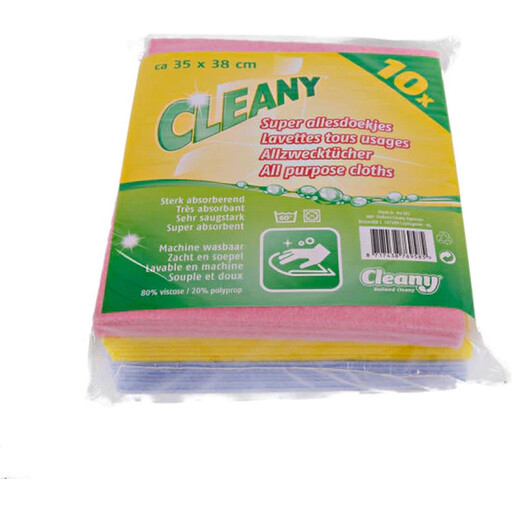
Why it suits this profile: A set of 10 cloths gives beginners a practical supply for washing-up and damp cleaning, without needing to buy several types of product straight away.
The product information lists the size, weight, quantity and whether the cloths are machine-washable. That means you can check what’s included and how to care for them before buying.
Pack of 10; size of 35 × 38 cm according to the product specifications; suitable for washing-up and damp cleaning.

Why it suits this profile: This cloth is designed for smooth, delicate surfaces such as glass, screens and stainless steel.
The density of 260 g/m², the size and the care instructions are all clearly stated. So you don’t have to rely on a vague claim about microfibre alone.
260 g/m²; washable at up to 60 °C according to the product information; suitable for dry and damp use.
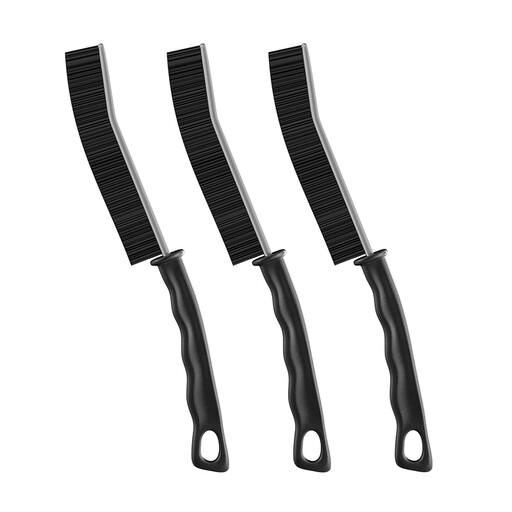
Why it suits this profile: Its long, slim shape is designed for gaps and crevices that are difficult to reach with an ordinary cloth or washing-up brush.
The product is specifically described as a gap cleaning brush. That gives it a clear purpose, rather than making you expect one tool to do everything.
Pack of 3; long handle; suitable for targeted cleaning of narrow gaps.
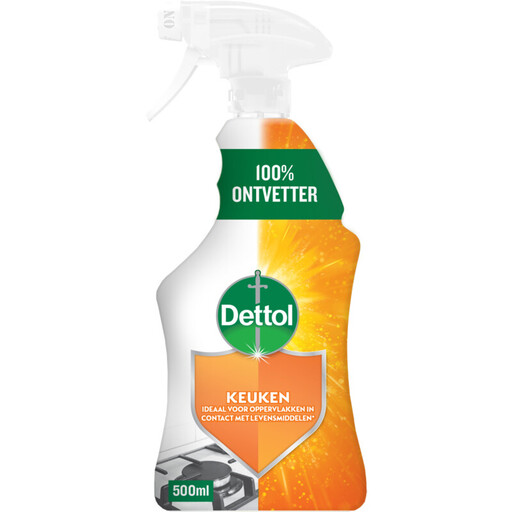
Why it suits this profile: A spray is handy for worktops, handles, fridge doors and taps when you regularly need to remove grease and dirt.
The packaging lists the volume, ingredients and warnings. Use it only as directed on the label, and avoid contact with eyes and skin.
500 ml; spray format; contains less than 5% anionic surfactants according to the label.
We’ve put together a complete, up-to-date list of products that meet these strict selection criteria and current European safety regulations.
Start with two or three reusable cleaning cloths, a washing-up brush, a sponge and one kitchen cleaner. Add glass cleaning cloths if you have lots of glass cupboard doors, windows or mirrors to clean. A gap cleaning brush is especially useful for taps, sealant edges and narrow gaps.
They can be, depending on the product and its recommended use. Product descriptions for several microfibre cloths list smooth surfaces such as glass. Use a clean, low-lint cloth and don’t apply too much cleaning product. Always check the care and usage instructions on the packaging before use.
There’s no set timeframe. Replace the brush when the bristles are bent, the handle is damaged or it no longer gets properly clean and dry after washing. Rinsing it regularly and storing it somewhere dry can help it last longer, but you should replace it as soon as you notice signs of wear.
