
Vandaag of morgen in huis

Kwaliteit gegarandeerd

Welkomstaanbiedingen ontgrendelen: GRATIS bezorging | Tot 80% korting | Gratis 30 dagen JoyPlus-proefperiode
Download de app
A cloth for the kitchen, bathroom, windows and floors seems like a simple purchase. Yet many cleaning cloths quickly end up in the bin because they shed lint, retain unpleasant smells or fail to absorb enough moisture. You may also end up paying for features you barely use in practice.
This buying guide explains what to look for in microfibre cloths, dishcloths, polishing cloths and reusable cleaning cloths. You can then choose a cleaning cloth set more confidently for everyday use, cleaning windows, mopping floors or tackling intensive cleaning jobs.
A pack of ten or twenty cloths may seem like good value, but the size and material determine how much use you will get from them. Small cloths are handy for mirrors and screens, while worktops and floors require more surface area. Always check the dimensions of each cloth, not just the number of pieces.
A microfibre cloth can be useful for dust, grease and light damp cleaning, but that does not mean it is also suitable as a floor cloth. Floor cloths are generally larger and easier to attach to a mop. A glass cloth, on the other hand, needs a soft, low-lint texture.
Ideally, use a cloth for each room or task. This helps prevent a cloth used for the floor from later being used on the worktop.
Reusable cleaning cloths lose their effectiveness more quickly when washed with fabric conditioner. Fabric conditioner can coat the fibres, reducing the cloth’s absorbency. Also pay attention to the temperature, bleaching instructions and drying method. The instructions on the packaging should always take priority over general advice.
Microfibre cloths are often made from polyester and polyamide. According to the product description, they are designed to trap dust, dirt and grease and can be used dry or slightly damp. This makes them suitable for furniture, kitchen surfaces, car interiors and smooth surfaces.
A viscose cloth is particularly practical for wet cleaning and everyday kitchen tasks. Traditional dishcloths are often affordable and are usually sold in larger sets. However, check whether the cloth is machine washable and how quickly it dries.
Claims such as “streak-free” or “extra absorbent” should be read as product information supplied by the brand or seller. According to the product descriptions provided by some suppliers, certain cloths may deliver these results; the outcome also depends on the surface, the amount of water and whether cleaning product is used.
For general cleaning, sizes of around 30 × 30 cm are easy to handle. They fit into a bucket, are simple to wring out and can be allocated to different rooms. A 30 × 40 cm cloth provides a little more working surface for larger tables or worktops.
For floors, larger floor cloths are more practical. Sizes such as 50 × 60 cm or 50 × 70 cm cover more area and can be used on a mop or by hand. With microfibre, density is also relevant. A product with a stated density of 260 g/m² contains more material per square metre than a very thin cloth. This does not tell you everything about its cleaning performance, but it is useful for comparison.
For wet spills, washing up and bathroom surfaces, absorbent cloths are useful. In addition to the material, check the care instructions. A cloth that can be washed repeatedly in the washing machine may be more practical in the long term than a cheap cloth that quickly loses its shape.
Wash cleaning cloths separately from clothing when they contain a lot of grease, hair or cleaning product. Allow them to dry completely after use and do not leave them scrunched up in a damp bucket. For windows and mirrors, remove coarse dust and dirt first to reduce the risk of scratches and streaks.
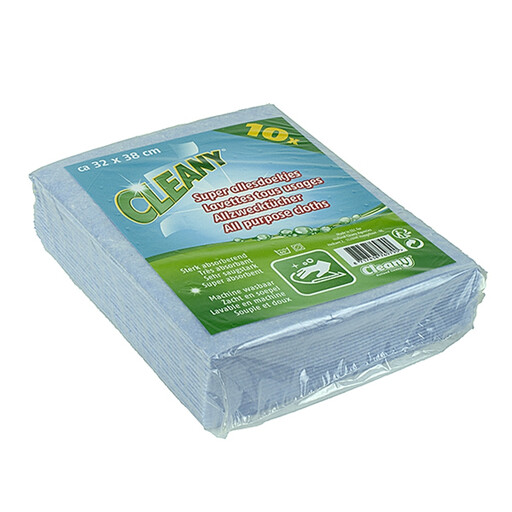
Why this suits the profile: A generous set for households that need different dishcloths for the kitchen, bathroom and everyday surfaces. The blue colour can help you distinguish cloths by room.
You can immediately see the number of pieces and the size of 32 × 38 cm. This means you can compare not only the pack contents, but also the usable cloth surface.
10 cloths per pack; size suitable for washing up and wet surfaces according to the product description.

Why this suits the profile: For anyone looking for a compact cloth with a specified density for glass, screens, stainless steel, kitchens, cars or offices.
The product information specifies the material, size and 260 g/m² density. It also provides clear washing instructions, including washing at up to 60 °C without fabric conditioner.
Microfibre with a stated density of 260 g/m²; machine washable at up to 60 °C according to the product details.
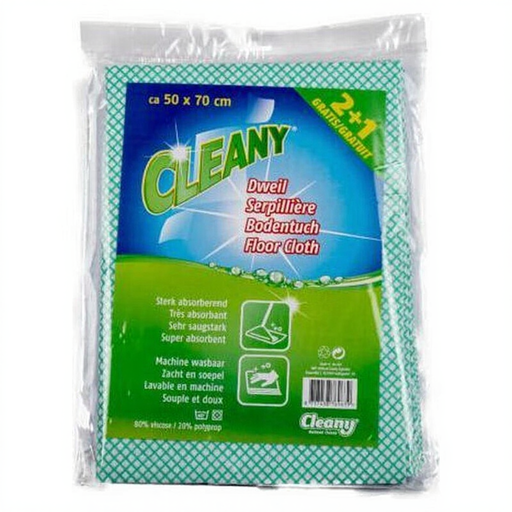
Why this suits the profile: A sensible choice for large floor areas, multi-room households and anyone who wants to keep several mop cloths to hand.
The large size means you do not have to keep rinsing a small cloth. The set contains three pieces and the product description states that they are machine washable.
Size 50 × 70 cm; set of 3; suitable for dry use according to the stated product specification.
We have compiled a complete, up-to-date list of products that fully meet these strict selection criteria and the applicable European safety regulations.
It depends on the task. A cloth used for dusting can be washed after several light cleaning sessions. Wash cloths used for raw food residue, grease, sanitary areas or floors after use. Always follow the care label and allow the cloth to dry first if you are not washing it straight away.
According to the product descriptions of various microfibre cloths, they are intended for glass, mirrors and screens. Remove sand and coarse dust first, use very little moisture and do not apply strong pressure. For electronic screens, also check the manufacturer’s instructions.
A larger set can reduce the price per cloth, but only if you actually use the cloths and can wash them properly. Therefore, compare the price per piece, size, material and care requirements. For a small household, a set of three or four cloths may be more practical than a pack of twenty.
