
Vandaag of morgen in huis

Kwaliteit gegarandeerd

Welkomstaanbiedingen ontgrendelen: GRATIS bezorging | Tot 80% korting | Gratis 30 dagen JoyPlus-proefperiode
Download de app
A clean home starts with the right tools. But with an overwhelming array of cleaning cloths available, it can be difficult to determine which ones you truly need. One cloth might leave streaks on your windows, while another seems to just move dust around. The purpose of this article is to provide clarity. As a Joybuy Product Recommendation Officer, I'll provide you with practical information to help you choose a cloth that actually gets the job done—without the marketing jargon.
Before we dive into product recommendations, here are a few key points to help you make an informed choice.
Not all cloths are created equal. The material directly impacts cleaning performance.
Your choice will depend on the task and your personal preference.
Use specialized cloths for the best results. A general-purpose cleaning cloth is fine for the countertop, but you'll need something different for your car windows or a wooden floor. By choosing purposefully, you'll work more efficiently and avoid the frustration of streaks or leftover dirt.
Based on product specifications and applications, we have selected some popular choices for various cleaning tasks.
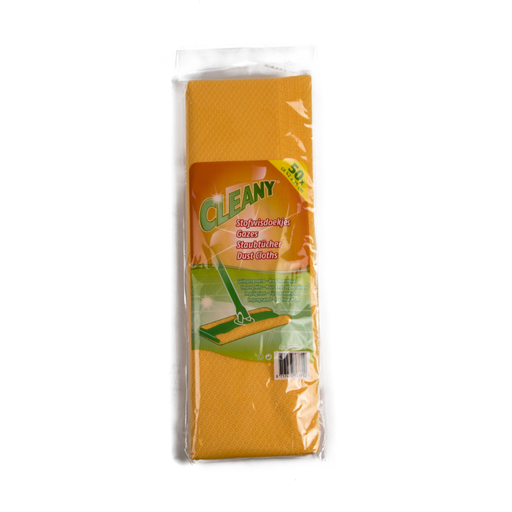
Why it stands out These dusting cloths are pre-treated with a mild adhesive. According to the manufacturer, this, combined with their electrostatic properties, ensures that dust, hair, and fine particles are effectively attracted and trapped. They don't just push dirt around—they capture it.
Benefits
Who is this for? Ideal for households with pets or individuals with dust allergies. It's also a practical solution for anyone who wants to clean hard floors quickly and hygienically without the hassle of buckets and water.

Why it stands out This glass cloth from Dunlop is specifically designed for a streak-free and grease-free clean on glass and car windows. The special structure of the 100% viscose material is the key to a crystal-clear result.
Benefits
Who is this for? A great solution for car owners who value clean, safe windows. It's also excellent for household use, perfect for anyone who struggles with streaks on mirrors, glass doors, or windows.

Why it stands out This set of ten reusable cleaning cloths offers a versatile solution for the entire home. The different colors make it easy to clean hygienically by assigning cloths to specific rooms or tasks.
Benefits
Who is this for? Perfect for anyone looking for an affordable and multifunctional set of cleaning cloths for general cleaning around the house. A basic kit that no household should be without.
These recommendations cover some of the most common cleaning needs. However, if you're looking for a cloth for a very specific application, such as polishing silver or cleaning delicate electronics, we have you covered.
Check out our full range of cloths for more specialized options.
1. What is the difference between a microfiber cloth and a regular cloth? A microfiber cloth has split fibers that create a much larger surface area than the round fibers of a traditional cotton cloth. This allows it to mechanically 'scrape' and trap dirt, dust, and bacteria. A regular cloth often just pushes dirt around and is less effective at absorbing it.
2. How do you wash microfiber cloths correctly? To maintain the effectiveness of microfiber cloths, it's best to wash them at 40 to 60 degrees Celsius (104 to 140 degrees Fahrenheit). Do not use fabric softener, as it clogs the fibers and reduces their absorbent and cleaning power. Preferably, wash them with similar, non-linting materials and let them air dry.
3. Can I clean all surfaces with a microfiber cloth? Microfiber is very versatile and safe for most surfaces, including wood, glass, stainless steel, and plastic. However, be cautious on very delicate, high-gloss surfaces. If a coarse particle of dirt gets trapped in the cloth, it could cause scratches. Always use a clean cloth for vulnerable surfaces.
