
Vandaag of morgen in huis

Kwaliteit gegarandeerd

Welkomstaanbiedingen ontgrendelen: GRATIS bezorging | Tot 80% korting | Gratis 30 dagen JoyPlus-proefperiode
Download de app
A cloth may seem like a simple household product, but choosing the wrong one can quickly become frustrating. A tea towel that barely absorbs water, a microfibre cloth that leaves lint behind or a towel that feels rough after just a few washes are all common purchases people regret.
When choosing cleaning cloths and towels, the key considerations are material, size, absorbency and intended use. A cloth for cleaning glass needs different properties from one used to wipe up spilled coffee. For personal hygiene, softness, packaging and disposability are more important than a large size.
A large pack may seem like good value, but check the size and material too. Ten small cloths do not always offer the same practical value as five larger kitchen cloths. Compare the price per item as well as the surface area of each cloth.
An absorbent cleaning cloth is useful for dealing with moisture, but may be less suitable for glass or shiny surfaces. Some fabrics absorb plenty of water, while others are designed to remove grease, dust or fingerprints without leaving lint behind.
Reusable cleaning cloths are only practical if they can be washed and dried properly. Check the care instructions. Bleach, high temperatures, fabric conditioner and tumble drying can affect the structure of microfibre or viscose. If in doubt, follow the instructions on the label.
Bear in mind that terms such as “soft”, “hygienic” or “extra absorbent” do not automatically indicate a fixed quality standard. Look at the specific details instead: fibre composition, dimensions, number of items and washing instructions.
A 30 × 30 cm cloth is easy to hold for kitchen and bathroom tasks. Larger cotton towels, such as 50 × 70 cm, are useful for drying and everyday use. For facial care, smaller or medium-sized sheets may be more convenient, as they can be thrown away after each use.
A textured or honeycomb structure can improve grip, but performance varies from one product to another. According to the brand’s product information, a particular texture may help pick up dirt or moisture; treat this as a product feature rather than a guarantee for every surface.
For a household with daily cleaning tasks, reusable cleaning cloths are usually practical. Wash used cloths separately from clothing and allow them to dry completely before storing them. Disposable cloths and wash mitts are particularly useful when travelling or whenever changing them quickly is preferable. Dispose of used items in the appropriate waste and do not flush them down the toilet unless the packaging explicitly states otherwise.
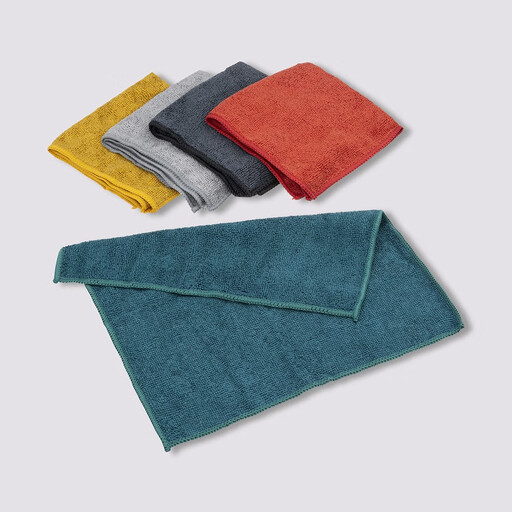
Why it suits this user profile: A handy set of five microfibre cloths for everyday tasks in the kitchen, bathroom or garage.
The size and number of items are clearly stated, making it easy to compare the price and stock levels.
Polyester and polyamide; 30 × 30 cm; pack of 5; care instructions available.
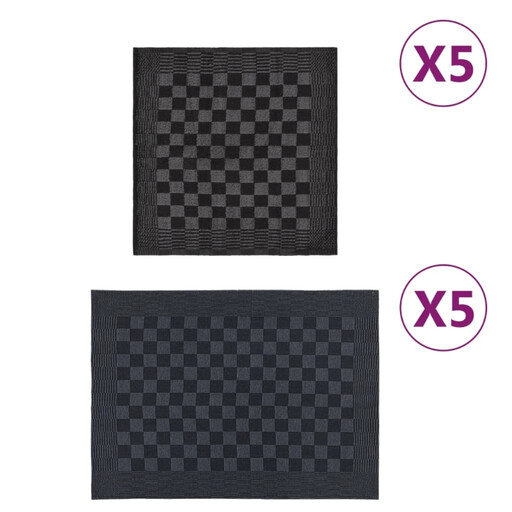
Why it suits this user profile: Ideal for households wanting different sizes for drying, cleaning and use in the kitchen or bathroom.
The set includes both tea towels and hand towels, so you do not have to use one size for every task.
100% cotton; 5 tea towels measuring 50 × 70 cm and 5 hand towels measuring 50 × 50 cm; machine-washable.
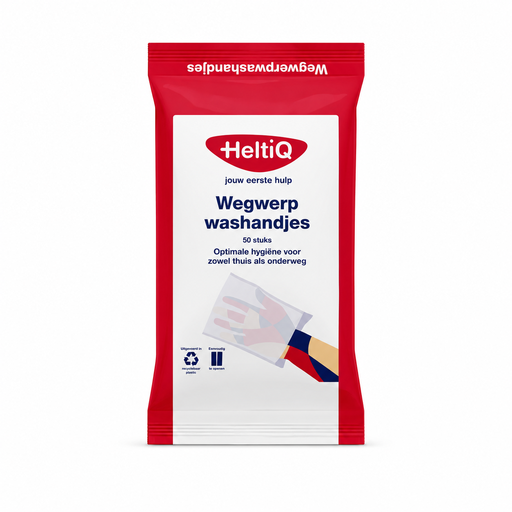
Why it suits this user profile: Handy for travelling, camping, exercising or situations where a disposable wash mitt is more practical than washing.
These are dry, non-impregnated wash mitts. You decide whether to use water, avoiding unclear additives.
Non-woven material; 50 items; suitable for external use; do not flush after use.
For everyday use, you can choose from cotton face cloths, viscose face cloths and disposable options. Purcotton states that its product is made from 100% cotton, with 20 × 20 cm sheets suitable for dry and wet cleansing. According to Purcotton’s own product information, the cloths are free from perfume, alcohol, optical brighteners and fabric conditioner. If you have sensitive skin, always check the ingredients and stop using the product if irritation occurs.
YIJINCHAN lists 60 sheets measuring 30 × 25 cm per box. The brand describes a pearl texture and plant-based viscose. According to the product information, ochama offers 200 sheets measuring 18 × 20 cm, with a weight of 65 g/m² and a hanging hook. These products are intended for single use; dispose of them with household waste, not down the toilet.
We have put together a complete, up-to-date list of products that fully meet these strict selection criteria and the applicable European safety regulations.
It depends on how it is used, the material and how quickly it dries. With daily use, regular washing is advisable. Replace the cloth when it continues to smell, becomes damaged or no longer lifts visible dirt effectively.
Not always. They are practical for smooth surfaces, dust and glass, but check the care instructions for delicate materials. Do not use a dirty cloth on a surface that scratches easily, and wash microfibre separately from lint-producing fabrics.
Reusable cloths can work out cheaper per use because you can wash and use them again. Disposable wash mitts, on the other hand, save time and are convenient when travelling or when washing and drying are not immediately possible. Compare the price per item with how you actually intend to use them.
