
Vandaag of morgen in huis

Kwaliteit gegarandeerd

Welkomstaanbiedingen ontgrendelen: GRATIS bezorging | Tot 80% korting | Gratis 30 dagen JoyPlus-proefperiode
Download de app
The right cleaning cloths make everyday cleaning easier, but choosing the wrong ones can soon cost you money. A cloth that seems absorbent in the packet may shed lint, leave streaks or lose its shape after a few washes. Some cleaning products are also presented as multi-purpose, even though in practice they’re only suitable for one type of surface.
Look out for these three common pitfalls:
Using one cloth for every surface
A kitchen cloth isn’t automatically suitable for glass, painted furniture or car paintwork. Grease, grit and cleaning-product residue can scratch delicate surfaces.
Looking only at the number of cloths in a pack
A large pack of dishcloths or microfibre cloths may seem like good value, but check the size, material and washing instructions too. A cheap cloth that frays quickly will need replacing more often.
Confusing absorbency with streak-free cleaning
A thick cloth may soak up plenty of moisture, but it won’t always leave a smooth finish. For windows, mirrors and smooth tiles, a fine texture and low-lint finish matter more than thickness alone.
Microfibre cloths are practical for removing dust, dirt and moisture from many hard surfaces. Their fine fibres make them suitable for furniture, kitchen worktops and sealed floors. Ideally, use a different colour for each area. This helps prevent a cloth used for the toilet ending up on the kitchen worktop.
Viscose cloths and traditional kitchen cloths are handy for everyday wiping in the kitchen and bathroom. Check whether the packaging says the cloths are washable and follow the instructions for the first wash. Some products need rinsing in warm water before first use.
For windows, mirrors and cars, specialist glass cloths or a cloth for windows and cars make more sense than a coarsely woven dishcloth. A product description may promise a streak-free or low-lint finish; treat this as information from the brand and set your expectations according to the surface and cleaning product you use.
A 30 × 30 cm cloth is easy to hold when cleaning furniture, worktops and smaller areas. For larger surfaces, sizes such as 40 × 60 cm are more efficient. For mop cloths and mop covers, both the material and the fit need to be right.
For example, a reusable microfibre mop for hard floors measures 11 × 40.5 cm. Always check that it fits your floor mop. Compatibility can be even more specific with a PVA mop: a 33 cm refill is only intended for the specified ochama PB model.
Reusable cleaning cloths and washable cleaning cloths are handy if you want to use fewer disposable products. Check:
Rinse used cloths thoroughly and leave them to dry completely. Don’t leave damp cloths piled on top of one another for long periods, as this can encourage odours and mould. Don’t use a scouring pad or scrubbing sponge on painted, coated or delicate surfaces without first testing it on an inconspicuous area.
Cleaning sponges and scouring pads are useful for stubborn dirt. Use the soft side on delicate surfaces and the abrasive side only where the manufacturer says it’s suitable. Removing grains of sand and dried-on particles first helps prevent unnecessary scratches.
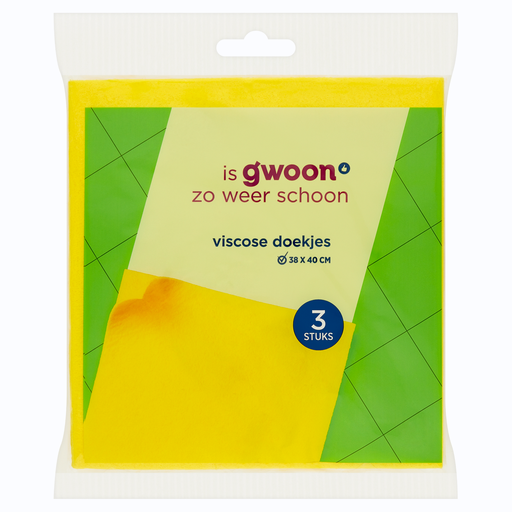
Why it suits this shopper: A set of three cloths is a straightforward starting point for the kitchen, bathroom and everyday wiping.
The small set makes it easy to assign cloths by colour or task. The product information says to rinse the cloths in warm water before first use.
Pack of three; suitable for the kitchen and bathroom; store dry, as advised in the product information.
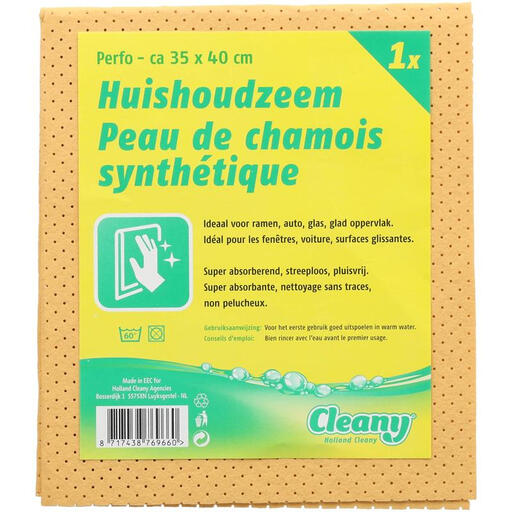
Why it suits this shopper: Its size makes it suitable for windows, cars, glass and other smooth surfaces.
It has a clearly defined use. Don’t use the cloth on surfaces with coarse grit or dried-on dirt until you’ve removed it first.
35 × 40 cm; designed for windows, cars, glass and smooth surfaces; the product description says it is absorbent and low-lint.
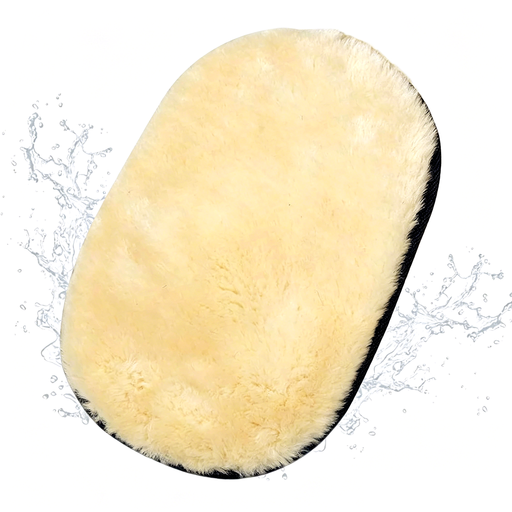
Why it suits this shopper: This car wash mitt is designed for car owners who want one accessory for wet cleaning of paintwork, glass and alloy wheels.
The instructions warn against rubbing delicate surfaces when dry. Rinse away sand and dirt promptly to help prevent scratches.
23 × 15,5 × 2 cm; polyester and nylon; washable; designed for wet and dry use, according to the product description.
We’ve put together a complete, up-to-date list of products that meet these strict selection criteria and the applicable European safety regulations.
When cleaning windows, work from top to bottom and remove dust or grit first. Use a clean, dry or slightly damp cloth on glass. For your car, wet the cloth thoroughly with water and a suitable cleaning product before wiping the paintwork or glass. Rinse the cloth after use and leave it to air-dry.
For floors, mop cloths, washable mop covers and dusting cloths aren’t always interchangeable. A dry electrostatic cloth is mainly for dust and hair, while a damp mop cloth is suitable for wiping hard floors. When buying mop accessories, check the brand and model of your floor mop or robot vacuum too.
It depends on how you use them. Ideally, wash cloths used in the kitchen, bathroom and toilet after every thorough clean. Dusting cloths can be used for longer if they’re only picking up dry dust. Rinse cloths straight away if they’ve been used with grease, grit or cleaning products.
Choose a glass cloth or one specifically designed for glass and smooth surfaces. A size of around 35 × 40 cm is easy to handle. Remove any coarse dirt first and use a clean cloth to help reduce streaks and loose fibres.
Reusable cloths can be a good option if you use them regularly, as you can wash and reuse them. The overall cost depends on the purchase price, lifespan, number of washes and energy use. So don’t compare the price per cloth alone; consider how many times you can use it and the care instructions too.
