
Vandaag of morgen in huis

Kwaliteit gegarandeerd

Welkomstaanbiedingen ontgrendelen: GRATIS bezorging | Tot 80% korting | Gratis 30 dagen JoyPlus-proefperiode
Download de app
A fully stocked cleaning cupboard does not automatically mean you have the right tool for every task. A dishcloth that absorbs grease is not always suitable for glass. A scouring sponge that removes baked-on residue can damage a delicate hob or a painted pan. And a cheap sponge that dries poorly may soon start to smell unpleasant.
When it comes to cleaning cloths and sponges, three common pitfalls stand out:
Microfibre cloths are usually made from polyester and polyamide. When dry, they can pick up dust; when damp, they are useful for worktops, furniture, glass and stainless steel. Follow the washing instructions carefully. Some microfibre cloths can be washed at 40 °C or 60 °C, for example, but fabric softener and bleach can affect their properties.
For windows and mirrors, glass cloths or a smooth chamois-style cloth are more practical. According to the product description, the Cleany perforated chamois cloth measuring 35 × 40 cm is intended for windows, cars, glass and other smooth surfaces. Remove sand and coarse dirt first to help prevent scratches.
For everyday washing-up, dishcloths, viscose sponges and soft washing-up sponges are sensible choices. Check that the sponge can drain and dry properly after use. A sponge with a dense structure retains more water than an open, perforated version.
The right size depends on the job. A 30 × 30 cm cloth is easy to handle on a desk, in a car interior or on a worktop. Larger cleaning cloths, such as 40 × 60 cm versions, are useful in the kitchen or as hand towels, but they also take up more room in the laundry basket.
Also compare the price per item. A set of 10 microfibre cloths may be useful for several rooms, while a pack of 3 cloths may be a better fit for a smaller household. Look at the weight or density when this is stated. A 260 g/m² microfibre cloth has a different construction from a very thin 0.1 cm cloth.
Scouring sponges often have a soft sponge side and a rough side. Only use the rough side on surfaces that the manufacturer confirms are suitable. If in doubt, test it on an inconspicuous area first. Stainless-steel scourers may be suitable for burnt pans, oven racks and barbecue grills, but they are not intended for delicate coatings.
For replacement mop pads, the model number is crucial. A pad that does not fit properly may come loose while mopping or clean the floor less evenly. Always check the stated compatibility and use the pad only on the listed floor types.
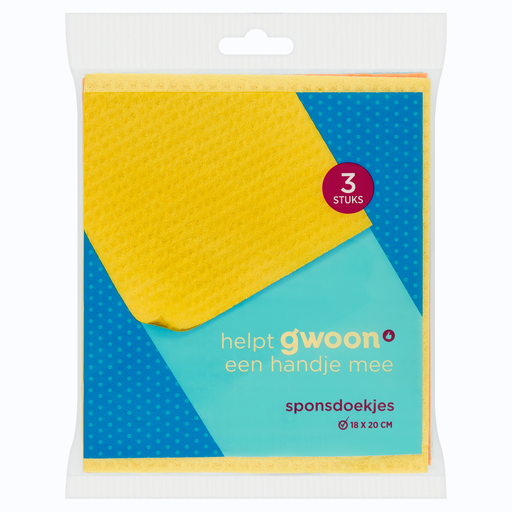
Why it suits this profile: This set of three is a straightforward choice for everyday use in the kitchen or bathroom. Rinse the cloths with warm water before using them for the first time.
It is a simple set without an aggressive abrasive layer, so you are unlikely to mistake it for a hard scouring sponge.
Set of 3; suitable for wet cleaning; store according to the label and keep dry.

Why it suits this profile: The 30 × 30 cm, 260 g/m² cloth is suitable for homes, cars and offices. Use it dry for dusting or damp for more thorough cleaning.
The material density and washing instructions are clearly stated. This lets you compare the cloth more accurately than by relying on the term microfibre alone.
Machine-washable up to 60 °C; suitable for glass, screens and stainless steel according to the product information; do not use fabric softener.
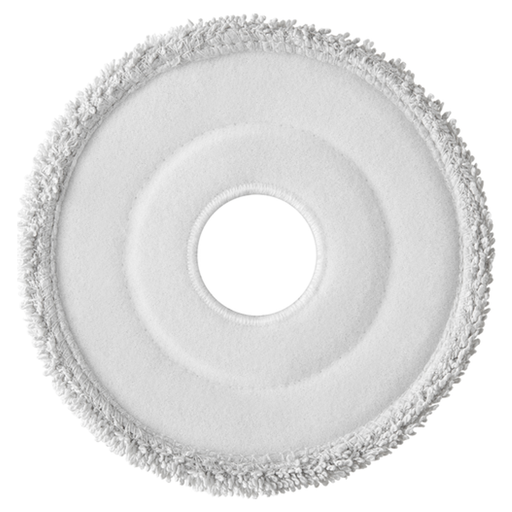
Why it suits this profile: This washable mop pad is designed for the MOVA E30 Ultra, P50 Ultra and P50 Pro Ultra. It is a good match for users looking for a replacement part for a specific appliance.
The compatible models are listed. Check this list before buying and use the pad only on sealed hard floors.
Washable and non-slip; suitable as a replacement; allow the pad to air-dry completely after use.
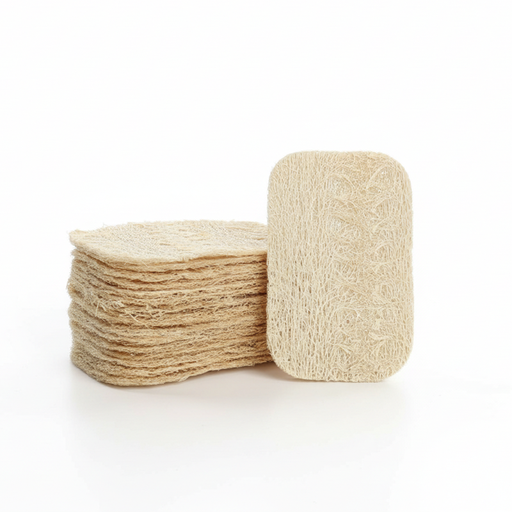
Why it suits this profile: According to the product information, this biodegradable loofah sponge is made from natural loofah plant fibre and contains 30 pieces measuring 11 × 7 cm.
The description mentions natural loofah but does not make a specific environmental certification claim. You therefore avoid being presented with an unclear certification claim.
Natural plant fibre; open structure; allow the sponge to dry completely after use and replace it when worn.
We have put together a complete, up-to-date list of products that fully meet these strict selection criteria and the applicable European safety regulations.
Reusable cleaning cloths also last longer when you look after them properly:
For a stubborn pan, you could consider a scouring sponge or stainless-steel scourer. For painted surfaces, hobs, plastic and screens, soft cleaning cloths are generally a safer starting point. Always use cleaning products according to the label and do not combine products when the packaging advises against it.
It depends on the material, how it is used and how well it is maintained. A dishcloth used every day should be washed regularly and allowed to dry completely. Replace it when it becomes damaged, develops a persistent smell or remains visibly dirty despite washing.
Yes, many microfibre cloths are suitable for glass, but check the product description. Use a clean cloth, remove coarse dirt first and do not use too much cleaning product. A specialist glass cloth or chamois may be more practical when you want a streak-free finish.
Choose a soft sponge without a hard abrasive layer. Avoid stainless-steel scourers and aggressive scouring sponges unless the pan manufacturer explicitly allows them. If in doubt, testing it on an inconspicuous area first is advisable.
