
Vandaag of morgen in huis

Kwaliteit gegarandeerd

Welkomstaanbiedingen ontgrendelen: GRATIS bezorging | Tot 80% korting | Gratis 30 dagen JoyPlus-proefperiode
Download de app
A cloth may seem like a minor purchase, until it leaves fluff on a mirror, holds on to grease in the kitchen or loses its shape after just a few washes. If you buy cleaning cloths without considering the material, size and care instructions, you may end up paying for a large pack containing very few genuinely useful cloths.
The most common pitfalls:
Microfibre cloths usually consist of fine polyester and polyamide fibres. According to the product descriptions of various microfibre cloths, these fibres can trap dust, dirt and grease. When dry, they are suitable for dust and light dirt; when slightly damp, they can be used on worktops, sanitaryware and smooth surfaces.
Note the difference between a general microfibre cloth and one specifically sold as a glass cloth. A soft, low-lint structure is important for windows and mirrors. Use the cloth first on a surface that is free from coarse sand and dust. This reduces the risk of scratches and streaks.
Viscose, cellulose and bamboo fibres are more commonly used for dishcloths and absorbent kitchen cloths. They generally absorb moisture easily, but may feel and dry differently from microfibre. So do not look only at the name: also check the stated composition and washing instructions.
A size of approximately 30 × 30 cm is practical for everyday tasks: large enough for a worktop or table, yet compact in your hand. For floors, larger cleaning cloths are more convenient. A 50 × 60 cm cloth covers more surface area and works better with a floor mop.
Also think about how you divide up tasks. In a household with several rooms, it is useful to separate cloths by room or purpose. A set in different colours, such as the Cleany microfibre set, can help with this. For example, use one colour for the kitchen and another for the bathroom or furniture.
When buying a set, check:
Absorbent cloths are useful for spills and wet surfaces. A product description may state an absorption percentage, but you should regard this as the supplier’s product specification, not a guarantee for every cleaning situation. For example, the product information for Multy G'Woon Dish Cloths states water absorption of 400%.
For reusable cloths, the care label is at least as important as absorbency. According to the product description, some models can be washed at up to 60 °C. For microfibre, it is often recommended not to use fabric softener or bleach, as these can affect the fibres. Allow cloths to dry completely after use and store them dry. This helps prevent musty odours.
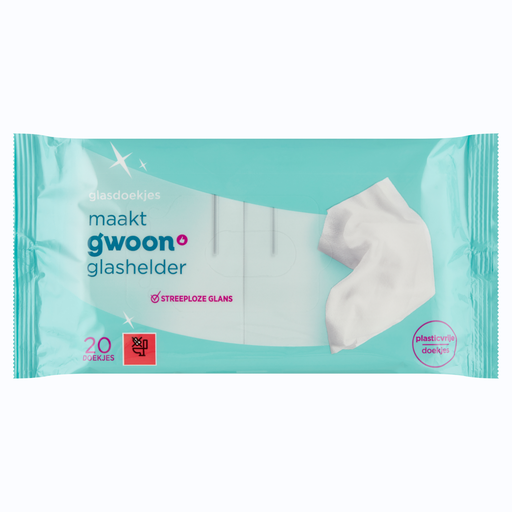
Why it suits this profile: If you are looking for a simple supply of cloths for windows and mirrors, this pack contains 20 glass cloths. The instructions recommend working from top to bottom using circular movements.
The number of pieces is clearly stated, so you do not have to rely solely on a vague claim about a large set. Remove coarse dirt beforehand, as stated on the packaging.
20 pieces; designed for glass surfaces; a practical choice for regularly cleaning windows and mirrors.

Why it suits this profile: This cloth is suitable for everyday use at home, in the car or at the office. The stated density of 260 g/m² and size of 30 × 30 cm provide clear points of comparison.
The specifications state the material, size, density and washability. This means you can assess the cloth using verifiable information rather than relying solely on terms such as “premium”.
260 g/m²; machine washable at up to 60 °C according to the product description; suitable for glass, screens and stainless steel.
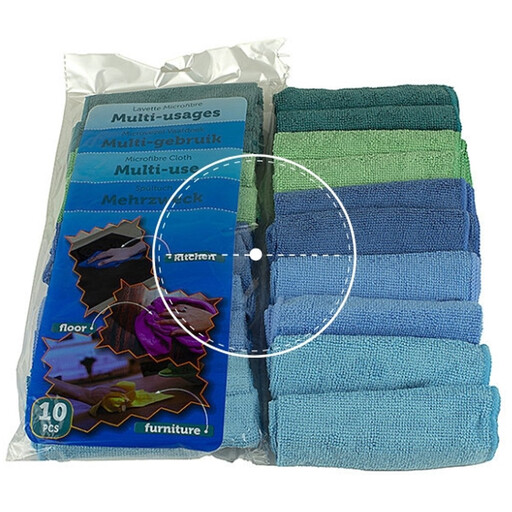
Why it suits this profile: The set contains ten 30 × 30 cm microfibre cloths in different colours. This is practical for families or households that want to assign cloths to different rooms.
Assigning different colours prevents one cloth from being used for the kitchen, bathroom and furniture. According to the product description, the cloths are washable and reusable.
10 pieces; multiple colours; suitable for dust, dirt and stains; washable and reusable according to the product information.
For the kitchen, dishcloths or cellulose cloths are often practical because they absorb moisture well. For windows, mirrors and smooth surfaces, a low-lint microfibre cloth is the more obvious choice. If you clean larger surfaces, you could also consider a 50 × 60 cm floor cloth.
We have put together a complete, up-to-date list of products that fully meet these strict selection criteria and the applicable European safety regulations.
First remove coarse dust and sand. Then use a clean, slightly damp cloth and work in straight lines or with a consistent motion. A second, dry cloth can help remove any remaining moisture from glass or mirrors. Too much cleaning product can actually leave a film behind.
Their lifespan depends on the material, how they are used and the washing routine. With normal use, washable cloths can last through multiple washes, but always check the fibres and edges. Wash according to the label and avoid products that could damage the material. There is no fixed replacement interval for every cloth.
That depends on the purchase price, the number of washes and how often you clean. Reusable cleaning cloths require water and energy for washing, but with regular use they may need to be bought less frequently. Disposable or roll products are convenient for quick, hygienic tasks, but create more waste. Compare the price per usable cloth and choose according to the situation.
