
Vandaag of morgen in huis

Kwaliteit gegarandeerd

Welkomstaanbiedingen ontgrendelen: GRATIS bezorging | Tot 80% korting | Gratis 30 dagen JoyPlus-proefperiode
Download de app
A cloth for the kitchen is not automatically suitable for windows, floors or your car. Yet many cleaning cloths look much the same at first glance. Marketing terms such as “extra absorbent”, “multi-purpose” and “antibacterial” mean little if the material, size and care instructions are not clearly stated.
The most common poor purchases result from three pitfalls:
Microfibre cloths are usually made from synthetic fibres such as polyester and polyamide. According to the 5five product description, these cloths attract dry dust and dirt and, when damp, are suitable for smooth surfaces such as glass and stainless steel. Always check the exact composition and washing instructions before buying.
Viscose and cellulose cloths are often intended as dishcloths or kitchen cloths. They can absorb a lot of moisture, but do not always have the same properties as microfibre. A cloth that works well for wiping up spilled liquid is not necessarily suitable for cleaning windows without leaving streaks.
There are separate facial wipes and face cloths for personal hygiene. These products are not the same as a cleaning cloth or dishcloth. A disposable facial wipe is intended for single use; do not reuse it in the kitchen.
A size of approximately 30 × 30 cm is easy to hold and suitable for furniture, worktops and the car. Larger cloths are useful for broad surfaces, but may be less practical when wringing them out.
For microfibre cloths, density is sometimes stated in g/m². A 260 g/m² cloth, such as the Microfibre Cloths 30x30cm Set or 1, contains more material per square metre than a very thin cloth. This can be relevant to absorbency and durability, but a higher figure does not automatically make a cloth suitable for every task.
Also check the quantity in the pack. A cleaning cloth set with multiple colours helps you keep tasks separate: for example, one colour for the bathroom, one for the kitchen and one for the car.
For reusable cleaning cloths, the maximum washing temperature is important. According to the product information, the 5five cloths can be washed at 40 °C. Do not use fabric softener or bleach, as these can affect the properties of microfibre. According to the description, the Parex cloths can be washed at up to 60 °C.
Rinse dishcloths and viscose cloths thoroughly after use and allow them to dry completely. A damp cloth left folded for a long time can start to smell unpleasant. Wash cloths that have come into contact with raw food, bathroom fixtures or pet care separately from other household textiles.
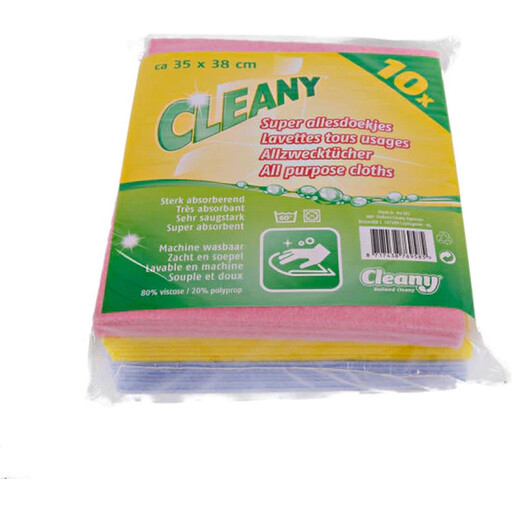
Why it suits this profile: A pack of 10 cloths provides a simple starting point for the kitchen, bathroom and general household cleaning.
The clearly stated quantity, size and washability make it easier to compare than loose, unspecified wipes.
10 cloths, approximately 35 × 35 cm, machine washable and, according to the product description, suitable for wet cleaning.

Why it suits this profile: The stated density and compact size provide clear technical information for anyone looking to choose a microfibre cloth with care.
The product information states the material, density, size and washing instructions. This means you do not have to rely solely on broad marketing claims.
260 g/m², 30 × 30 cm, reusable and, according to the description, suitable for glass, screens, stainless steel and other surfaces.
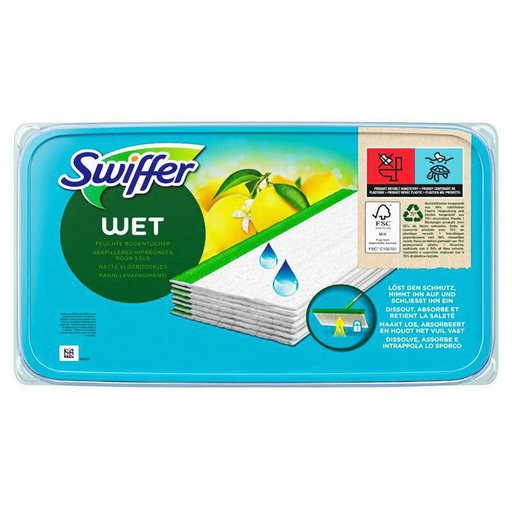
Why it suits this profile: Ideal for households that want to clean a hard floor quickly without first wetting a cloth.
The usage restrictions are clear: do not use on untreated, oiled or waxed wood, untreated natural stone or carpet.
Pre-moistened floor-cleaning wipes, 10 per pack, suitable according to the product information for tiles, linoleum and treated wooden floors.
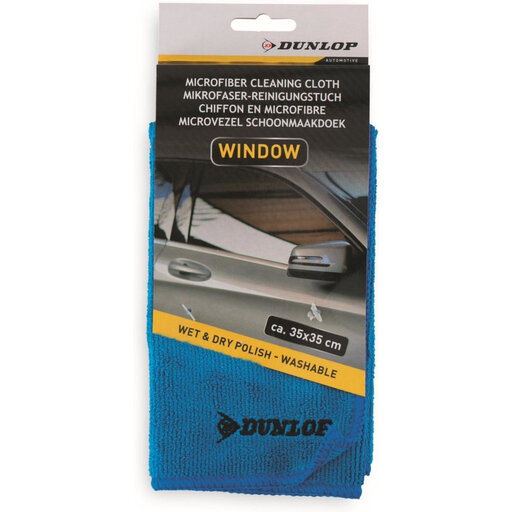
Why it suits this profile: This cloth is designed for glass and car windows, making it a good choice for anyone wanting one dedicated cloth for windows or the car.
Its intended use is clearly defined: the product information mentions glass, car windows and reuse after rinsing with water.
35 × 35 cm, blue, 100% viscose according to the product details, and suitable for warm and cold water.
Reusable cleaning cloths are useful for regular wiping because you can rinse and wash them. Colour coding helps limit cross-use. However, consider washing costs, drying time and how many cloths you need.
Disposable wipes are practical for a quick job or when you are out and about. The Swiffer floor wipes, for example, are already damp and ready to use. For the face and personal hygiene, there are separate options such as Sence Facial Cleansing Wipes or compressed facial wipes. According to Sence’s product information, these wipes contain aloe vera and micellar technology; this is a claim from the product description and not an established medical effect. Dispose of used wipes in the bin and do not flush them.
Kleenex Family Maxi tissues are soft, strong tissues for single use. According to the product information, they are made from 100% new cellulose pulp and are not intended as a dishcloth, kitchen cloth or surface-cleaning cloth.
We have put together a complete, up-to-date list of products that fully meet these strict selection criteria and the applicable European safety regulations.
That depends on how they are used. Wash a cloth after using it in the kitchen or bathroom, or whenever it is visibly dirty. Let it dry first and follow the temperature shown on the label. For microfibre, do not use fabric softener if the manufacturer advises against it.
First remove any loose dust and dirt. Then use a clean, low-lint glass cloth and work from top to bottom. A separate cloth for glass prevents grease residue from the kitchen or car ending up on the window.
That depends on the purchase price, lifespan, number of washes and frequency of use. If you clean every day, a washable set may mean you need fewer packs. For a one-off or quick job, disposable wipes may be more practical. So do not compare only the price per pack; also consider the number of useful cleaning sessions.
