
Vandaag of morgen in huis

Kwaliteit gegarandeerd

Welkomstaanbiedingen ontgrendelen: GRATIS bezorging | Tot 80% korting | Gratis 30 dagen JoyPlus-proefperiode
Download de app
A cloth may seem like a simple product, but choosing the wrong one can quickly leave streaks or lint, or lose its shape after a few washes. This matters in homes and small businesses alike, whether you have a family or pets.
When buying cleaning cloths, people often look only at the price or the number of cloths in a pack. That can be misleading. A pack of lots of cheap cloths isn’t automatically better value if they absorb little moisture or wear out quickly. And a cloth that’s suitable for the kitchen isn’t necessarily the best choice for glass, floors or delicate surfaces.
A large cleaning cloth set may seem appealing, but check the size and material too. A small cloth may be fine for furniture, but less practical for a floor or a large worktop. So compare the dimensions of each cloth, not just the number in the pack.
Microfibre cloths, dishcloths, dusters and floor cloths all have different uses. A glass cloth is designed to minimise lint and streaks, while an absorbent cloth is better for spills. It can also be useful to assign different colours to different rooms for cleaning bathrooms, kitchens and furniture.
Terms such as ‘streak-free’, ‘extra absorbent’ or ‘antibacterial’ don’t tell you much without clear product specifications. A brand or supplier may list certain features in the product description, but that doesn’t guarantee the same results on every surface or in every cleaning situation. Look instead for details you can check, such as material, size, care instructions and number of cloths.
Microfibre cloths are versatile for dry dusting and light damp cleaning. Some product descriptions say they’re suitable for dust, dirt and grease, and can be washed repeatedly. Always check the care label, though. Fabric softener can affect the performance of some microfibres.
Viscose cloths and sponge cloths are particularly useful in the kitchen and bathroom, and for washing up. They’re often easy to wring out and absorb moisture. Use cleaning products according to the label, and don’t use a cloth with undiluted bleach unless the instructions say it’s suitable.
Cotton towels are designed for drying and hand-drying, and aren’t necessarily suitable for removing dust or streaks from glass. A cotton set may be a good choice if you’re looking for soft, absorbent cloths for everyday use.
Disposable cloths are handy when you’re out and about, at the office or in situations where you can’t wash a cloth after use. However, they come with ongoing costs and create more waste. Dispose of them according to the product instructions and don’t flush them down the toilet.
A size of around 30 x 30 cm is easy to handle for furniture and screens. Larger floor cloths or mop cloths are more efficient for floors, for example 42 x 25 cm or 50 x 60 cm. A larger cloth covers more area, but may be harder to wring out.
Check how the cloth attaches too. Some static floor cloths are designed for standard floor sweepers. Before buying, check that the dimensions are compatible with your mop.
Reusable cleaning cloths are practical if you clean regularly. Check:
Don’t leave used dishcloths and cleaning cloths damp in a pile for long periods. Rinsing them, wringing them out well and leaving them to dry can help reduce odours. Use separate cloths for the toilet, kitchen, windows and general surfaces.
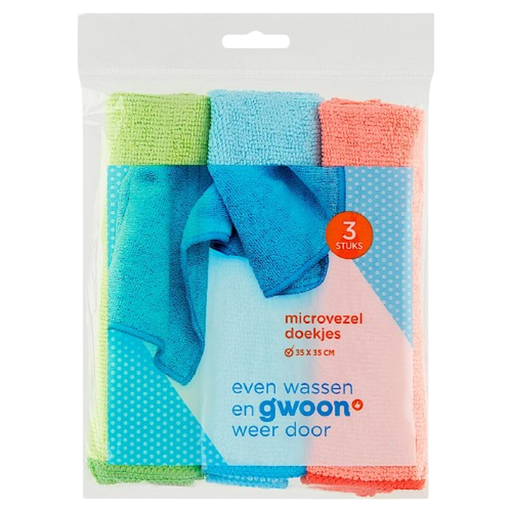
Why it suits this profile: The pack contains 3 microfibre cloths for general household tasks. It’s a straightforward starter set for the kitchen, furniture and other surfaces.
You’re not just comparing quantities: the material and pack contents of 3 cloths are clearly stated.
Microfibre material; pack of 3 cloths; suitable for caring for a range of surfaces, according to the product description.

Why it suits this profile: The cloth measures 30 x 30 cm and has a stated density of 260 g/m². These clear specifications make it easy to compare for anyone looking for particular features.
The product information gives the size, density, washability up to 60 °C and suitability for dry or damp surfaces.
High-density microfibre; machine washable up to 60 °C according to the stated instructions; 30 x 30 cm.
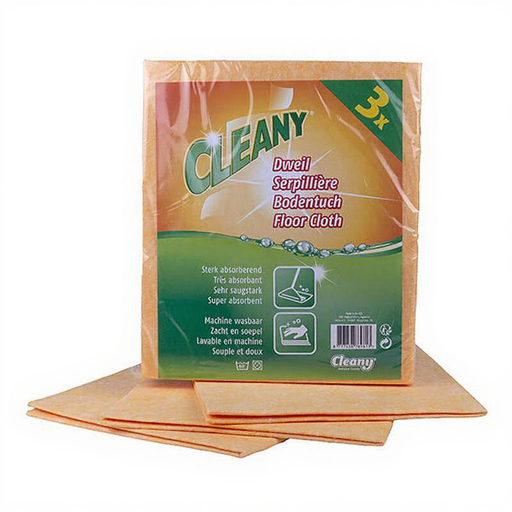
Why it suits this profile: The larger 50 x 60 cm size is designed for floor care, making it a good fit for homes or workplaces where larger areas are cleaned regularly.
The size and pack contents are clear upfront: 3 floor cloths measuring 50 x 60 cm. That helps you avoid using a small surface cloth as a floor cloth.
Large size; set of 3; product type listed as a floor cloth in the available product information.
Plan a simple system for each room in advance. For example, use different colours for the kitchen, bathroom and general surfaces. This makes it easier to keep cloths separate.
For windows and mirrors, glass cloths or low-lint microfibre cloths are practical. Remove sand and loose dirt first to help prevent scratches. For everyday dusting, static dusting cloths or electrostatic floor cloths can come in handy. These are often designed for dry use, so follow the instructions on the pack.
For reusable cloths, compare the price per cloth as well as the expected number of washes. For disposable cloths, consider the price per use. This gives you a more realistic picture than looking at the purchase price alone.
We’ve put together a complete, up-to-date list of products that meet these strict selection criteria and the applicable European safety regulations.
Choose a low-lint cloth with a smooth texture, such as a glass cloth or fine microfibre cloth. First use one cloth to remove dirt, then use a dry cloth to finish drying. Always check the product description if the cloth is intended for glass, mirrors or screens.
It depends on how you use them. Wash a cloth after it has been in contact with a lot of dirt, grease or moisture, and let it dry completely first. Follow the care instructions on the label. If a product is listed as washable up to 60 °C, that doesn’t automatically mean it can be washed at a higher temperature.
Disposable cloths can be practical for occasional use, travelling or quick clean-ups. Reusable cleaning cloths may work out cheaper for everyday use because you can use them again. Before choosing, compare the cost per use, washing instructions and expected lifespan.
