
Vandaag of morgen in huis

Kwaliteit gegarandeerd

Welkomstaanbiedingen ontgrendelen: GRATIS bezorging | Tot 80% korting | Gratis 30 dagen JoyPlus-proefperiode
Download de app
One cloth for the kitchen, another for the bathroom and something for the floor: cleaning cloths may seem straightforward, but there’s a lot of variation. Choose the wrong one and you could end up with fluff, streaks, unpleasant smells or cloths that lose their shape after a few washes.
So don’t just look at the number of cloths or attractive packaging. The material, size and care instructions are what determine whether a cloth is practical for everyday use.
A cleaning cloth set with lots of cloths is handy if you’re cleaning several rooms. But ten small cloths won’t necessarily be suitable for windows or floors. Always check the dimensions. A 30 × 30 cm cloth is practical for furniture, worktops and sinks, while a larger floor cloth is a better choice for cleaning floors.
Microfibre cloths vary in density, finish and washing instructions. Some are mainly designed for dry dusting, while others are for damp cleaning. A product with a stated density of 260 g/m² gives you more technical information than the word microfibre alone.
Also check the instructions, such as washing at up to 60 °C, avoiding fabric softener and air-drying. Fabric softener can reduce the absorbency of some microfibre cloths.
Reusable cleaning cloths reduce the number of disposable products you use, but they need to be rinsed and washed properly. For grease, raw food residue or heavily soiled surfaces, some households prefer disposable cleaning cloths or kitchen roll. They’re convenient, but they do create more waste and ongoing costs.
Where possible, use separate cloths for different areas. A cloth used for the toilet shouldn’t be used in the kitchen without being washed first.
The material name alone doesn’t guarantee a particular result. Check the product information, texture and care instructions too.
For everyday cleaning, cloths around 30 × 30 cm are easy to hold and rinse. For floors, floor cloths such as those measuring 50 × 60 cm are more efficient because they cover a larger area.
For kitchen roll or paper cleaning cloths, the number of layers and sheets are important details. A two-ply product is different to use from a thicker, more absorbent option. According to BREEZE’s product description, the pack contains 456 sheets, divided into six packs. If using a product with food, always check the information on the packaging.
Before buying, check:
Colour-coding can help prevent cross-contamination between the kitchen, bathroom and furniture. Store clean cloths somewhere dry and separately from used ones.
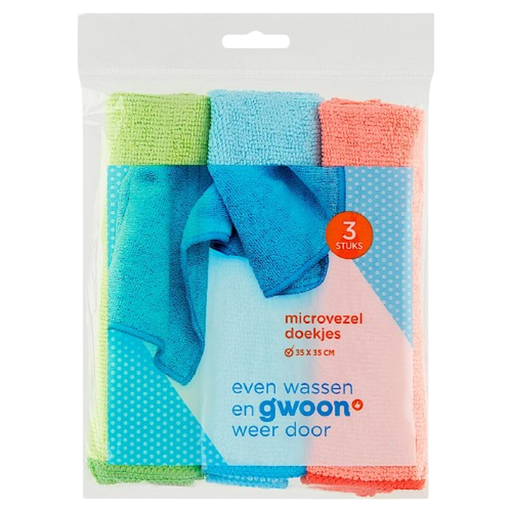
Why it suits this profile: A compact set of three microfibre cloths for everyday jobs such as dusting, cleaning the worktop and wiping down surfaces.
The number of cloths and the cloth type are clearly stated. That means you won’t end up buying a large, vague mixed set when you only need a few cloths.
Three cloths per pack; according to the product description, they’re suitable for picking up dirt and dust from various surfaces.

Why it suits this profile: For anyone who wants to choose a cloth based on clear specifications. This model measures 30 × 30 cm and has a stated density of 260 g/m².
The product information lists the material, density, dimensions and washing instructions. So you don’t have to rely on vague marketing claims such as “extra strong”.
Machine washable at up to 60 °C according to the product description; suitable for dry dusting and damp cleaning.
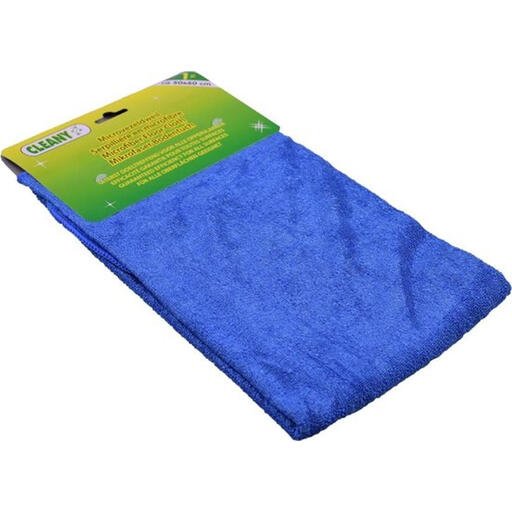
Why it suits this profile: A practical choice for households that clean their floors regularly and need a larger cloth.
Its 50 × 60 cm size makes it clear that this is a floor cloth, not a small cloth for glass or furniture.
One large microfibre cloth; according to the product information, it’s washable at up to 90 °C and suitable for several types of flooring.
We’ve put together a complete, up-to-date list of products that meet these strict selection criteria and the current European safety regulations.
For glass and mirrors, use a clean glass cloth and remove any sand and loose dirt first. This reduces the chance of spreading dirt across the surface. For kitchen worktops, you can dampen a cloth slightly, then dry the surface afterwards.
Let reusable cloths dry completely after use. Don’t leave wet cloths in a sealed laundry basket for a long time. Wash heavily soiled cloths separately and always follow the care label. Don’t apply cleaning products directly to a cloth if the product information advises against it, as is the case with some viscose cloths.
It depends on how you use them. Cloths used for dusting or light cleaning can usually be used several times before washing. A cloth used for raw food residue, grease or the toilet needs washing sooner. Follow the care label and let the cloth dry completely between uses.
Not necessarily. They’re often used on furniture, kitchen worktops, glass and smooth surfaces, but check the product information before using them on delicate materials. Remove sand and loose dirt before wiping, and use a clean cloth on delicate surfaces.
It depends on the purchase price, how long the cloths last and how often you wash them. Reusable cloths may mean using fewer sheets, but they require water, detergent and energy. Kitchen roll and disposable cleaning cloths are particularly handy for one-off, greasy or hygiene-sensitive jobs. So consider your own cleaning routine rather than looking only at the number of items in the pack.
