
Vandaag of morgen in huis

Kwaliteit gegarandeerd

Welkomstaanbiedingen ontgrendelen: GRATIS bezorging | Tot 80% korting | Gratis 30 dagen JoyPlus-proefperiode
Download de app
A pack of cleaning cloths might seem simple to choose. Yet many households end up with cloths that shed lint quickly, don't absorb enough moisture, or lose their shape after just a few washes. Terms like "extra absorbent", "hygienic" and "reusable" only mean something once you check the material and product details.
For a British kitchen, bathroom, student room, office or care environment, three pitfalls are particularly important:
Microfibre cloths are made from fine synthetic fibres and are often used for dust, grease and light stains. A higher density, expressed in g/m², can indicate a sturdier cloth, but doesn't on its own tell you how well the product will work in your situation. Also look at the finish, thickness and washing instructions.
The Microfibre Cloths of 30 × 30 cm, for example, state a density of 260 g/m², machine washability up to 60 °C and use for household, office and delicate surfaces. According to the product description, the cloth can be used dry or slightly damp. Do not use fabric softener if the instructions advise against it; it can affect the properties of microfibre.
For kitchen cloths and dishcloths, viscose, cotton or a blended fibre are also common. Viscose can absorb moisture well, while cotton often feels familiar. Always compare the stated composition, because "soft" or "strong" is hard to judge without material information.
A cloth of 30 × 30 cm is practical for tables, basins, furniture and smaller surfaces. Larger cloths, such as kitchen towels of 40 × 60 cm, are more convenient for drying up, larger worktops or more intensive use. For a floor, you usually need a cloth that fits your floor mop or cleaning system.
Don't just look at the size, but also the thickness and how you intend to fold the cloth. A cloth that is too small will quickly become saturated during a wet cleaning job. A cloth that is too large can be awkward around taps, corners and hobs.
Reusable cleaning cloths are suitable if you clean regularly and want to wash the cloths separately. Choose different colours for the kitchen, bathroom and other rooms if possible. This helps prevent mixing them up between uses. The Cleany set with ten microfibre cloths uses different colours and has a size of 30 × 30 cm.
Disposable cleaning wipes are particularly practical for a quick clean, on the go, in an office, or when you don't want to wash a cloth. Dispose of used wipes in the correct bin and do not flush them down the toilet, unless the packaging expressly states this is allowed and in accordance with local regulations. Product information for personal washcloths often explicitly states: do not flush.
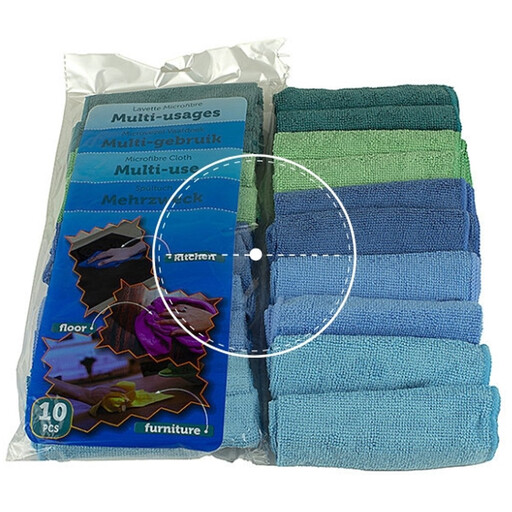
Why this fits the profile: The set contains 10 washable microfibre cloths of 30 × 30 cm. The different colours make it easy to allocate cloths to different rooms.
The quantity, material, size and reusability are clearly stated. So you don't have to rely on a marketing term alone.
10 pieces, machine washable according to the product information, and usable for dust, dirt and stains.

Why this fits the profile: The stated density of 260 g/m² and lint-free structure give you more confidence when comparing microfibre cloths.
The product description provides concrete care details: wash up to 60 °C, no fabric softener, and dry according to instructions.
260 g/m², size 30 × 30 cm, machine washable and according to the product information suitable for glass, screens and stainless steel.
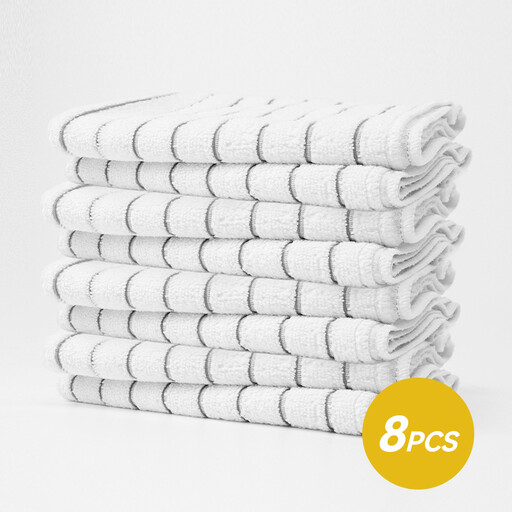
Why this fits the profile: The set of eight kitchen towels measuring 40 × 60 cm provides multiple cloths for drying up, worktops and daily kitchen tasks.
The larger size means you don't need a new cloth for every small kitchen task. Do check the care label on the packaging.
8 pieces, microfibre material and a size of 40 × 60 cm.
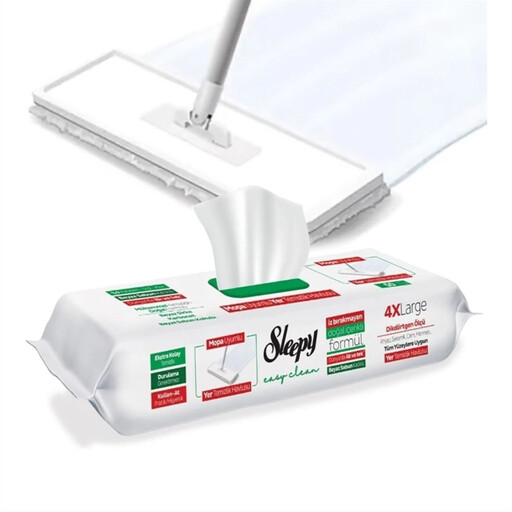
Why this fits the profile: These wet cleaning wipes are designed for quick surface cleaning and come in a resealable pack.
The size of 25 × 25 cm and the quantity of 50 wipes are clear upfront. Only use them on surfaces for which the packaging states they are suitable.
50 wet wipes, 4XL variant and resealable packaging according to the product details.
We've put together a full, up-to-date list of products that fully meet these strict selection criteria and comply with current European safety regulations.
Wash a cloth as soon as it is visibly dirty, smells unpleasant, or is being used for a different room. Follow the care label. Wash kitchen cloths and bathroom cloths separately from textiles that come into direct contact with your body if possible. Allow cloths to dry completely before storing them.
They can be, provided the cloth is suitable for glass according to the product information and is free from coarse dirt. Use a clean, lint-free cloth and avoid residue from fabric softener. For windows and mirrors, special glass cleaning cloths are often more practical than a general dishcloth.
That depends on frequency of use, price per piece, washing costs and lifespan. Disposable wipes save time on small jobs, whereas reusable cloths can last for multiple cleaning rounds with regular washing. So don't just compare the price of the pack, but also the number of usable applications.
