
Vandaag of morgen in huis

Kwaliteit gegarandeerd

Welkomstaanbiedingen ontgrendelen: GRATIS bezorging | Tot 80% korting | Gratis 30 dagen JoyPlus-proefperiode
Download de app
Cleaning cloths may seem straightforward, but the difference between a useful cloth and a disappointing purchase often comes down to the details. A cloth that’s too small can quickly become saturated, the wrong fibre may leave lint behind, and a disposable cloth might not fit your mop properly. Choose the right cloth and you can work more efficiently, without having to buy a new pack for every task.
A pack of cleaning cloths with a high count may seem like good value, but check the size and material too. Ten small cloths aren’t automatically more practical than three larger microfibre cloths. A 30 x 30 cm cloth can work well on a table or worktop; for floors, you’ll need a larger cloth that fits your mop properly.
Using a floor cloth on your worktop can spread dirt and cleaning products. It’s best to use different colours or assign cloths to specific tasks. For example, use separate dishcloths in the kitchen, glass cloths for windows and dusting cloths for furniture.
Words such as “streak-free”, “extra absorbent” or “professional” don’t tell you much without specific information. Instead, look for details you can check, such as material, size, pack quantity, washability and usage instructions. A brand’s product description may say that a cloth is suitable for a particular task, but that’s no guarantee it will work on every surface or in every cleaning situation.
Microfibre cloths are suitable for dry dusting and damp cleaning. Depending on their construction, their fibres can pick up dirt, dust and grease. A cloth with a stated density of 260 g/m², such as the Microfibre Cloth 30 x 30 cm, is easier to compare with other options than one whose packaging simply describes it as “high-quality fibre”.
Viscose cloths and sponge cloths are particularly useful for wet tasks, such as washing dishes or cleaning the kitchen and bathroom. They’re usually easy to wring out. Always check the instructions: for example, the Cleany viscose cloths shouldn’t be used with undiluted bleach.
Disposable cleaning cloths and electrostatic cloths are handy when you want to quickly remove dust, hair or fluff without rinsing a cloth. The trade-off is that they create waste after use. For everyday cleaning, a reusable option may work out cheaper.
A cloth measuring around 30 x 30 cm is easy to hold when cleaning furniture, screens and smaller surfaces. For floors, size and attachment are more important. According to the product information, the Cleany mop cloths measure 42 x 25 cm and are designed for standard mops; they may also fit many popular mop sizes. Check your mop’s dimensions before ordering.
Glass needs a cloth that won’t leave much lint behind. A glass cleaning cloth may be more practical than a thick dishcloth. Remove any loose dust and grit first to help prevent scratches.
For reusable cleaning cloths, check the maximum washing temperature and whether fabric conditioner is recommended. According to the product information, the 30 x 30 cm microfibre cloth can be washed at up to 60 °C and should be cleaned without fabric conditioner. Fabric conditioner can affect how microfibres work.
Use separate cloths for the toilet, floors, kitchen and windows. A colour-coding system can help prevent mix-ups. Let washed cloths dry completely before putting them away. Disposable cloths save you from rinsing, but remember to factor in how many you use each week when comparing the overall cost.
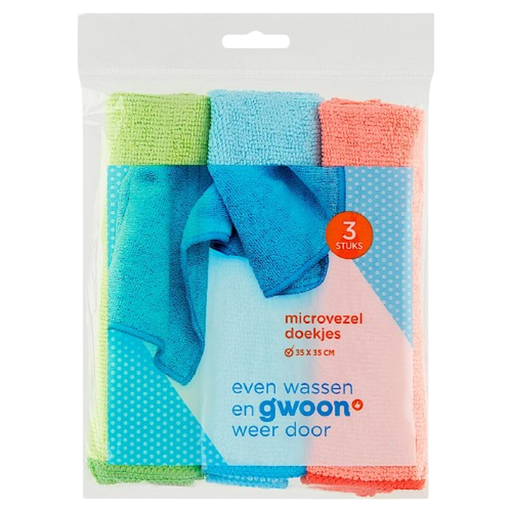
Why it suits this type of shopper: This set of three microfibre cloths is a straightforward starting point for everyday household tasks, such as dusting and wiping surfaces with a damp cloth.
The pack quantity is clearly stated, so you don’t have to buy a large supply straight away.
Microfibre material; three cloths per pack; designed for use on a range of surfaces.

Why it suits this type of shopper: If you want to compare specifications, this cloth comes with clear information about its size, density, washability and intended uses.
The product information specifies 260 g/m² and 30 x 30 cm, so you don’t have to rely on vague marketing claims alone.
Machine washable at up to 60 °C according to the product information; suitable for household, car and office cleaning.
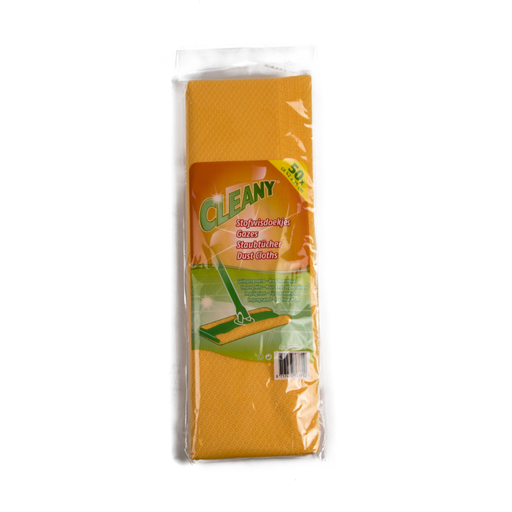
Why it suits this type of shopper: These disposable cloths are a practical choice for families, pet owners and small business premises that need to remove dust and hair regularly.
The 42 x 25 cm size and 50-cloth pack quantity are clearly stated, so you can check whether they’ll fit your mop and estimate how much you’ll need.
50 disposable cloths; according to the product information, suitable for hard floors such as laminate, tiles, PVC and parquet.
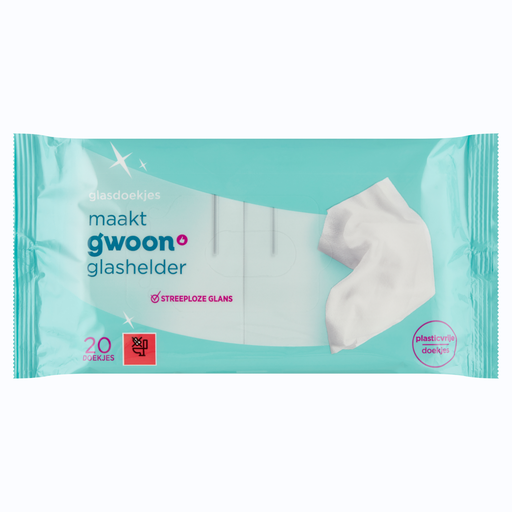
Why it suits this type of shopper: A dedicated choice for windows, mirrors and other glass surfaces when you want to use the right type of cloth.
Use a separate cloth for glass instead of using the same dishcloth for several jobs around the home.
20 glass cleaning cloths per pack; the instructions recommend working from top to bottom, using circular movements.
We’ve put together a complete, up-to-date list of products that meet these strict selection criteria and the applicable European safety regulations.
Dishcloths, viscose cloths and sponge cloths are practical for worktops and washing up. Use separate cloths for dishes, work surfaces and floors. Check the washing and bleaching instructions before using a cloth with a strong cleaning product.
Their lifespan depends on the material, how often you use them and how you wash them. Microfibre cloths can be used several times if you follow the washing instructions on the label and let them dry completely. Replace a cloth if it’s worn out, continues to hold dirt or still smells unpleasant after washing.
It depends on how often you clean. Disposable cloths are handy for quick cleaning and situations where rinsing isn’t practical. For everyday use, reusable cleaning cloths may be better value because you can wash and use them again. Compare the price per cloth with how many you expect to use each week.
