
Vandaag of morgen in huis

Kwaliteit gegarandeerd

Welkomstaanbiedingen ontgrendelen: GRATIS bezorging | Tot 80% korting | Gratis 30 dagen JoyPlus-proefperiode
Download de app
Cleaning cloths may seem simple, but the wrong one can leave streaks, become saturated quickly or lose its shape after just a few washes. If you only look at a low price or promising packaging, you may end up buying the same product several times.
When comparing cloths, focus on the material, size, how to use them and care instructions. A cloth for dusting furniture, for example, needs different qualities from one for grease on the worktop or water on the floor.
Microfibre cloths are versatile, but that doesn’t mean every cloth is suitable for every task. A thin cloth for everyday dusting may not be the best choice for tackling lots of moisture. Floors often need a larger cloth, while cloths for glass should have low-lint fibres and an even texture.
Where possible, use separate cloths for the kitchen, bathroom, floors and windows. This also helps prevent dirt being spread unnecessarily between rooms.
A pack containing lots of dishcloths or kitchen cleaning cloths may seem like good value, but the number tells you little without information about size, material and washability. Check whether you’re buying reusable cleaning cloths or disposable cleaning wipes.
Reusable cloths can be practical in the long run, but they need to be washed and dried properly. Disposable wipes are handy for quick cleaning or when you want to throw the cloth away straight after use, but they create more waste.
Words such as “streak-free”, “antibacterial” or “extra absorbent” shouldn’t automatically be taken as guaranteed results. A brand may make claims about certain qualities based on its own research, but the results also depend on the surface, the amount of water, the cleaning product and how the cloth is washed.
So, start by checking verifiable details such as size, density, pack quantity, material and maximum washing temperature.
Microfibre is suitable for dust, dirt and light grease on many smooth surfaces. Its fibres can be used dry for dusting or damp for everyday cleaning. A product description may say that a cloth is low-lint or suitable for glass; always check the washing instructions too.
Viscose cloths and sponge cloths are practical for wet tasks such as washing up or wiping down a worktop. They’re often easy to wring out. Use them according to the product instructions and, for example, avoid undiluted bleach if the manufacturer advises against it.
A size of around 30 × 30 cm is easy to handle for furniture, screens and small surfaces. Floor cloths measuring, for example, 50 × 60 cm are more efficient for mopping, as they cover more ground and can be attached to a suitable mop.
When buying a set, check how many cloths are included in the pack. Three cloths may be enough for occasional everyday use, while a household with children, pets or large floors may need more spares.
Rinse reusable cleaning cloths thoroughly after use and let them dry completely. Some products are machine washable at up to 60 °C, while other floor cloths can be washed at up to 90 °C, according to the product information. Don’t use fabric softener if the manufacturer advises against it, as it can affect the cloth’s texture and absorbency.
Where possible, wash bathroom and kitchen cloths separately from clothing. Using different colours for different rooms makes it easier to keep dishcloths, bathroom cloths and dusters apart.
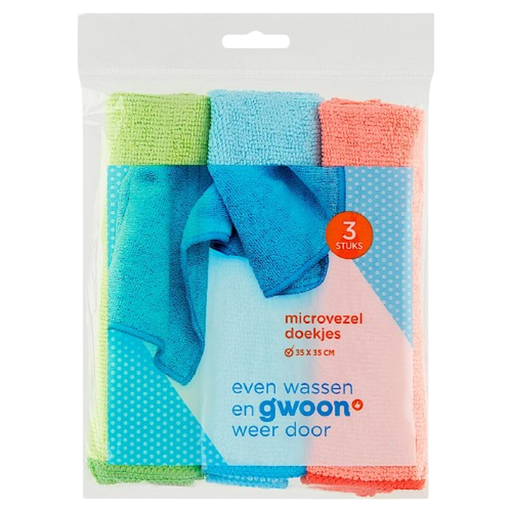
Why it suits this user: This set contains three microfibre cloths for regular cleaning of different surfaces around the home.
The pack clearly states that it contains 3 cloths, so you don’t have to rely solely on a general claim about versatility.
3 microfibre cloths in one pack; according to the product description, they’re suitable for picking up dust and dirt.

Why it suits this user: The stated density of 260 g/m² and size of 30 × 30 cm give you more detail than a general quality claim alone.
The product specifications list the material, dimensions and weight per square metre; according to the description, the cloth is machine washable at up to 60 °C.
260 g/m²; 30 × 30 cm; reusable and suitable for dry or damp use, according to the product information.
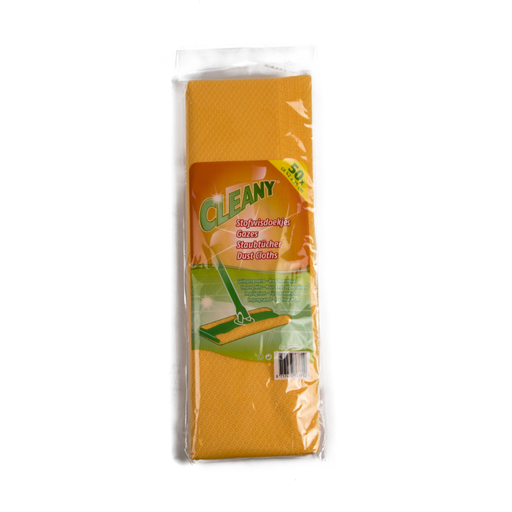
Why it suits this user: These floor cloths are designed for quick daily cleaning of hard floors, skirting boards and hard-to-reach areas.
They’re clearly disposable cloths, measuring 42 × 25 cm, with 50 in the pack, making it easier to estimate how long they’ll last.
50 cloths per set; suitable for many standard mops according to the product description; designed to pick up dry dust and hair from hard floors.
We’ve put together a comprehensive, up-to-date list of products that meet these strict selection criteria and the applicable European safety regulations.
Choose glass cloths or a compact, low-lint microfibre cloth. First remove any loose dust and dirt to help prevent scratches. Use only a little moisture and clean the surface in even strokes. The result depends on the cloth, the window, the amount of water and any cleaning product you use.
It depends on the material and how often you use them. Always follow the care label, and don’t use fabric softener if the manufacturer advises against it. Replace a cloth if its fibres start to come loose, it still smells unpleasant after washing or it no longer picks up dirt effectively.
It depends on the price per cloth, how many times you clean, and the cost of washing and drying. Disposable cloths are practical for quick floor cleaning, while washable microfibre cloths or mop cloths can create less waste with regular use. So compare the cost per use, not just the price of the pack.
