
Vandaag of morgen in huis

Kwaliteit gegarandeerd

Welkomstaanbiedingen ontgrendelen: GRATIS bezorging | Tot 80% korting | Gratis 30 dagen JoyPlus-proefperiode
Download de app
Cleaning cloths may seem straightforward, but the difference between a practical cloth and a poor purchase often only becomes apparent when you start cleaning. A cloth that sheds lint, is too small for a mop, or loses its structure after a few washes creates extra work. With disposable cloths, you're not just paying for the packaging – you're paying for every single clean, time and again.
Joybuy's Product Recommendation Officer selects products based on verifiable data, such as material, dimensions, quantity and usage instructions. This way, you can compare cleaning cloths without relying solely on flashy marketing claims.
A pack containing 50 or 110 cloths may look like great value. Yet a small cloth can clean less surface area than a reusable cloth measuring 30 × 30 or 40 × 30 cm. So always compare the price per cloth and the size. With reusable microfibre cloths, also factor in how many times they can be reused according to the washing instructions.
A cloth designed for floors isn't always ideal for glass, stainless steel or electronics. Thick or impregnated mop cloths can leave moisture behind. Electrostatic cloths are primarily intended for dry dusting, whereas kitchen cleaning cloths are often suited to grease and spills.
Always check the product description and follow the manufacturer's instructions. On delicate surfaces, test a small, inconspicuous area first.
Words like "antibacterial", "biodegradable" or "10 times more cleaning power" are no substitute for concrete information about material and usage. According to the product description for Dettol, the Citrus Cleaning Wipes remove 99.9% of bacteria, allergens and dust mites. That's a brand claim; the practical result still depends on factors such as contact time, surface and usage instructions.
A cleaning cloth is not a medical product. Use antibacterial cleaning cloths according to the label and never mix cleaning products together.
Microfibre cloths are typically made from very fine synthetic fibres, such as polyester and polyamide. According to the product information, they can be used dry or damp. They are suitable for everyday tasks in the kitchen, bathroom, on glass and on some electronic surfaces. Pay attention to the washing instructions: for many models, fabric softener and bleach are not recommended.
Disposable cleaning cloths are handy when you want to work quickly without washing and drying. They are suitable for one-off tasks, but they do create more waste. Dusting cloths and electrostatic cloths are designed to trap dry dust, hair and fine particles. They are not the same as damp floor cloths.
A cloth measuring 22 × 28 cm is compact for furniture, skirting boards and smaller surfaces. For a floor mop, a size of around 42 × 25 cm is more practical when the cloth can be attached to the mop. A cloth of 30 × 30 cm or 40 × 30 cm offers more working surface for windows, mirrors and worktops.
With floor cloths, always check whether the dimensions fit your mop. Products designed for a specific system may have a different attachment size.
Don't just look at the number of cloths in the pack – also consider the type of use:
Keep different cloths separate for the kitchen, bathroom, toilet and floor. This prevents dirt from being transferred from one room to another.
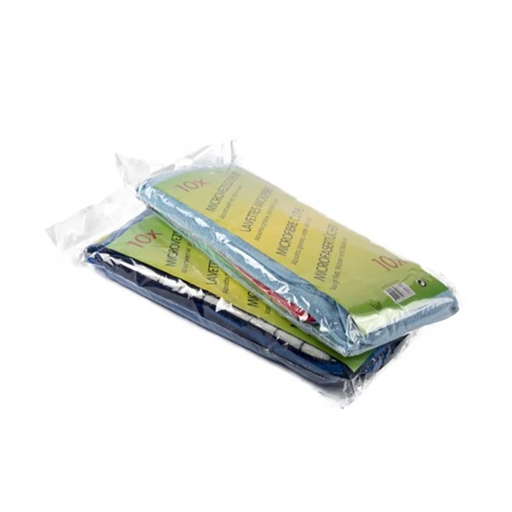
Why this suits the profile: A set of 10 reusable microfibre cloths offers a practical starting point for different rooms and surfaces.
The number of cloths and the material are clearly stated. You're not relying on a single cloth for the whole household.
10 pieces, microfibre, suitable for household, kitchen, bathroom, glass and electronics; machine washable according to the product information.
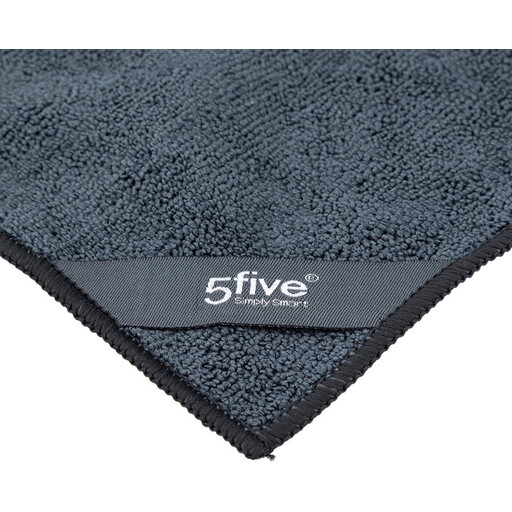
Why this suits the profile: The three colours help you separate cloths by room or task, while the generous size is ideal for smooth surfaces.
The size of 40 × 30 cm is clearly stated. The washing instructions recommend washing at 40 °C and avoiding fabric softener and bleach.
Set of 3, polyester and polyamide, suitable for smooth surfaces such as glass and stainless steel; can be used dry or damp according to the product information.
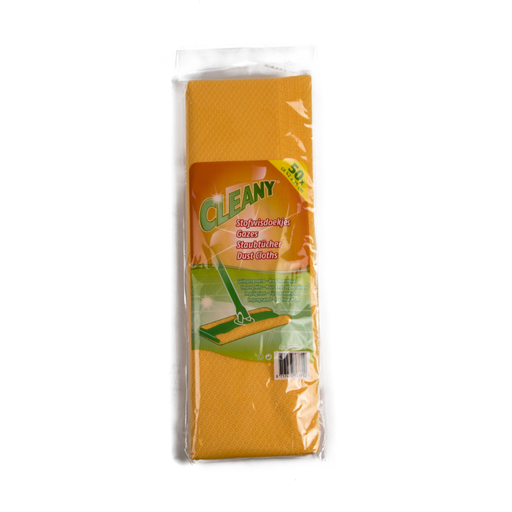
Why this suits the profile: For households with pets, large floors or daily maintenance, a bulk pack of ready-to-use floor cloths is very practical.
This isn't a universal cloth without specifications: the size is 42 × 25 cm and the description mentions use on hard floors and compatibility with standard mops.
50 disposable cloths, electrostatic properties, suitable for wood, tiles, laminate and PVC; also usable on skirting boards and furniture.
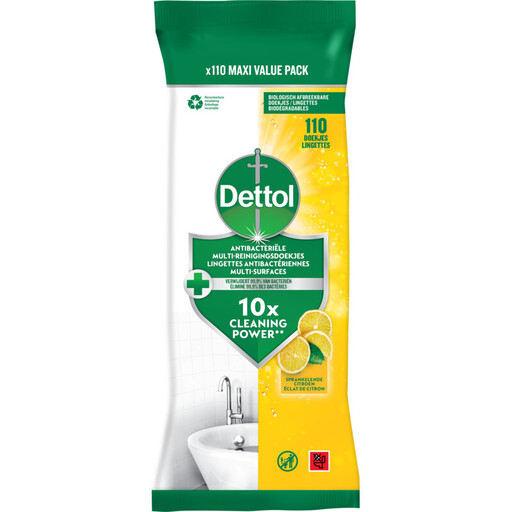
Why this suits the profile: A large household or cleaning routine involving multiple daily contact surfaces can benefit from a generous pack of damp wipes.
The packaging states the quantity of 110 wipes and the ingredients, including non-ionic and cationic surfactants.
110 damp wipes for multiple surfaces, citrus variant and, according to the product description, a biodegradable wipe with recyclable packaging.
We've put together a full, up-to-date list of products that fully meet these strict selection criteria and current European safety regulations.
That depends on the floor and your cleaning method. For dry dust and hair, dusting cloths or electrostatic cloths are practical. For damp cleaning, choose mop cloths that fit your mop. On wood, laminate and PVC, always check the maintenance instructions from the floor manufacturer and use no more moisture than necessary.
The lifespan depends on use, type of dirt, washing programme and maintenance. Wash microfibre cloths according to the label and avoid fabric softener when it's not recommended. A cloth that becomes thin, frays, smells unpleasant or spreads dirt should be replaced. Without additional manufacturer data, a fixed lifespan cannot be reliably given.
Disposable cloths are often good value for a quick, occasional clean. For daily use, reusable cleaning cloths can be more economical because you wash and reuse them. Compare the cost per use: divide the pack price by the number of cloths and, with microfibre, factor in washing, drying and replacement.
