
Vandaag of morgen in huis

Kwaliteit gegarandeerd

Welkomstaanbiedingen ontgrendelen: GRATIS bezorging | Tot 80% korting | Gratis 30 dagen JoyPlus-proefperiode
Download de app
A cloth that leaves lint behind, absorbs very little water or loses its shape after a few washes can end up costing you more than a well-chosen one. When it comes to cleaning cloths, it’s not just about the colour or the number in the pack. The material, size, density and care instructions all affect whether a cloth is right for the kitchen, bathroom, car, windows or office.
Look out for these common pitfalls:
Microfibre cloths are made from very fine synthetic fibres. According to the product information, they can be used dry for dusting or slightly damp for a more thorough clean. A density of 260 g/m², as found in the Microfibre Cloths 30 x 30 cm, tells you more than descriptions such as “premium” or “extra strong”.
Microfibre is handy for glass, stainless steel, screens and smooth surfaces when you want a lint-free finish. Don’t use fabric conditioner if the care instructions advise against it, as it can affect the fibres’ properties.
Viscose cloths and sponge cloths feel softer and generally absorb moisture easily. They’re suitable for worktops, tables and washing up. Always check the instructions: some viscose cloths need rinsing before first use and shouldn’t be used with undiluted bleach.
Cotton or bamboo terry cloths are thicker and feel more like small towels. They’re a good choice for drying and jobs where you need to absorb a lot of moisture.
A size of 30 x 30 cm is handy for everyday cleaning: the cloth fits in your hand and is easy to fold. Larger tea towels, for example 40 x 60 cm, are useful for drying dishes or larger surfaces, but they also take up more room in the laundry basket.
When comparing a cleaning cloth set, always check:
A pack of ten dishcloths is practical for households that do laundry frequently and like to rotate their cloths. A set of two or three thicker cloths may make more sense if you’re mainly looking for absorbent material.
Check the maximum washing temperature and whether the cloth can go in the tumble dryer. According to the product information, the 30 x 30 cm microfibre cloth can be machine-washed at up to 60 °C, without fabric conditioner. Let a cloth dry completely after use before putting it away. This helps prevent musty smells and makes it easier to keep cloths for different rooms separate.
Keep an eye out for signs of wear, too: fraying edges, lingering smells, stiff fibres or a noticeable drop in absorbency are all signs that it’s time to replace a cloth. “Reusable” doesn’t mean it lasts for ever.
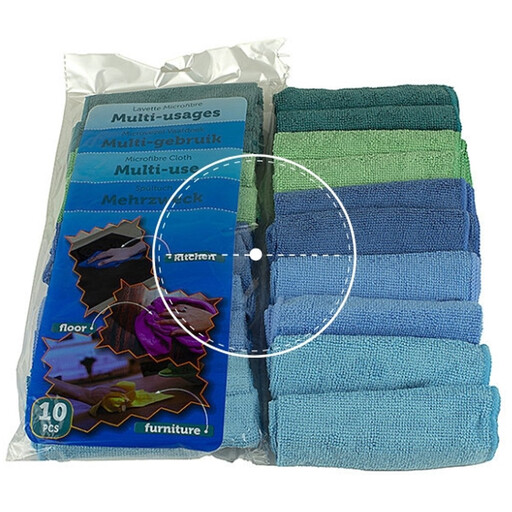
Why it suits this profile: According to the product information, the set contains ten 30 x 30 cm microfibre cloths. The different colours help you keep cloths for the kitchen, bathroom and furniture separate.
The number of cloths and their size are clearly stated, so you can compare the price per cloth rather than judging the pack by its appearance alone.
Pack of 10, microfibre material, 30 x 30 cm size and, according to the product information, washable and reusable.

Why it suits this profile: The stated density of 260 g/m² and the low-lint surface give you useful details if you want to clean smooth, delicate surfaces such as glass or stainless steel.
The product description lists the material, size, density, washability and suitability for dry or slightly damp cleaning.
30 x 30 cm size, 260 g/m² density, machine-washable at up to 60 °C according to the product information, and suitable for use at home, in the office and in the car.
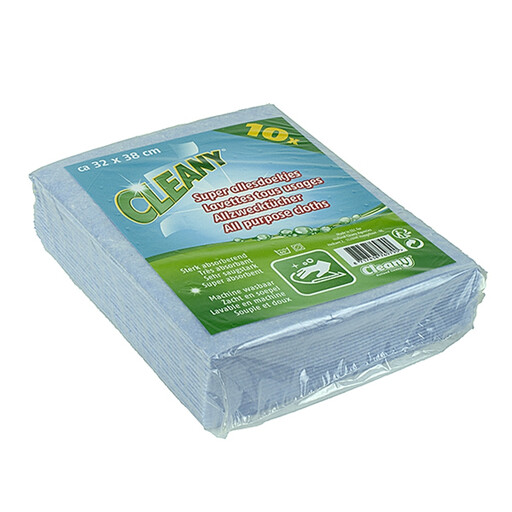
Why it suits this profile: These dishcloths are designed for everyday kitchen and household use. At 32 x 38 cm, they offer more cloth surface than compact microfibre cloths.
The blue colour makes it easier to set these washing-up cloths aside for a particular room or task.
According to the product information, the pack contains 10 cloths measuring 32 x 38 cm, suitable for washing up and cleaning surfaces.
We’ve put together a complete, up-to-date list of products that meet these strict selection criteria and the applicable European safety requirements.
It depends on how you use them. Dishcloths and washing-up cloths used in the kitchen every day are best replaced with a clean one regularly. Cloths used for dry dusting can be used for longer if they aren’t visibly dirty. Always follow the care label and let cloths dry completely.
Choose a smooth, low-lint microfibre cloth in a suitable size, such as 30 x 30 cm. Use a small amount of cleaning product and work with a clean cloth. For windows, it’s more important that the cloth doesn’t leave lint or streaks than that it’s as thick as possible.
That depends on the purchase price, washing costs and lifespan. A washable cloth can be used several times, but it requires water, energy and care. So compare the number of washes, the washing instructions and the price per cloth. For everyday household use, a set of microfibre cloths, viscose cloths or cotton tea towels can be a practical choice.
