
Vandaag of morgen in huis

Kwaliteit gegarandeerd

Welkomstaanbiedingen ontgrendelen: GRATIS bezorging | Tot 80% korting | Gratis 30 dagen JoyPlus-proefperiode
Download de app
A cloth for the kitchen, bathroom, windows and floor may seem like a straightforward purchase. However, there are clear differences in material, size, absorbency and care requirements. If you focus only on a low price or a large pack, you could end up with cloths that shed lint, start to smell unpleasant quickly or leave streaks behind.
This buying guide will help you compare cleaning cloths based on verifiable features. That way, you can make a more informed choice between microfibre cloths, dishcloths, mop cloths and dusting cloths to suit your household and cleaning routine.
A pack containing lots of cloths may seem like good value, but you should also check the size and material. Ten small cloths are not always more practical than three larger ones. For a floor or large worktop, you need more surface area than for a mirror or computer screen.
So pay attention to:
Brands may use terms such as streak-free, scratch-free or extra absorbent. According to the brand’s product description, these terms refer to the intended performance; they are not a universal guarantee under all circumstances. For example, a glass cloth may work better on a clean, smooth window pane than on a surface covered in sand or grease.
Remove loose dirt first, and use a clean cloth without any leftover detergent residue for glass, mirrors and screens.
Microfibre cloths and washable cleaning cloths lose their effectiveness when washed with a lot of fabric softener. Fabric softener can affect the fibre structure. Always check the label. Various microfibre products recommend washing without fabric softener.
Allow cloths to dry completely after use. A damp, scrunched-up dishcloth is less pleasant for everyday use and may develop an unpleasant smell more quickly.
Microfibre cloths are made from very fine synthetic fibres and, according to the product descriptions, are suitable for picking up dust, dirt and grease. They can often be used dry or slightly damp. Their structure is practical for smooth surfaces such as glass, mirrors, stainless steel and some screens.
Viscose and sponge cloths are particularly useful for wet cleaning in the kitchen and bathroom. They are easy to wring out and suitable for general household tasks. Do not use undiluted bleach if the product information advises against it.
Bamboo fibre is found in some dishcloths. For the Multy G'Woon version, the product information states terry cloth, bamboo fibres, machine washing up to 60 °C and a stated water absorption of 400%. The term “antibacterial” should be viewed as a product claim made by the manufacturer; use the cloth according to the label and do not regard this claim as a medical property.
A size of 30 x 30 cm is versatile for furniture, kitchen worktops, washbasins, car interiors and office surfaces. Larger floor cloths measuring 50 x 60 cm cover more area and are better suited to a floor mop.
There are separate options for specific tasks:
For delicate surfaces, always check the instructions provided by the surface manufacturer. If in doubt, test the cloth on an inconspicuous area first.
Reusable cleaning cloths are suitable if you clean regularly and want to rotate several cloths. Pay attention to the maximum washing temperature and any prohibition on fabric softener. A set in different colours can help you keep cloths for the kitchen, bathroom and furniture separate.
Disposable cloths are handy for quickly dusting dry surfaces or when you do not want to wash a cloth after a single cleaning session. On the other hand, you will need to keep buying new cloths. So consider how often you will use them and the cost per cleaning session, rather than just the purchase price.
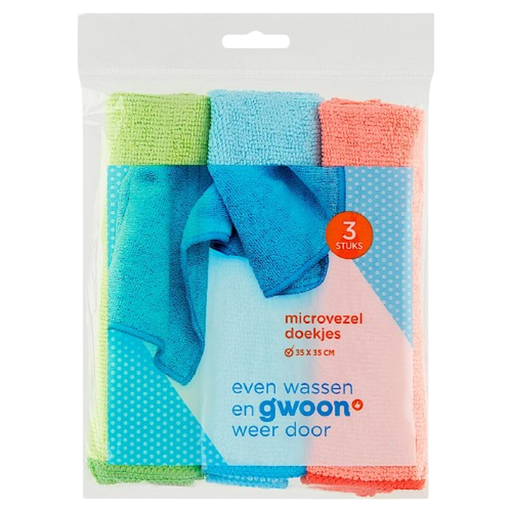
Why it suits this profile: A compact set of three microfibre cloths for everyday tasks in a smaller household or as an addition to your existing cleaning cloths.
The number of cloths and the type of cloth are clearly stated, so you do not have to judge the pack by its appearance alone.
Microfibre; three cloths; designed to pick up dirt and dust from various surfaces.

Why it suits this profile: For anyone who pays attention to fibre density and wants to choose one specific cloth for the kitchen, car, office or delicate smooth surfaces.
The product information states the size of 30 x 30 cm and a density of 260 g/m². This allows you to compare more precisely than by relying on vague terms alone.
260 g/m²; machine washable up to 60 °C according to the product information; suitable for dry or damp use.
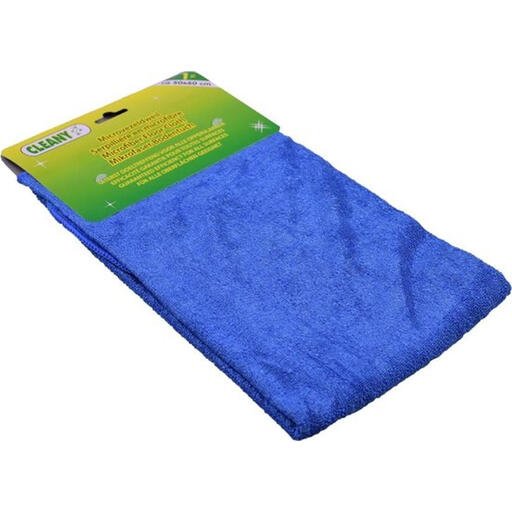
Why it suits this profile: The larger size is designed for floors and suits households or small businesses that regularly clean larger surfaces.
The 50 x 60 cm dimensions and suitability for several types of smooth flooring are clearly stated. This helps you avoid choosing a cloth that is too small for the job.
50 x 60 cm; one cloth; according to the product information, washable up to 90 °C and suitable for laminate, tiles, PVC and treated wood, among other surfaces.
We have put together a complete, up-to-date list of products that fully meet these strict selection criteria and the applicable European safety regulations.
Use a consistent colour system: for example, one colour for the kitchen, one for the bathroom and one for furniture or electronics. Rinse dishcloths and sponge cloths thoroughly before first use if the label says to do so. For screens and lenses, use an almost dry cloth and apply very little pressure.
Washable cleaning cloths stay usable for longer when you rinse them after use, leave them spread out to dry and wash them according to the care instructions. Do not use fabric softener with microfibre if the product information advises against it. Dispose of disposable dusting cloths after use; check beforehand that they are suitable for your floor or mop.
Fine microfibre cloths or specialist glass cloths are practical for windows and mirrors. Remove sand and loose dirt first to help prevent scratches. Use a clean, low-lint cloth and do not use too much moisture. Whether the result is streak-free also depends on the surface, the amount of cleaning product and how dry the cloth is.
That depends on how they are used. Ideally, wash dishcloths and kitchen cloths after intensive use. Microfibre cloths used for light dusting can sometimes be used for longer, but should be rinsed when visibly dirty. Always follow the care label and allow cloths to dry completely.
They can be, particularly if you clean frequently and can wash the cloths several times. Compare the purchase price, number of cloths, permitted washing temperature and expected usable life. Disposable cloths may be more convenient for quick dusting, but you will need to buy new ones each time.
