
Vandaag of morgen in huis

Kwaliteit gegarandeerd

Welkomstaanbiedingen ontgrendelen: GRATIS bezorging | Tot 80% korting | Gratis 30 dagen JoyPlus-proefperiode
Download de app
A supply of cleaning cloths might seem straightforward, but you’ll soon notice the difference between a handy cloth and a poor buy. A cloth might be too small for large surfaces, leave lint on glass or lose its shape after a few washes. Dishcloths, microfibre cloths and sponge cloths are also sometimes sold as if they’re interchangeable, even though each has a different use.
When shopping, look out for these three common pitfalls:
With the right combination of cloths for the kitchen and bathroom, dusting cloths and, if needed, a sponge, you can clean more efficiently and avoid replacing items unnecessarily.
The material determines how a cloth performs:
A product description may mention features such as “streak-free” or “soft”. Treat these as claims made by the seller, and always check the stated uses and care instructions.
A size of around 30 x 30 cm is practical for windows, mirrors, worktops and everyday cleaning. Larger dishcloths, such as those measuring 32 x 38 cm, give you more surface area for washing-up and drying.
As well as the number of cloths, check:
A colour-coding system can be useful: for example, use blue dishcloths in the kitchen and a different colour in the bathroom. This helps prevent the same cloth from being used in different rooms.
Reusable cleaning cloths are only practical if they can be washed and dried properly. Check whether the cloth can be washed at 60 °C, whether fabric softener is not recommended and whether it’s suitable for tumble drying.
Disposable or static dusting cloths involve a different trade-off. They’re handy for quick dry dusting, but create more waste with each clean. Use static cloths as instructed, usually on a dry surface. For sponge cloths, it’s important to follow any warnings, such as not using undiluted bleach.
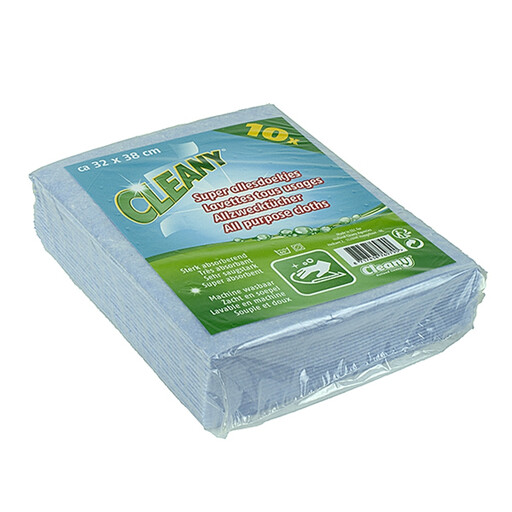
Why it suits this need: A pack of ten generously sized cloths is practical for households that like to replace their dishcloths regularly. The blue colour can also help you assign cloths to specific rooms.
The pack size of 10 and the dimensions of 32 x 38 cm are clearly stated. This makes it easier to compare the price per cloth and work out how many you need.
10 cloths per pack; measures 32 x 38 cm; suitable for the kitchen, bathroom and other surfaces according to the product description.
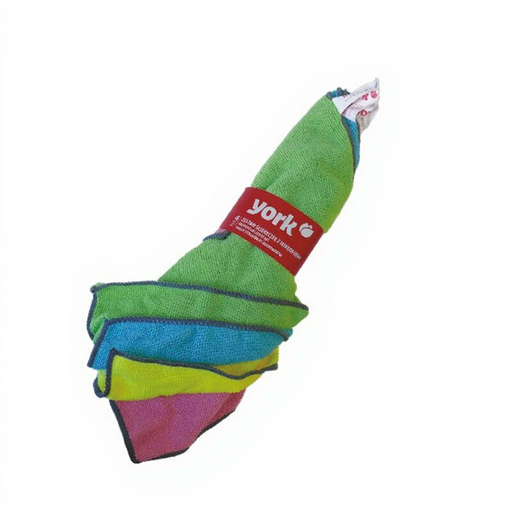
Why it suits this need: This set is ideal for households looking for one type of cloth to use on windows, mirrors, screens and other smooth surfaces.
The product information states the size, that the cloths can be washed repeatedly and that they’re suitable for smooth surfaces. This makes it easier to assess them than a general claim about cleaning power.
4 cloths measuring 30 x 30 cm; suitable for dry or damp use; machine washable according to the product description.
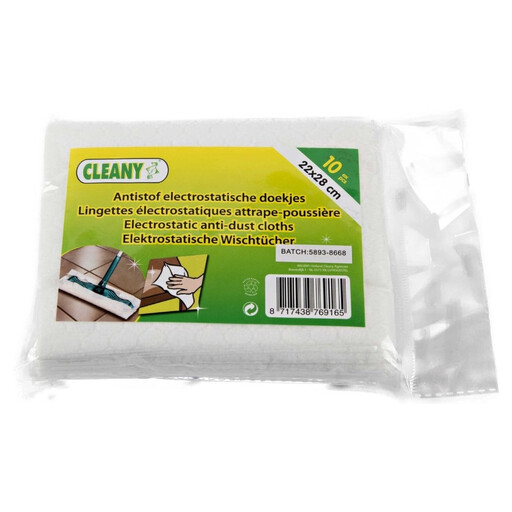
Why it suits this need: Handy if you want to quickly dust floors and hard surfaces with a compatible system.
The instructions specify dry use, and the product details list suitable floor types. So it’s clear that these are dusting cloths, not wet dishcloths.
10 cloths; measures 22 x 28 cm; suitable for laminate, PVC, tiles and linoleum, among other surfaces, according to the product details.
We’ve put together a complete, up-to-date list of products that meet these strict selection criteria and the applicable European safety regulations.
If you’re looking to buy dishcloths for everyday use, you could also consider Cleany Dishcloth, pack of 3. This compact set is ideal for a small household or as an addition to your existing kitchen cloths.
If you prefer cellulose, Parex Microfiber Comfort Cloths, 4 pieces are worth considering. They measure 38 x 28 cm and are stated to be washable at up to 60 °C. According to the product information, Multy G'Woon Dish Cloths, 2 pieces are made from bamboo fibres and carry an OEKO-TEX label. Always check the packaging and product information when you see claims like these.
For baked-on residue, there are specific options such as Cleany stainless steel scourers, set of 3 or Titiz Eco Dishwashing Sponge, 10 pieces. Use these only on surfaces that are suitable for scouring. A standalone cellulose cleaning sponge can be handy for larger surfaces, but it isn’t intended as a replacement for a soft microfibre cloth.
It depends on how you use them, the material and your washing routine. Replace a cloth if it continues to smell unpleasant, becomes damaged or no longer comes clean properly. Let used dishcloths dry completely and wash them according to the label. Keeping several cloths in stock means you won’t have to keep using a damp one for too long.
Microfibre cloths with a soft, low-lint texture are often recommended for glass and mirrors. Use a clean cloth and check the product instructions first. Avoid fabric softener if the manufacturer advises against it, as it can affect the properties of the fibres.
That depends on the purchase price, lifespan, washing costs and how often you use them. Reusable cloths can be handy for everyday cleaning, while disposable static dusting cloths can save time when you need to dust quickly without using water. So don’t just compare the price per pack: consider how many times you can use them and what care they need.
