
Vandaag of morgen in huis

Kwaliteit gegarandeerd

Welkomstaanbiedingen ontgrendelen: GRATIS bezorging | Tot 80% korting | Gratis 30 dagen JoyPlus-proefperiode
Download de app
A good range of cleaning cloths can make household chores easier to organise, but not every cloth is right for every task. A washing-up cloth for the worktop works differently from a microfibre cloth for glass. Even a cheap set of cleaning cloths can prove impractical if the cloths quickly start to shed fibres, absorb little moisture or lose their shape after a few washes.
So don’t focus only on the number of cloths or a catchy marketing claim. Pay particular attention to the material, size, washability and intended use.
A pack containing lots of disposable cleaning wipes may seem like good value, but the cost per use can add up. With reusable cleaning cloths, it’s more important to check whether they’re machine washable and what temperature is specified in the product information.
A cloth for floors, the kitchen and windows won’t necessarily have the same qualities. For glass, you’ll need a low-lint cloth. For greasy surfaces, absorbency matters. Electrostatic cloths are mainly designed to attract dry dust, hair and light particles. They’re no substitute for damp cleaning when dealing with dried-on dirt.
A small 30 x 30 cm cloth is handy for furniture, a desk or the car, but less effective on large floors. Mop cloths need to match the size of your mop. Also check whether a cloth has a rough scrubbing layer. This can be useful for stubborn dirt, but is less suitable for delicate surfaces.
Microfibre cloths are made from fine fibres that, according to the product description, can pick up dust, dirt and grease. They’re suitable for everyday cleaning of kitchen worktops, furniture, bathroom fittings and cars, among other things. A density of 260 g/m², as specified for one of the cloths below, gives you a concrete point of comparison for the amount of material.
For damp tasks, such as washing-up and kitchen cleaning, absorbency and quick-drying performance are important. A cloth that stays damp for a long time needs extra care when rinsing and drying.
Common sizes are around 30 x 30 cm for general cleaning and approximately 40 x 60 cm for kitchen cloths. A larger cloth can cover more area in one go, while a smaller one is easier to wring out and store.
When choosing a set of cleaning cloths, check:
Reusable cloths reduce the number of cloths used for each clean, but they need to be rinsed and washed thoroughly after use. Always follow the care label. The product information for the 30 x 30 cm microfibre cloth says it can be washed at up to 60 °C, without fabric softener.
Disposable cleaning wipes and dusting cloths are handy for quick cleaning or when you want to throw a cloth away straight after use. Put used cloths in your general waste unless the packaging says otherwise. Don’t flush them down the toilet.
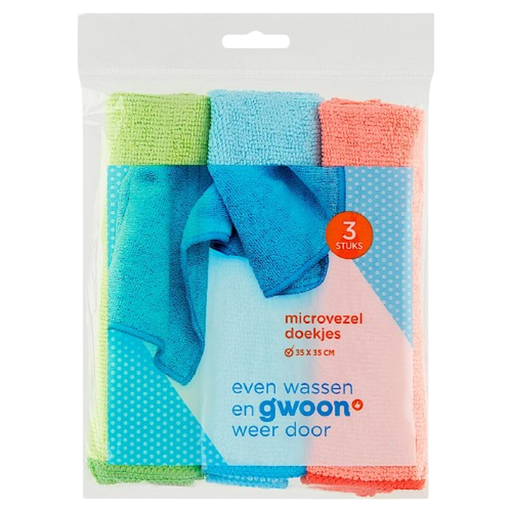
Why it suits this profile: A compact set of three microfibre cloths makes a handy starter set for the kitchen, bathroom and furniture. The product description says they pick up dust and dirt from a range of surfaces.
The pack size of three cloths is clearly stated. You’ll know in advance that this isn’t a bulk pack, but a small starter set for different rooms.
Three microfibre cloths in one bag; suitable for everyday cleaning of a range of surfaces.

Why it suits this profile: This cloth has a specified density of 260 g/m², measures 30 x 30 cm and is designed for glass, screens, stainless steel, kitchens, cars and offices, among other uses.
The relevant technical details are clearly specified. You don’t have to rely solely on general claims such as “extra absorbent”.
Machine washable at up to 60 °C according to the product information; low-lint texture and suitable for dry or damp cleaning.
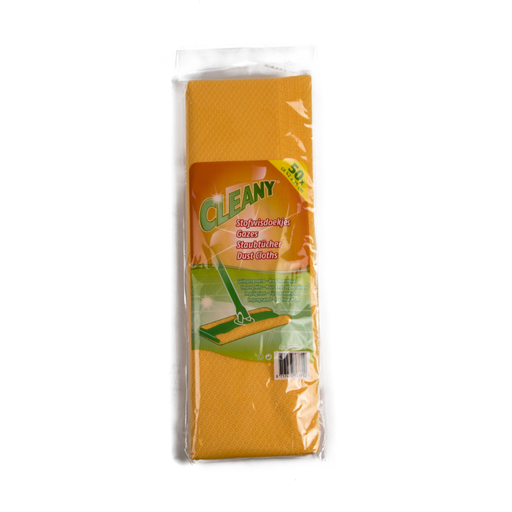
Why it suits this profile: These mop cloths measure 42 x 25 cm and, according to the product description, fit many standard mops. They’re designed to quickly pick up dust and hair from laminate, tiles, PVC and parquet, among other flooring types.
The size and pack quantity of 50 are clearly stated upfront. Be sure to check the width of your mop before ordering.
50 disposable cloths; electrostatic action according to the product description; suitable for dry cleaning on a range of hard floor types.
We’ve put together a complete, up-to-date list of products that meet these strict selection criteria and the applicable European safety regulations.
For hygienic cleaning, use separate cloths for the kitchen, bathroom, toilet and general surfaces. Colour-coding helps prevent mix-ups. Rinse reusable cloths thoroughly after use and let them dry completely before putting them away.
For glass, a dry or slightly damp cloth often works better than one that’s soaking wet. Remove sand and loose dirt first to prevent scratches. When using new cloths on delicate materials, painted furniture or screens, test them on an inconspicuous area first.
Choose glass cloths with a low-lint texture and use them slightly damp. A separate dry cloth can help remove any remaining moisture and streaks. Always check the product information, as not every microfibre cloth is specifically designed for glass.
It depends on how you use them. Wash a cloth after it’s been used on grease, bathroom fittings or visible dirt. For light dusting, rinsing may be enough, but follow the product’s care label. Don’t use fabric softener with microfibre cloths if the product information advises against it.
It depends on how often you use them. Disposable wipes save time for quick cleaning, while reusable cloths can work out cheaper per use if you wash and care for them properly. So compare the price per cloth and the number of times you expect to use it.
