
Vandaag of morgen in huis

Kwaliteit gegarandeerd

Welkomstaanbiedingen ontgrendelen: GRATIS bezorging | Tot 80% korting | Gratis 30 dagen JoyPlus-proefperiode
Download de app
Having a few cleaning cloths around the house might seem sufficient – until you get streaks on your windows, find kitchen cloths holding onto grease, or notice dishcloths turning musty after a short time. The difference isn’t just about price. Material, size, care instructions and the intended surface all determine whether a cloth remains practical for everyday use.
In this buying guide from the Joybuy Product Recommendation Officer, you’ll discover what to look for in cleaning cloths, microfibre cloths, glass cloths and reusable options.
A cloth that works well on a worktop isn’t automatically suitable for windows, screens or wooden floors. A coarse texture can loosen dirt effectively, but it’s less appropriate for delicate surfaces. For glass and mirrors, lint-free glass cloths with a suitable texture are far more practical.
A large cleaning cloth set might seem like good value, but first check the size, material and washability. Ten thin cloths aren’t always more convenient than four sturdy, absorbent cleaning cloths. Also look to see whether the cloths come in different colours. This allows you to keep kitchen, bathroom and toilet cloths separate, for example.
Reusable cleaning cloths can often go in the washing machine, but incorrect washing reduces their effectiveness. Fabric softener can coat the fibres of microfibre cloths, making them less able to absorb moisture and dirt. Some products can be washed at 60 °C, while others, according to the product information, should only be cleaned at a maximum of 40 °C.
Microfibre is typically made from very fine fibres that can trap dust, dirt and grease. A cloth can be used dry for dust or light dirt, or damp for a more thorough clean. The product description will tell you whether a cloth is suitable for glass, stainless steel, furniture, floors or electronics.
Pay attention to the precise description:
A higher density, expressed in g/m², can indicate more material per square metre. However, this is not an independent guarantee of quality. Always also check the finish, size and usage instructions.
A 30 × 30 cm cloth is easy to fold and suitable for daily tasks. A larger size, such as 50 × 70 cm, can absorb more moisture and is handy for floors or large, smooth surfaces. For windows and car windscreens, 35 × 35 cm is often easy to handle.
The right size depends on the job:
With a floor cloth or mop, also check the attachment. A Velcro fastening can prevent the cloth from coming loose during cleaning. For floors, you should also check whether the manufacturer considers the product suitable for tiles or wooden floors.
Washable cleaning cloths are practical when you let them dry thoroughly after use. Rinse a wet cloth, wring out excess water and hang it up loosely. A cloth that stays damp for a long time can develop an unpleasant smell.
Check before purchase:
An OEKO-TEX certification relates to certain textile tests and should not be taken as proof that a cloth removes dirt better. Terms such as “antibacterial” or “antimicrobial” should also be viewed in the context of the product information. According to a brand’s product description, such a feature is not a general guarantee for the hygiene of your household.
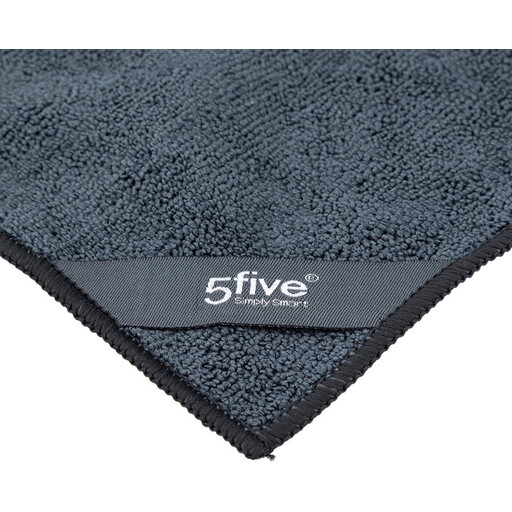
Why this fits the profile: A compact set with three colours for daily tasks around the house or office. According to the product information, the cloths can be used dry or damp.
The specifications state the size of 40 × 30 cm, the composition of polyester and polyamide, and a washing instruction of 40 °C.
Set of 3; three colours; suitable for smooth surfaces; machine washable at 40 °C according to the product information.
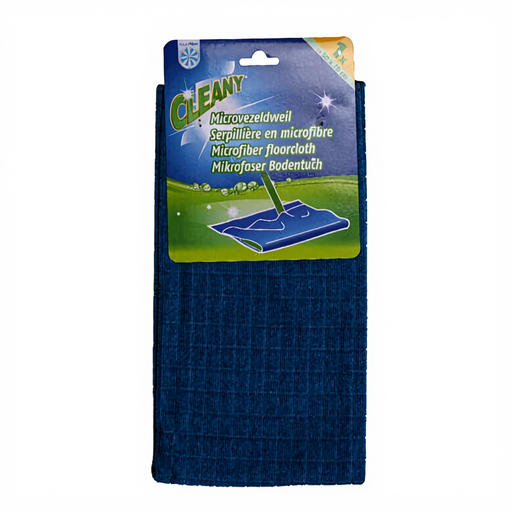
Why this fits the profile: This large microfibre mop cloth is designed for windows, tiles and other smooth surfaces where a greater reach is desirable.
The size and stated density of 380 g/m² make the cloth clearly more suitable for larger surfaces than a small hand cloth.
Size 50 × 70 cm; Velcro fastening according to the product description; washable and disinfectable at 60 °C.
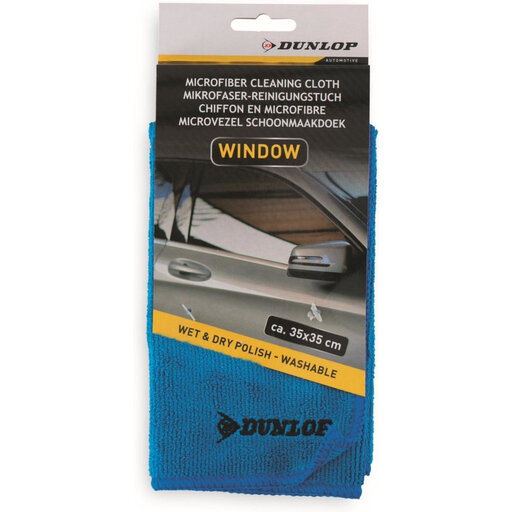
Why this fits the profile: A targeted choice for car windscreens and glass. The 35 × 35 cm size is suitable for controlled work on smaller, smooth surfaces.
The cloth is specifically described as a glass cloth, so you don’t have to rely on a general claim for all surfaces.
35 × 35 cm; structure for glass according to the product description; rinseable with warm or cold water and reusable.
We’ve put together a full, up-to-date list of products that fully meet these strict selection criteria and comply with current European safety regulations.
For streak-free cleaning, use as little cleaning product as possible. Too much product can leave a film on glass and high-gloss surfaces. Work with a clean cloth and fold it several times so that you use a fresh section for each surface.
Wash used cloths according to the label and keep cloths for the toilet and kitchen separate. Allow them to dry completely before storing them. For a household with several people, a set of 10 or more microfibre cloths is practical; small businesses should pay attention to colour coding, stock levels and a regular washing routine.
A lint-free microfibre cloth or a specialist glass cloth is generally a practical choice. Use a clean cloth, not too much cleaning product, and wipe the surface dry. Always check whether the product description lists glass and mirrors as suitable applications.
That depends on use, material and care. Replace a cloth when the fibres start to shed, the cloth is permanently stained or smells unpleasant, or it no longer absorbs enough moisture after correct washing. A fixed replacement date does not apply to all materials.
This is not recommended for many microfibre products. Fabric softener can affect the fibre structure and therefore reduce the absorption of dirt and moisture. Follow the washing instructions for the specific product and, if in doubt, use a normal wash programme without fabric softener.
