
Vandaag of morgen in huis

Kwaliteit gegarandeerd

Welkomstaanbiedingen ontgrendelen: GRATIS bezorging | Tot 80% korting | Gratis 30 dagen JoyPlus-proefperiode
Download de app
Cleaning cloths might seem straightforward, but you’ll quickly notice the difference between a handy cloth and a poor purchase. A cloth may not absorb enough moisture, leave lint behind, or lose its shape after just a few washes. What’s more, different materials and uses are often grouped under one general product name.
So don’t just look at the number of cloths in a pack. Pay close attention to the material, the dimensions, how to care for them, and the surface you intend to clean.
A cleaning cloth set with ten or twenty pieces might seem like good value, but small cloths aren’t always practical for a floor, table, or large kitchen worktop. Check the dimensions and compare the price per cloth. For everyday use, several compact microfibre cloths can be handy, whereas a floor cloth needs to cover more surface area.
The kitchen, bathroom, toilet, and car don’t necessarily call for the same cloth. Where possible, use different colours for different rooms. This reduces the chance that a cloth used for the toilet later ends up on the worktop. A set with multiple colours, such as blue, yellow, and grey, makes this system easier to manage.
A manufacturer may claim that a glass cloth leaves no streaks, but the result also depends on dust, dirt, the amount of cleaning product, and how dry the cloth is. For windows and mirrors, start with a clean cloth and remove any coarse dirt first. Wash microfibre cloths without fabric softener; residue from softener can affect their absorbency.
Microfibre cloths are typically made from polyester and polyamide. According to the product descriptions of various models, they are suitable for dry dusting and damp cleaning. Their fine structure can pick up dust and dirt without needing much cleaning product. Do check whether the manufacturer states a washing temperature and whether bleach or fabric softener is not recommended.
Dishcloths and viscose cloths are especially practical for the kitchen. They are easy to wring out and suitable for wet surfaces. Cotton polishing cloths feel softer and can absorb a lot of moisture, but they sometimes dry more slowly. This makes thorough rinsing and complete drying even more important.
For small cleaning tasks, sizes around 30 × 30 cm are manageable. A larger floor cloth, for example 50 × 60 cm, makes more sense for mopping or large surfaces. With microfibre, the density may also be stated in g/m². A higher density doesn’t automatically mean the cloth is suitable for every task, but it does give extra information about the structure and weight.
A cloth measuring 30 × 30 cm is handy for the kitchen, bathroom, car, and office. For windows, mirrors, and glass tables, a cloth of around 35 × 40 cm can offer more working surface.
Reusable cleaning cloths are only practical if they wash and dry well. Look out for:
Only store washable cleaning cloths when they are completely dry. A damp cloth in a sealed bucket or cupboard can start to smell unpleasant.
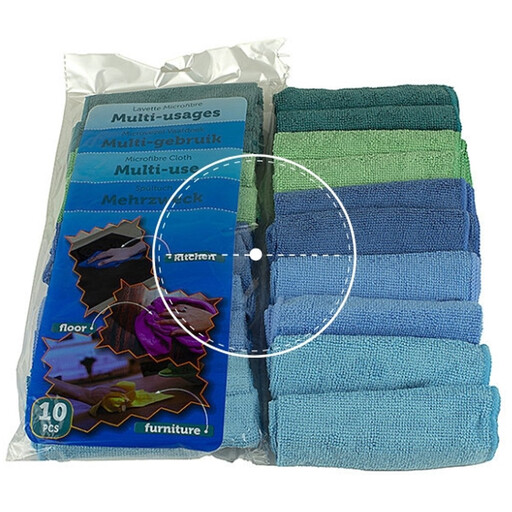
Why this fits the profile: According to the product description, the set contains ten microfibre cloths measuring 30 × 30 cm in different colours. That’s practical for everyday tasks in multiple rooms.
The fixed size and colour coding make it easier to separate cloths by room or task, rather than using one cloth everywhere.
Ten pieces, microfibre material, 30 × 30 cm, and according to the description washable and reusable.
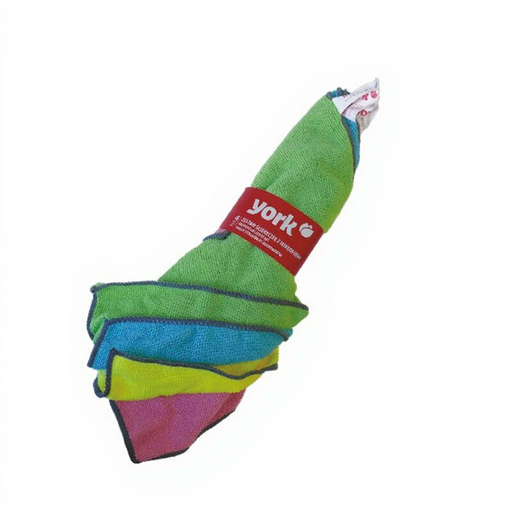
Why this fits the profile: This set is designed for smooth and delicate surfaces such as windows, mirrors, screens, and lenses. The cloths can be used dry or damp.
The product description mentions a soft structure and use without or with very little cleaning product. Always test an inconspicuous area first on delicate materials.
Four cloths measuring 30 × 30 cm, according to the description absorbent, quick-drying, and suitable for dry and wet cleaning.
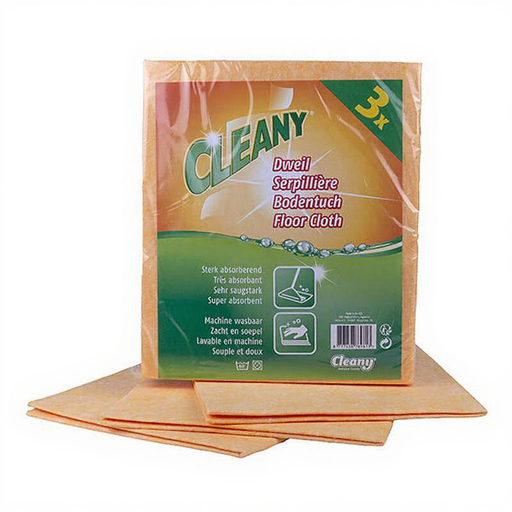
Why this fits the profile: If you clean floors often, a large size is far more useful than small polishing cloths. This set contains three floor cloths measuring 50 × 60 cm.
The size is clearly stated, so you won’t accidentally pick a small cloth for mopping or a large floor area.
Three pieces, large size of 50 × 60 cm, and designed as a floor cloth according to the product information.
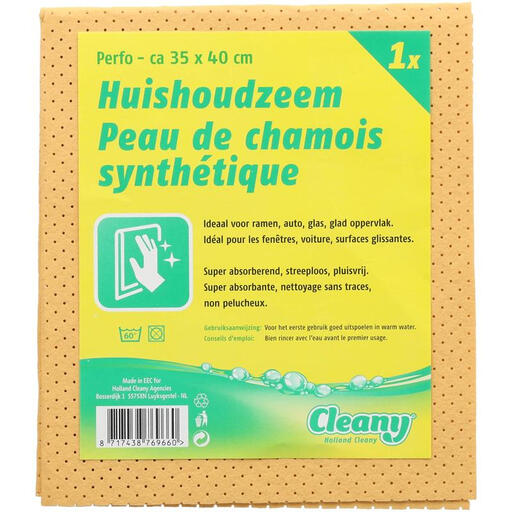
Why this fits the profile: According to the product description, this cloth is intended for windows, cars, glass, and other smooth surfaces.
The intended use is more specific than with general cleaning cloths. This means you’re using a cloth that matches the finish you want.
Size of 35 × 40 cm; according to the description absorbent, lint-free, and designed for streak-free cleaning.
We’ve put together a full, up-to-date list of products that fully meet these strict selection criteria and comply with current European safety regulations.
For a practical system at home, you can follow this guide:
Rinse a cloth thoroughly after use, wring it out, and hang it open to dry. Wash cloths for different rooms separately when it’s practical to do so. Always follow the care label; product information can vary between versions.
That depends on how you use them. A cloth for dust can be used for longer than one used for raw food scraps or sanitaryware. Wash heavily soiled cloths straight away and don’t leave used cloths crumpled and wet.
This is not recommended for many microfibre cloths, because fabric softener can coat the fibre structure. The cloth may then absorb less moisture and dirt. Always check the care instructions for the specific product.
First remove dust and grit with a separate cloth. Then use a clean, slightly damp glass cloth and work from top to bottom. Too much cleaning product or a dirty cloth can actually cause streaks. Let the cloth dry completely before storing it.
