
Vandaag of morgen in huis

Kwaliteit gegarandeerd

Welkomstaanbiedingen ontgrendelen: GRATIS bezorging | Tot 80% korting | Gratis 30 dagen JoyPlus-proefperiode
Download de app
A cloth for the kitchen isn't automatically suitable for glass, electronics or the floor. Yet many packets look remarkably similar. As a result, you can end up paying for a large number of disposable cloths when what you really need are reusable cleaning cloths. Or you might choose a microfibre cloth that leaves streaks because it's been washed with fabric softener.
When it comes to cleaning cloths, pay close attention to the material, the size and how you intend to use them. A household with pets, for example, has different needs to someone who mainly cleans mirrors and laptops.
A pack of 50 or 72 cloths might look like a bargain. With disposable cleaning cloths, however, you're constantly buying a new supply. That can be handy for a quick dust, but less practical if you're cleaning several rooms every day.
Washable cleaning cloths can be a better fit for regular use over the long term. Always check the washing instructions, though. Some microfibre cloths, for instance, shouldn't be washed with fabric softener or bleach, as this can affect the fibre structure.
A dry microfibre cloth is good for dust, while a slightly damp cloth works better on grease or dried-on dirt. Glass cloths are designed for cleaning glass, but a general-purpose cloth can also do the job if you keep it clean and lint-free.
For screens and electronics, don't apply harsh cleaning products directly onto the cloth unless the product packaging says it's safe. Also, always test on an inconspicuous area first when dealing with delicate surfaces.
Static dust cloths and other electrostatic cloths are useful for dry dust, hair and light particles. They aren't designed to remove stubborn stains or grease. For a floor with a spilled drink, you'll need a damp cloth or a mop cloth.
The size is also often underestimated. A cloth measuring 22 x 28 cm might fit a floor mop, whereas a 30 x 30 cm cloth is more comfortable for furniture, worktops and washbasins.
Microfibre cloths are typically made from synthetic fibres such as polyester and polyamide. Their fine structure makes them suitable for dry dusting and damp cleaning. Product information for various microfibre cloths mentions use on glass, mirrors, stainless steel, furniture and electronics.
Viscose and sponge cloths absorb moisture well and are practical for the kitchen and bathroom. They're often easy to wring out. Pay attention to warnings: for example, the Cleany viscose sponge cloths state that you shouldn't use undiluted bleach or apply cleaning products directly onto the cloth.
A size of 30 x 30 cm is a practical middle ground for household use. For floors, larger cleaning cloths for floors are more convenient, such as 42 x 25 cm. Check whether floor cloths fit your mop. "Suitable for Swiffer" doesn't automatically mean every cloth has the exact same attachment or dimensions.
With microfibre, density can also be relevant. A cloth with 260 g/m² gives a concrete weight per square metre. That provides more information than a vague description like "extra thick". It doesn't tell you everything about the cleaning experience, but it does help you compare products more consistently.
Reusable cleaning cloths are a good choice when you regularly clean several rooms and have a washing routine. It's best to keep cloths for the toilet, kitchen, windows and furniture separate, for example by using different colours.
Disposable cleaning cloths are practical for a quick dust or for areas where you want to throw the cloth away immediately. However, they do create more waste. So look at the number of cloths per pack and how often you expect to use them, rather than just the price of the pack.
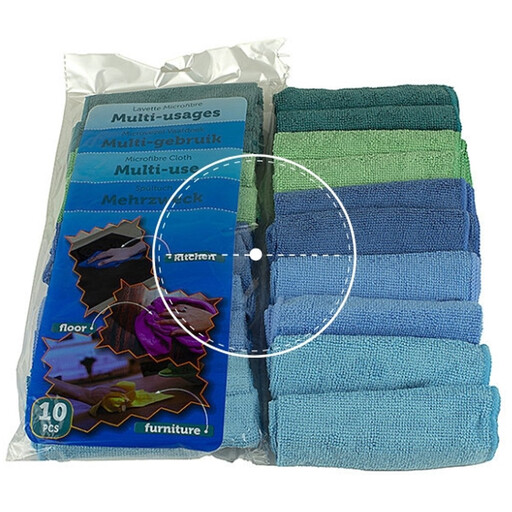
Why this fits the profile: The set contains 10 microfibre cloths in different colours, making it easy to distinguish between rooms or tasks.
You get a fixed set with a clear size and reusable properties, rather than just a large number of non-reusable cloths.
10 pieces, microfibre, 30 x 30 cm, washable and suitable for dry or damp wiping.

Why this fits the profile: The stated density of 260 g/m² provides a verifiable benchmark for anyone comparing materials and finish.
The product information lists the size, density and washability, so you don't have to rely solely on marketing terms.
30 x 30 cm, 260 g/m², machine washable up to 60 °C according to the product information and suitable for household use.
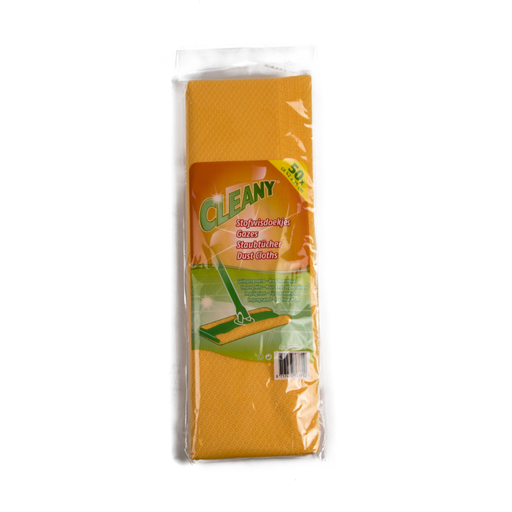
Why this fits the profile: If you're removing dust, hair and fluff from hard floors every day, a large number of suitable disposable cloths is a real benefit.
The size of 42 x 25 cm and the stated compatibility with standard mops make the choice more specific than a general dust cloth.
50 pieces, 42 x 25 cm, for single use and according to the product description suitable for wood, tiles, laminate and PVC.
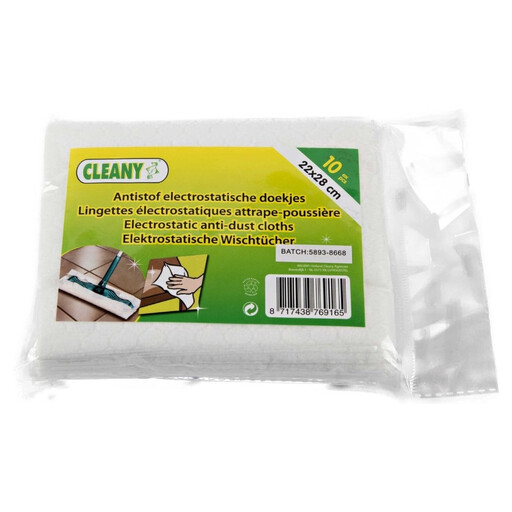
Why this fits the profile: These dry floor and dust cloths are designed for hard surfaces and can be used with a suitable floor mop.
The cloths are explicitly for dry use and measure 22 x 28 cm. This means you won't accidentally use them as a mop cloth for wet dirt.
10 cloths, electrostatic action and stated suitability for cork, laminate, linoleum, parquet, PVC and tiles, among others.
We've put together a full, up-to-date list of products that fully meet these strict selection criteria and comply with current European safety regulations.
Choose a lint-free microfibre cloth or one that's specifically sold as a glass cloth. Use the cloth clean and, ideally, keep a separate one for windows and mirrors. A dry cloth removes dust; a slightly damp cloth helps with fingerprints and smears.
Always follow the care label. Many products can be machine washed, sometimes at up to 40 or 60 °C. Don't use fabric softener if the product information advises against it, and wash cloths with a lot of grease or dirt separately from clothing. Allow them to dry thoroughly before storing.
That depends on how you use them. Disposable cloths require little maintenance and are handy for quick cleaning, but you'll keep buying new supplies. Reusable cloths have a higher or similar purchase price per set, but can be washed multiple times. So compare the cost per use, the number of pieces and the washing instructions.
