
Vandaag of morgen in huis

Kwaliteit gegarandeerd

Welkomstaanbiedingen ontgrendelen: GRATIS bezorging | Tot 80% korting | Gratis 30 dagen JoyPlus-proefperiode
Download de app
Cleaning cloths might seem straightforward, but the wrong type can leave streaks, shed lint, cause odours or wear out quickly. A dishcloth that works well for washing up isn’t automatically suitable for a mirror. And a bulk pack isn’t always good value if the cloths lose their shape after a few uses.
When buying, watch out for three common pitfalls:
With the right combination of microfibre cloths, dishcloths, glass cloths and dusters, you can avoid spreading dirt from one room to another.
Microfibre is usually made from polyester and polyamide. According to product descriptions from various brands, the structure can trap dust and dirt when used dry, and help remove grease when the cloth is damp. Microfibre cloths are therefore practical for smooth surfaces such as glass, stainless steel, mirrors and furniture.
Viscose or cellulose generally feels different and is often used for dishcloths and damp cleaning cloths. These cloths are handy for spills, washing up and wiping down worktops. After use, make sure they can dry properly; a damp cloth left on the counter can start to smell unpleasant more quickly.
For windows and mirrors, lint-free glass cloths or a chamois-style cloth are a logical choice. Use one cloth to remove coarse dirt first, then a clean cloth for the finishing touch.
The dimensions determine how much surface you cover with each movement and how easily you can wring out the cloth. Many products measure around 30 x 30 cm or 32 x 38 cm. That size works well for daily tasks in the kitchen, bathroom or car.
A larger cloth, such as 35 x 40 cm, can be practical for windows, doors and car bodywork. For small surfaces, screens or hard-to-reach spots, a compact size is actually more comfortable to use.
Also look at the actual number of pieces in the pack. Product titles and packaging information can sometimes differ. So always check the product specifications before you order.
Reusable cleaning cloths are only practical if they wash well. Pay attention to:
For microfibre cloths, product information often recommends not using fabric softener. It can affect how the fibres work. For the toilet, floor, kitchen and bathroom, it’s best to use different colours. That way, you can make colour coding part of your cleaning routine.
The selection below is based on verifiable information such as material, dimensions, number of pieces and usage instructions. Brand descriptions about absorbency or cleaning results are presented as product information, not as independently verified outcomes.
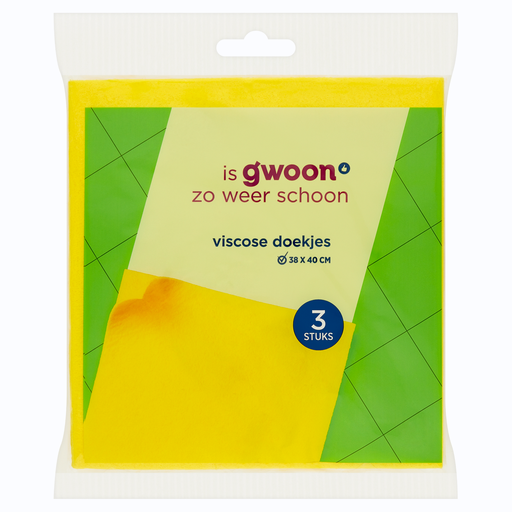
Why this fits the profile: This set of three viscose cloths is a straightforward starting point for the kitchen, bathroom and general cleaning. According to the product information, the cloths should be rinsed in warm water before first use.
The clear quantity of three pieces makes it easier to divide tasks or rooms, rather than using one cloth for everything.
Three cloths; suitable for kitchen and bathroom according to the product description; storage advice: keep dry.
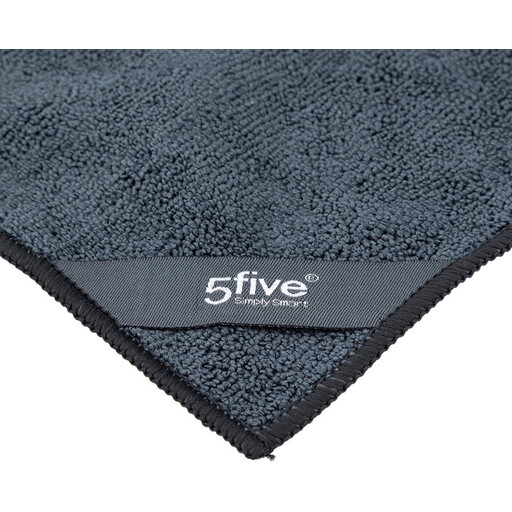
Why this fits the profile: The set contains three microfibre cloths measuring 40 x 30 cm in different colours. The product description mentions dry use for dust and damp use for dirt and grease on smooth surfaces.
The colours support a fixed division of tasks. This reduces the chance of using the same cloth for, say, the kitchen and bathroom.
Size 40 x 30 cm; polyester and polyamide construction according to the product data; machine washable at 40 °C according to the care instructions.
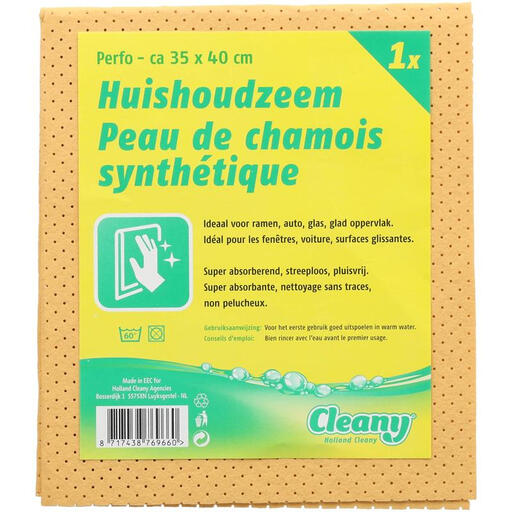
Why this fits the profile: According to the product information, this cloth is intended for windows, cars, glass and smooth surfaces. The 35 x 40 cm size offers plenty of grip on larger areas.
A cloth specifically described for glass and cars prevents you from using a general dishcloth on surfaces where lint or streaks are a problem.
Size 35 x 40 cm; suitable for windows, cars, glass and smooth surfaces according to the product specification; rinse with warm water before first use.
Work from clean to dirty and use a different colour for each room. Rinse a cloth thoroughly after use and let it dry completely. For reusable cleaning cloths, regular washing is important. Always follow the label; some cloths can be washed at 60 °C, while others need a gentler programme.
Do not use undiluted bleach on products where it is not allowed. On delicate surfaces such as screens and varnished furniture, test a cleaning product on an inconspicuous area first. Apply cleaner according to the instructions on the packaging rather than automatically spraying it directly onto the cloth.
We’ve put together a full, up-to-date list of products that fully meet these strict selection criteria and comply with current European safety regulations.
Wash reusable cloths as soon as they are visibly dirty, hold onto odours or are being used for a different room. Kitchen and bathroom cloths usually need replacing or washing more often than cloths used for dry dusting. Always follow the manufacturer’s washing instructions.
Yes, microfibre cloths are often used for glass and mirrors. Choose a clean, lint-free cloth and remove any sand or coarse dirt first. According to product descriptions, certain microfibre cloths can be used dry or slightly damp. The final result also depends on the amount of cleaning product and how you buff the surface.
For a small household, a set of three to five cloths is a practical start. Families, shared houses and households with pets often benefit from a larger set of cleaning cloths, so used cloths can be set aside straight away. For daily use across multiple rooms, sets of ten or more pieces are handy.
