
Vandaag of morgen in huis

Kwaliteit gegarandeerd

Welkomstaanbiedingen ontgrendelen: GRATIS bezorging | Tot 80% korting | Gratis 30 dagen JoyPlus-proefperiode
Download de app
A cleaning cloth may seem like a simple household essential, but choosing the wrong one can quickly become frustrating. A dishcloth that stays wet, a microfibre cloth that leaves fluff behind or a sponge that’s too rough for car paint can all cost you extra time and money. Use this practical checklist to compare cleaning cloths by material, size, care requirements and intended use.
A large pack may look like good value, but first check the number of cloths, size and whether they’re reusable. A set of three sturdy microfibre cloths may be more useful for everyday tasks than a larger pack of thin, disposable cloths. With disposable options, you also pay again each time you use one.
The kitchen, bathroom, windows and car don’t always call for the same material. Grease and food residue can spread if you use the same dishcloth everywhere. Where possible, use different colours or separate sets for the kitchen, bathroom, furniture and car.
Terms such as “extra absorbent”, “streak-free” or “scratch-free” only tell you so much unless the product details back them up. Check information such as material, dimensions, washing instructions, weight per square metre and the number of cloths. A brand’s claims about performance aren’t a guarantee that a product will suit every surface or cleaning task.
Microfibre cloths are usually made from polyester and polyamide. Their fine fibres are suitable for dust, dirt and light grease. A density of, for example, 260 g/m² gives you a more useful point of comparison than a description such as “high-quality microfibre”. Microfibre can be used dry for dusting or slightly damp for more thorough cleaning.
Cotton and viscose cloths are often a good choice for absorbent cloths, kitchen tasks and mopping up spills. Sponge cloths are easy to wring out, making them well suited to washing-up and wet cleaning. Always check whether bleach is safe to use on viscose or sponge cloths.
Disposable cloths can be handy for personal hygiene, travel or one-off tasks. Dispose of used cloths according to the packaging, and don’t flush them down the toilet unless the packaging explicitly says you can.
A 30 x 30 cm cloth is handy for mirrors, furniture, kitchen worktops and car interiors. Larger cloths give you more coverage for windows or the bodywork of a car. Smaller cloths are easy to take with you when travelling or to keep in a cleaning bucket.
For car care, size isn’t the only thing that matters. Choose a soft cloth or sponge, rinse off any sand and dirt first, and wet the surface before rubbing. This helps reduce the risk of scratches. A dedicated car cleaning cloth, wash mitt or car sponge is a more sensible choice than an ordinary dishcloth.
Check whether cleaning cloths are reusable and machine washable. It’s best to wash microfibre without fabric softener, as this can affect the fibres. Always follow the specific care label. Let cloths dry completely before putting them away to help prevent unpleasant smells.
Use separate cloths for the bathroom, kitchen and car. Colour-coding makes this easy. Replace a cloth if it frays, develops a persistent smell or continues to spread visible dirt after washing.
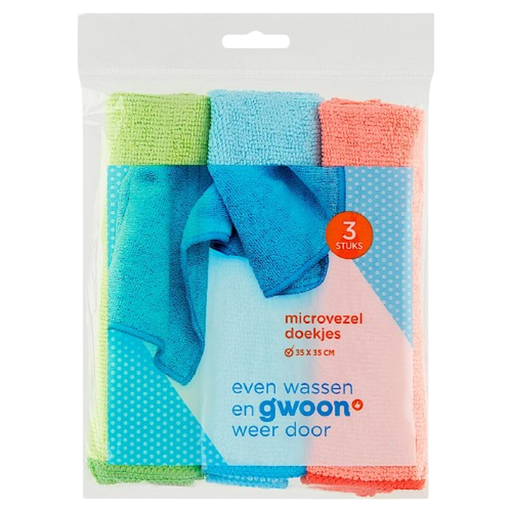
Why it suits this profile: The pack contains three microfibre cloths for everyday household tasks, so you don’t have to buy a large set straight away.
Having three cloths makes it easy to keep the kitchen, bathroom and general surfaces separate.
Microfibre material; pack of 3; suitable for dirt and dust according to the product description.

Why it suits this profile: If you want to compare cloths based on specific details, this product gives you clear information about its size and density.
The 260 g/m² specification means you don’t have to rely solely on vague terms such as “thick” or “extra strong”.
30 x 30 cm; 260 g/m²; machine washable up to 60 °C according to the product information.
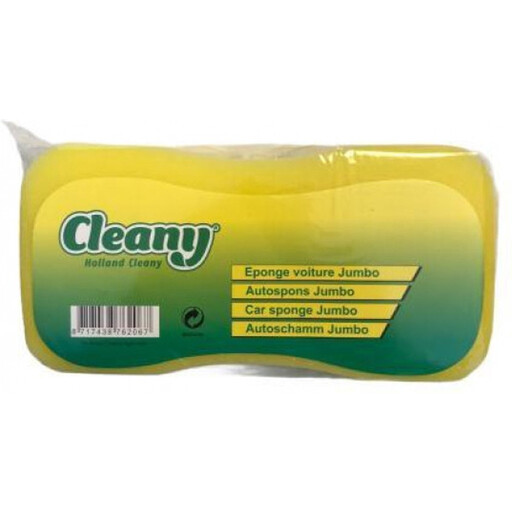
Why it suits this profile: This extra-large car sponge is designed for car owners who regularly wash larger surfaces.
This isn’t an all-purpose dishcloth, but a product specifically designed for washing cars. Always rinse off dirt and sand first.
Approx. 22.5 x 11.5 x 6 cm; large surface area; designed for gentle car cleaning according to the product description.
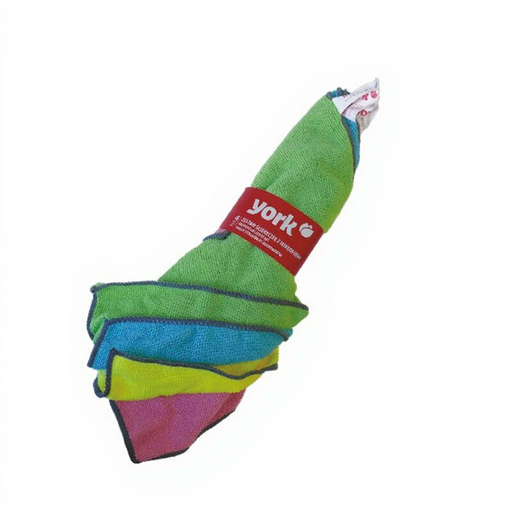
Why it suits this profile: A set of four is handy if you want to keep cloths for different rooms or cleaning tasks separate.
According to the product information, the cloths can be used dry or damp and are washable for repeated use.
Set of 4; 30 x 30 cm; suitable for windows, mirrors and screens, among other things, according to the product description.
We’ve put together a complete, up-to-date list of products that meet these strict selection criteria and the applicable European safety regulations.
Use a clean, low-lint microfibre cloth and remove any sand or loose dirt first. Use only a little cleaning product, then wipe the surface with a dry cloth. A cloth that’s too wet or already greasy can leave streaks.
It depends on the material and how you use them. Reusable microfibre cloths can last through many washes if you follow the care label and let them dry completely. Replace them as soon as they fray, develop a persistent smell or no longer clean properly. Sponge cloths used in the kitchen and bathroom often need replacing more regularly because they’re used when wet.
Disposable cloths can be handy for travel, one-off cleaning or situations where hygiene and convenience are a priority. For everyday use, reusable cleaning cloths are often more practical because you can wash and use them again. So compare the cost per use, not just the price per pack.
