
Vandaag of morgen in huis

Kwaliteit gegarandeerd

Welkomstaanbiedingen ontgrendelen: GRATIS bezorging | Tot 80% korting | Gratis 30 dagen JoyPlus-proefperiode
Download de app
Cleaning cloths may seem straightforward, but choosing the wrong type can quickly disappoint. A cloth for your face isn’t automatically suitable for a kitchen worktop, while a sturdy microfibre cloth may be too harsh for a baby’s skin. Marketing claims such as “extra moist”, “plastic-free” or “streak-free” only tell you so much unless you check the product specifications behind them.
This buying guide helps households, parents, motorists and people with sensitive skin compare cleaning cloths by material, use, care and packaging.
Wet wipes for skin often contain ingredients that aren’t intended for glass, screens or painted surfaces. Conversely, cleaning agents in household wipes may not be suitable for skin contact. Always check the stated intended use.
Plastic-free wipes aren’t automatically reusable cleaning cloths. A disposable wipe made from plant-based fibres may be biodegradable, but it should still go in your general waste after use. So check whether the product is washable and reusable. Disposable wipes usually state explicitly that they must not be washed or reused.
A thin cloth can tear when used on stubborn dirt. On the other hand, a very wet cloth may leave too much residue on glass or a touchscreen. Look for specific details such as:
Microfibre cloths are practical for everyday cleaning because they can pick up dust when dry and remove grease and dirt when damp. A cloth with a density of 260 g/m² has a sturdy, compact texture, according to the product description. Washable microfibre cloths are also suitable for regular use, as long as you wash them according to the instructions.
For windows, mirrors and screens, a soft texture and low-lint finish are important. Don’t use a cloth containing sand or hard particles of dirt on delicate surfaces. Rinse the cloth thoroughly after use.
If you’re looking for cleaning cloths for sensitive skin, baby wipes or make-up remover wipes, it’s worth checking the ingredients list. Fragrances may be unsuitable for some users. An unscented formula doesn’t automatically prevent every skin reaction; stop using it if irritation occurs.
According to the product information, BC Babycare wipes are made with 99% purified water, plant-based fibres and unscented ingredients. The packaging lists an OEKO-TEX certification with the number 25.HUS.21538 Hohenstein. These are product specifications, not a medical guarantee.
For NIVEA Sensitive Face Cleansing Wipes, the manufacturer states that they have dermatological and ophthalmological approval and contain ingredients including provitamin B5. According to the product description, these facial cleansing wipes are also intended to remove waterproof make-up. If you have sensitive skin, always check the full ingredients list.
For households looking to reduce waste, reusable cleaning cloths often make more sense than using wet wipes every day. Check:
Disposable wipes are especially handy when you’re out and about, caring for a baby or doing a quick clean. Put them in the bin and don’t flush them down the toilet, even if the packaging says they’re made from biodegradable fibres.
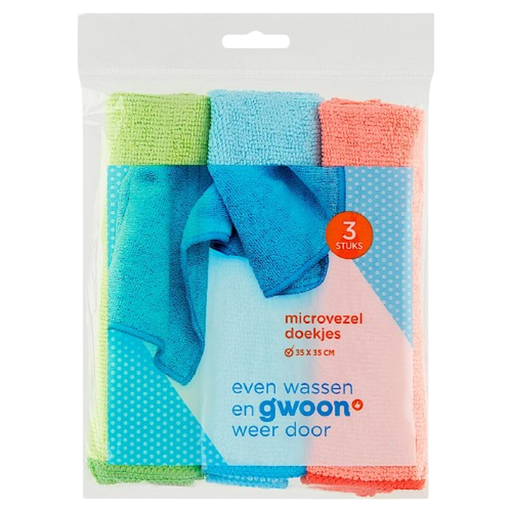
Why it suits this profile: A pack of three microfibre cloths is an easy way to get started with cleaning the kitchen or bathroom, or dusting every day.
The product information identifies microfibre as the material and specifies a set of 3. This makes it clear that these are reusable cloths, not disposable wet wipes.
Three cloths for different tasks; suitable for wet and dry cleaning, according to the product category.

Why it suits this profile: If you pay close attention to specifications, this cloth has a stated size of 30 × 30 cm and a density of 260 g/m².
The material and care details are specific: machine washable up to 60 °C, without fabric softener. This makes it easier to estimate the cost of using the cloth.
Low-lint microfibre; reusable; according to the product description, suitable for glass, screens, stainless steel, cars and offices.
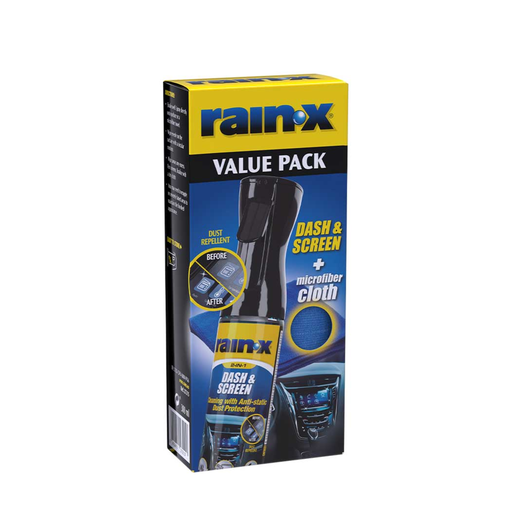
Why it suits this profile: Motorists who regularly clean their dashboard, infotainment screen and plastic interior get a spray with a microfibre cloth included.
The product description specifies use on dashboards, screens, glass and plastic. Spray onto the cloth first or follow the stated instructions, and test on an inconspicuous area if you’re unsure.
300 ml of cleaner plus a microfibre cloth; designed for light dirt, fingerprints and dust in the car interior.
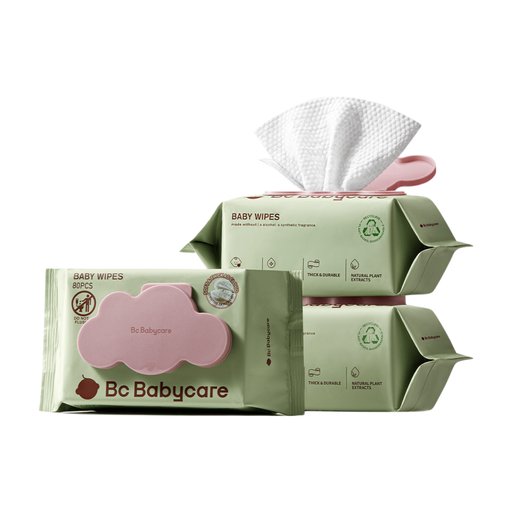
Why it suits this profile: This large pack is designed for everyday use on babies’ skin and for anyone looking for unscented wipes.
According to the product information, the wipes are unscented, 3 times thicker than many standard wipes and made from plastic-free, plant-based fibres. They’re for single use.
12 packs of 80 wipes; 99% purified water according to the product description; close the pack securely and put used wipes in the bin.
We’ve put together a complete, up-to-date list of products that meet these strict selection criteria and the applicable European safety regulations.
They can be, as long as the cloth is soft, clean and low-lint. Don’t use a cloth with sand or ingrained dirt. For screens, very little moisture is usually enough. Always follow the instructions for your device and the cloth.
Their lifespan depends on how often and how you use and care for them. Wash according to the label, avoid fabric softener if advised, and let the cloth dry thoroughly. Replace it if it starts to fray, develops a lingering smell or spreads dirt.
No. Plastic-free and biodegradable wet wipes should not be flushed either. Put used baby wipes, make-up remover wipes and other disposable wipes in the bin to help prevent blockages.
