
Vandaag of morgen in huis

Kwaliteit gegarandeerd

Welkomstaanbiedingen ontgrendelen: GRATIS bezorging | Tot 80% korting | Gratis 30 dagen JoyPlus-proefperiode
Download de app
A pack of cleaning cloths seems simple enough to choose – until you’re faced with streaks on windows, lint on furniture, or a cloth that loses its shape after just a few washes. Marketing terms can also be confusing. “Antibacterial”, “for all surfaces” and “extra strong” only mean something once you know the specifications behind them.
In this guide, you’ll learn what to look for in microfibre cloths, dishcloths, dusting cloths, cleaning sponges and disposable cleaning cloths. That way, you can make a targeted choice for the kitchen, bathroom, windows, floor, car or delicate surfaces.
A cloth that works well on tiles can be too rough for a screen, lacquered cabinet or pair of glasses. Always check the material and texture. Fine microfibre is generally more suitable for glass, mirrors and smooth surfaces than a scouring sponge or coarse dishcloth.
Also, don’t use a new cloth directly on a delicate surface. Test it first on an inconspicuous spot, and remove sand and other coarse dirt before you start polishing.
A big pack can look appealing, but pay attention to the size, material composition and washability. Ten thin cloths aren’t automatically more practical than three sturdier ones. With disposable cleaning cloths, usage rate also matters: for daily cleaning, reusable cleaning cloths can be more convenient in the long run.
So compare the price per usable cloth, not just the price of the pack.
Does the packaging say “antibacterial”? Then look at the instructions for use, ingredients and the surface the cloth is intended for. According to the product information from Dettol, the Citrus and Ocean Fresh cloths remove 99.9% of certain bacteria, allergens and dust mites. This is a claim from the brand and not a general guarantee for every situation. Always follow the label and do not use cleaning cloths on surfaces they are not designed for.
Microfibre cloths are suitable for dust, grease and light marks on many smooth surfaces. A finely woven cloth can leave fewer lint particles on windows, mirrors and screens. The product information for the Microfibre Cloths 30 x 30 cm states a density of 260 g/m², machine washability up to 60 °C and use on glass, screens, stainless steel and car interiors, among others.
For stubborn dirt, a sponge can be more practical. Pay attention to the hardness. A cellulose sponge like the Rectangular Work Sponge measures 150 x 100 x 70 mm and, according to the product description, is intended for floors, walls and windows, among other things. Use a sponge with a rough side carefully on lacquered or scratch-sensitive materials.
A cloth measuring 30 x 30 cm is easy to fold double and suitable for the kitchen, bathroom and furniture. For floors, you need more surface area. A floor cloth of 50 x 60 cm picks up more dirt and moisture and fits better with a floor squeegee or mop.
Small glass cleaning cloths are more convenient for mirrors, windows and smaller surfaces. Also check whether the cloth wrings out well. A dishcloth that holds a lot of water can be impractical for daily use.
Reusable cloths should be washed according to the instructions. For the Microfibre Cloths 30 x 30 cm Set of 1, it states: wash up to 60 °C, do not use fabric softener, tumble dry on low and do not iron. Fabric softener can affect the absorbency of microfibre.
Colour coding helps to limit cross-contamination between rooms: for example, use one colour for the bathroom and another for the kitchen. This is a practical household method, not a guarantee of a specific level of hygiene.
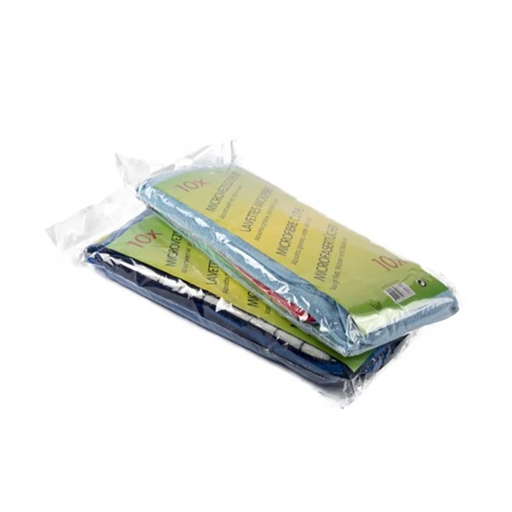
Why this fits the profile: A set of ten reusable microfibre cloths offers a practical starting point for the kitchen, bathroom, glass and furniture. The different applications allow for separate cloths per room.
The quantity is clearly stated: 10 pieces. According to the product information, the cloths are washable and reusable, meaning you are less dependent on disposable cloths.
10 pieces, microfibre material, suitable for multiple household surfaces and reusable.

Why this fits the profile: The stated density of 260 g/m² gives you more information than just the term “microfibre”. This cloth suits anyone looking for one compact cloth for glass, screens, the car and the office, among other uses.
The product specifications list size, density, material and washing instructions. This allows you to assess whether the cloth suits your task rather than relying solely on marketing claims.
30 x 30 cm, 260 g/m², low-lint structure according to the product description and washable up to 60 °C.
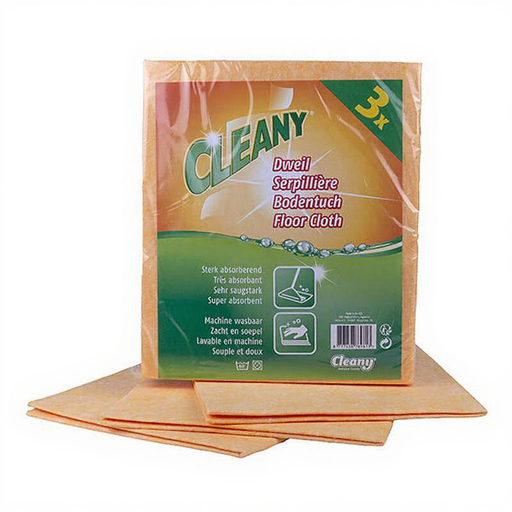
Why this fits the profile: The 50 x 60 cm size is designed for floors and larger surfaces. The set of three is practical when you mop frequently or need several cloths in a row.
The dimensions and contents are clearly stated. This means you won’t choose a small dusting cloth for a task where a floor cloth is more efficient.
Set of 3, size 50 x 60 cm and specifically labelled as a floor cloth.
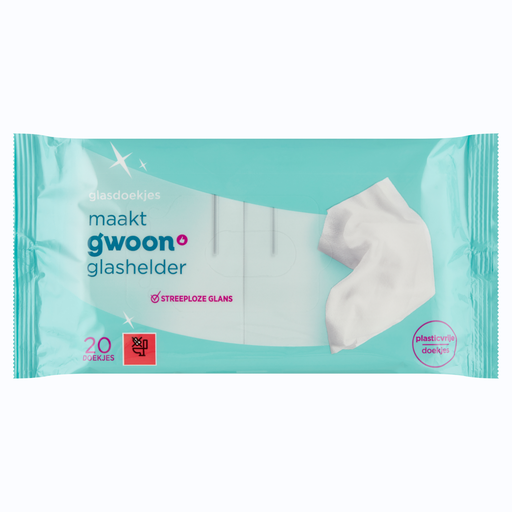
Why this fits the profile: This pack is intended for anyone who regularly cleans windows and glass surfaces and wants to keep a stock of glass cleaning cloths.
The instructions advise removing coarse dirt first and working from top to bottom. This helps prevent sand and dust from causing scratches or new smears.
20 cloths per pack and product instructions specifically focused on glass cleaning.
We’ve put together a full, up-to-date list of products that fully meet these strict selection criteria and comply with current European safety regulations.
Wash reusable cleaning cloths after use, especially if they have absorbed grease, food residue or dirt from the bathroom. Follow the care label. With microfibre, do not use fabric softener if the manufacturer advises against it. Allow the cloth to dry completely before storing it to prevent musty odours.
They can be, provided the cloth is suitable for delicate surfaces according to the product information. Use a clean, fine cloth and remove coarse dust first. For a screen, lightly damp cleaning is usually sufficient; do not apply liquid directly to the device.
That depends on usage. Disposable cloths are handy for a quick spot clean, but with daily use the consumption adds up. Reusable cloths require washing and drying, but can be used multiple times. So compare the price per use, pack size and care instructions before you buy cleaning cloths.
