
Vandaag of morgen in huis

Kwaliteit gegarandeerd

Welkomstaanbiedingen ontgrendelen: GRATIS bezorging | Tot 80% korting | Gratis 30 dagen JoyPlus-proefperiode
Download de app
Cleaning cloths may seem simple, but choosing the wrong one can quickly lead to streaks, fluff or cloths that lose their shape after a few washes. If you focus only on the lowest price or a bold claim, you may end up with a set that isn’t suited to the surfaces you need to clean.
Pay particular attention to the material, size, quantity and care instructions. A cloth for the kitchen needs different properties from one for windows, floors or furniture. Use this practical guide to compare cleaning cloths based on verifiable product information.
A dishcloth you use on the worktop isn’t automatically suitable for the bathroom or floor. This can spread dirt, grease and moisture from one room to another. A simple colour-coding system can help: for example, yellow for the kitchen, blue for the bathroom and a separate colour for furniture.
A set of ten cleaning cloths may seem like a good deal, but the size and material are just as important. Ten small dusting cloths aren’t the same as ten absorbent cloths measuring 32 x 38 cm. Always check:
Terms such as ‘streak-free’, ‘super-absorbent’ or ‘no cleaning product needed’ aren’t automatically relevant to every surface. A brand’s product description may say that a cloth is suitable for certain uses, but the results also depend on the surface, the amount of dirt and how you use it. Look for specific details such as g/m², care instructions, dimensions and recommended surfaces.
Microfibre cloths have fine fibres and are often used to pick up dust, dirt and light grease. A higher density, measured in g/m², gives you a more useful point of comparison. For example, a 260 g/m² cloth is made differently from a thin cloth with no stated density.
Viscose cloths are often flexible and suitable for kitchen and bathroom jobs. Check whether they’re intended for reuse and whether washing instructions are provided.
Cotton cloths can be useful for absorbing moisture and everyday household tasks. Check the size: towels and face cloths aren’t automatically designed to be used as cleaning cloths.
For worktops, cloths measuring around 30 x 30 cm to 32 x 38 cm are practical. They’re large enough to hold comfortably, but take up little space in a kitchen cupboard.
For windows and mirrors, glass cloths with a smooth, low-lint texture are a better choice. For floors, you’ll need larger mop cloths that fit your mop. Check the fastenings and dimensions. A cloth measuring 42 x 25 cm, for example, is designed for a mop and not for wiping small surfaces by hand.
Reusable cleaning cloths are handy if you wash regularly and use different cloths in different rooms. Check the maximum washing temperature and whether fabric softener is discouraged. Fabric softener can affect the absorbency of some microfibre cloths.
Disposable cleaning wipes are practical for a quick dust or when you don’t want to store a used cloth. However, you’ll need to buy replacements more often. Dispose of used wipes according to local waste guidelines and don’t flush them down the toilet.
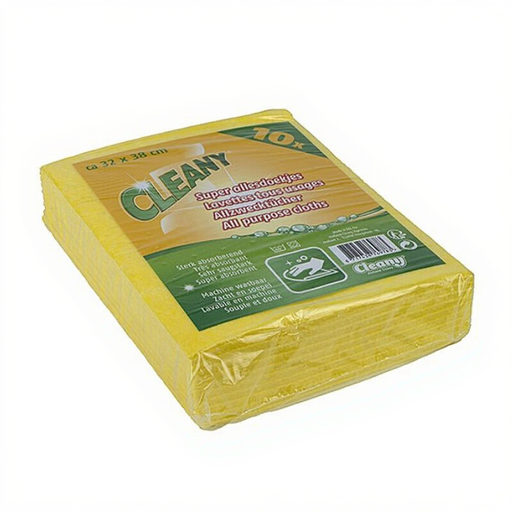
Why it suits this profile: A straightforward starter set for the kitchen, bathroom and other household surfaces. The yellow colour makes it easier to keep these cloths separate from others.
The quantity and size are clearly stated: 10 cloths measuring 32 x 38 cm. That means you’re not choosing a pack based on a high cloth count alone.
10 cloths per pack, each measuring 32 x 38 cm, with colour coding for different cleaning tasks.

Why it suits this profile: For anyone looking for a specific microfibre cloth and who would rather compare technical details than buy a large pack.
The product information gives the density as 260 g/m², the size as 30 x 30 cm and says the cloth can be washed at up to 60 °C. This makes it easier to compare.
Microfibre, 260 g/m², 30 x 30 cm and machine washable at up to 60 °C, according to the product description.
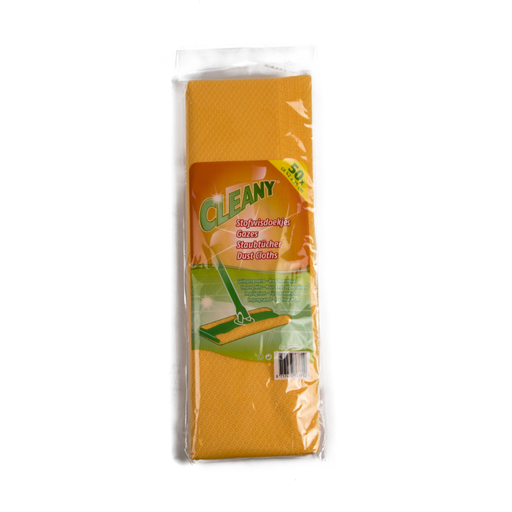
Why it suits this profile: For households that regularly need to remove dust, hair or loose dirt from hard floors without having to wash used mop cloths straight away.
The product gives both the size, 42 x 25 cm, and the quantity, 50 cloths. This lets you check in advance whether they’ll fit your mop.
50 disposable cloths, measuring 42 x 25 cm and, according to the product description, suitable for laminate, tiles, wood and PVC, among other surfaces.
We’ve put together a full, up-to-date list of products that meet these strict selection criteria and the applicable European safety regulations.
Dishcloths or medium-sized microfibre cloths are practical for the kitchen. Choose a size that feels comfortable in your hand, such as around 30 x 30 cm or 32 x 38 cm. Use different colours for the worktop, washing-up and other rooms.
Their lifespan depends on the material, how often you use them, the type of dirt and how you wash them. A clearly stated maximum washing temperature helps you care for a cloth, but doesn’t tell you exactly how long it will last. Replace it if it develops a lingering smell, frays, stops absorbing well or no longer comes clean.
It depends on how often you clean and whether you already do laundry regularly. Disposable wipes save time when you need to dust quickly, while reusable cleaning cloths can be economical per use if you wash them correctly and use them several times. So compare more than just the price per pack: consider how many times you can use each cloth, too.
