
Vandaag of morgen in huis

Kwaliteit gegarandeerd

Welkomstaanbiedingen ontgrendelen: GRATIS bezorging | Tot 80% korting | Gratis 30 dagen JoyPlus-proefperiode
Download de app
A cloth may seem like a simple household essential, but choose the wrong one and you can quickly end up with streaks, fluff or a cloth that stops working properly after a few washes. This applies to cleaning cloths, microfibre cloths, wet wipes and specialist cloths for your car or skin.
So don’t just look at the number of cloths in a pack or a flashy marketing claim. Focus on the material, size, care instructions and intended use. That way, you won’t end up using one cloth on every surface, where grease, sand or cleaning residue can get trapped between the fibres.
A cloth you use on the worktop shouldn’t be used on car paintwork or glass without washing it first. Grease and tiny grains of sand can cause scratches. Where possible, use different colours or sets for each room. This makes it easier to keep cloths for the kitchen, bathroom, home and car separate.
A streak-free finish depends on more than the fibres. The amount of water, the detergent and the surface all play a part too. If a cloth is too wet, it can leave smears on windows or mirrors. Check whether it can be used dry and damp, and whether the product description mentions fluff or quick drying.
Reusable cleaning cloths are only practical if you can wash and dry them properly. Check the recommended washing temperature, and avoid fabric conditioner with microfibre where possible, as it can damage the fibres. A cloth that stays damp for a long time can also develop unpleasant smells.
Microfibre cloths are usually made from very fine synthetic fibres that pick up dust, dirt and moisture. They’re suitable for glass, mirrors, screens and stainless steel, among other surfaces, as long as you first remove any coarse sand or hard particles.
A higher density, measured in g/m², can indicate a thicker cloth. For example, the Microfibre Cloths 30x30 cm Set of 1 is listed as 260 g/m² and measures 30 x 30 cm. It’s a practical size for everyday use in the kitchen, bathroom, car or office.
Viscose cloths, such as the g'woon Viscose Cloths 3pcs, have a different structure and are often used for general wet cleaning. Check the instructions on the packaging and rinse the cloth thoroughly before first use.
A size of around 30 x 30 cm is easy to hold and large enough for furniture, worktops and glass. A set with several cloths is handy if you want to use different colours in different rooms. Just check the actual number of cloths: a pack of three isn’t the same as a set of ten.
Check whether the cloths are machine washable and what temperature to use. According to the product information, the 260 g/m² microfibre cloth can be washed at up to 60 °C, without fabric conditioner. Make sure you let it dry thoroughly afterwards. For regular use, washable cleaning cloths are often more practical than disposable wipes.
For days out or personal care, cleansing wipes may be more convenient. The Care Plus Hygiene Handy Wash Wipes are designed for single use and should be put in general waste, not flushed down the toilet, according to the packaging. The product contains perfume, so check the ingredients and warnings if you have sensitive skin.
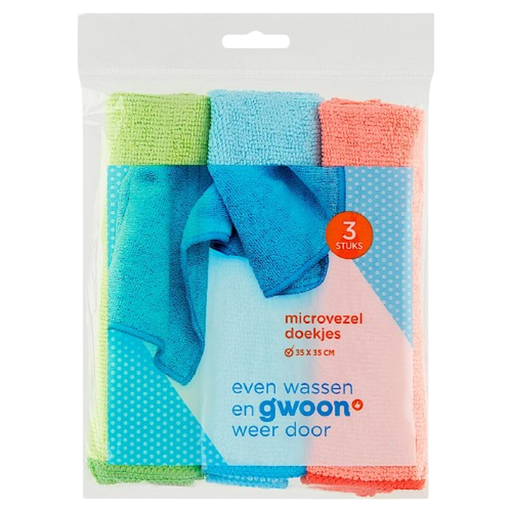
Why it suits this profile: A compact set of three microfibre cloths for simple household tasks, such as dusting or cleaning surfaces.
The pack clearly states that it contains three cloths. You can assign them to different tasks, rather than using the same cloth everywhere.
Microfibre material and a set of 3 cloths for everyday household use.

Why it suits this profile: A good choice if you want to compare specifications and need one cloth for a range of delicate surfaces.
The product information specifies a weight of 260 g/m², a size of 30 x 30 cm and washability up to 60 °C. That makes it easy to check the key features.
Dense microfibre material, a low-lint structure, reusable and suitable for dry or damp use.
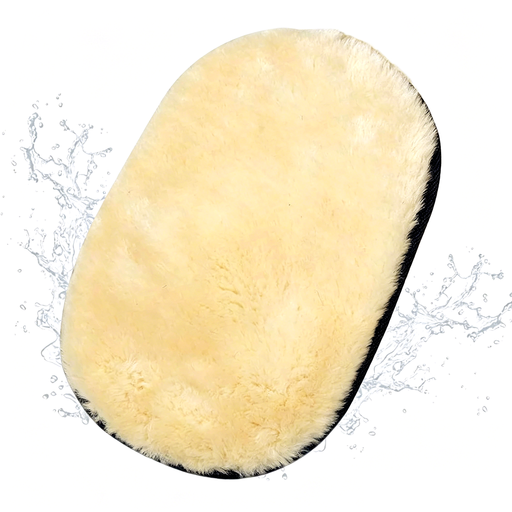
Why it suits this profile: For drivers who want a separate car wash cloth or mitt for wet cleaning paintwork, glass and wheels.
The instructions recommend wetting the mitt, rinsing out any sand and avoiding dry rubbing on delicate surfaces. This helps reduce the risk of scratches caused by dirt particles.
A double-sided, washable glove made from polyester and nylon, measuring 23 × 15,5 × 2 cm.
We’ve put together a full, up-to-date list of products that meet these strict selection criteria and the applicable European safety regulations.
For removing make-up or a quick refresh, make-up remover wipes and wet wipes are more practical than a household microfibre cloth. According to the product description, the NIVEA 3-in-1 Refreshing Cleansing Wipes for Dry Skin contain ingredients including argan oil and sodium hyaluronate, and come in a pack of 25 wipes. The version for normal to combination skin, the NIVEA Refreshing Cleansing Wipes, lists aloe vera and lotus extract.
These are NIVEA product claims based on its own product information, not a general guarantee for every user. If you have sensitive skin, always check the ingredients list, including for perfume and fragrance. Use these wipes only as directed on the packaging, and don’t flush them down the toilet.
Their lifespan depends on the material, how they’re used and how they’re washed. Wash cloths according to the label, avoid fabric conditioner with microfibre and let them dry completely. Replace a cloth if the fibres become hard, start to fray or visibly hold on to dirt.
A low-lint microfibre cloth measuring around 30 x 30 cm is a practical choice. Use a small amount of water, work with a clean cloth and remove any sand or hard dirt particles first. Check that the product description says it can be used on glass and mirrors.
You can, but using separate cloths is more hygienic. A car cloth may contain sand, wax or road dirt. Wash it after use and keep it separate from cloths used in the kitchen, bathroom and for personal care.
