
Vandaag of morgen in huis

Kwaliteit gegarandeerd

Welkomstaanbiedingen ontgrendelen: GRATIS bezorging | Tot 80% korting | Gratis 30 dagen JoyPlus-proefperiode
Download de app
Cleaning cloths may seem simple, but the differences between sets can be significant. A cloth for a worktop needs different properties from one for windows, furniture or floors. So don’t just look at the number of pieces or a striking product claim. Material, size, care and the intended surface are the main factors that determine whether your purchase remains practical.
There are three common pitfalls for households in the Netherlands:
The right choice starts with the intended use. Use the guide below as a practical first selection:
A cleaning cloth set in different colours can also help you separate tasks, such as the kitchen, bathroom and car. Colour coding is a practical way to stay organised, not proof that one cloth cleans better than another.
Microfibre is generally made from synthetic fibres such as polyester and polyamide. The product description may provide additional information about the structure or density. For example, a cloth with a weight of 260 g/m² has a clearly stated fibre density. This makes it easier to compare than a general claim such as “extra thick”.
Cellulose, viscose, bamboo fibres and sponge-like materials behave differently. They may be pleasant to use on wet surfaces, but are not automatically suitable for glass, screens or delicate finishes. Therefore, check:
According to the product descriptions of some brands, microfibre cloths can be used without or with very little cleaning product. This is a manufacturer’s product claim, not a universal guarantee for every surface.
A size of around 30 × 30 cm is compact for quick cleaning jobs, in the car or at the office. Larger cloths, such as 40 × 60 cm, provide more surface area for kitchen and household use, but also take up more space in the laundry basket.
As well as the number of pieces, look at:
A set of four or five cloths may be enough for a small household or a specific task. Families who clean several rooms every day may get more use from a set of ten.
Washable cloths are only practical if you can look after them properly. Wash them according to the label, allow them to dry completely and avoid products that could damage the fibre structure. For example, the product description for the 5five set states that it should be washed at 40 °C and that fabric softener and bleach should be avoided. Other cloths may specify a higher maximum temperature, so compare each product individually.
Take extra care with floors. The product description for the Swiffer wet cloths states that they are suitable for tiles, linoleum and treated wooden floors, but warns against untreated, oiled or waxed parquet, untreated natural stone and carpet. Never use a cleaning cloth on a delicate surface without checking the instructions first.
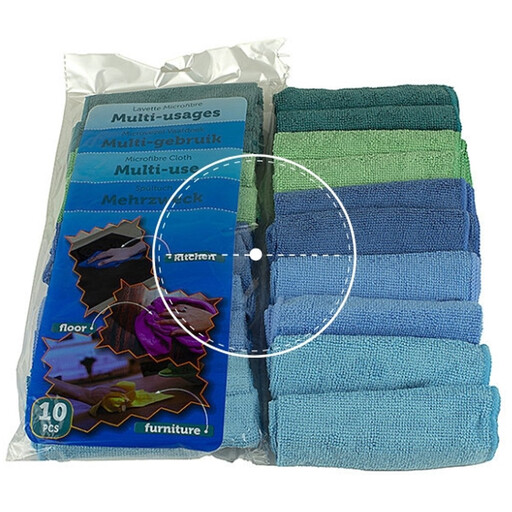
Why it suits this profile: The set contains ten 30 × 30 cm microfibre cloths. The different colours make it easier to allocate cloths to different rooms or tasks.
The number of pieces, material and size are clearly stated. This means you can compare the set based on concrete details rather than marketing language alone.
Set of 10; microfibre; washable and reusable according to the product description; suitable for dust, dirt and stains.
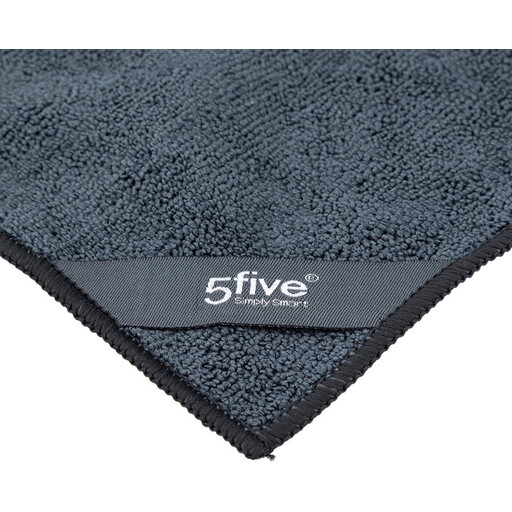
Why it suits this profile: The three colours can be assigned to different tasks. Measuring 40 × 30 cm, the cloths are suitable for everyday cleaning at home or in the office.
The care instructions state that the cloths should be washed at 40 °C and that fabric softener and bleach should be avoided. This gives you clear guidance on how to use them from the outset.
Polyester and polyamide; three cloths; suitable for dry dusting and damp cleaning according to the product description.
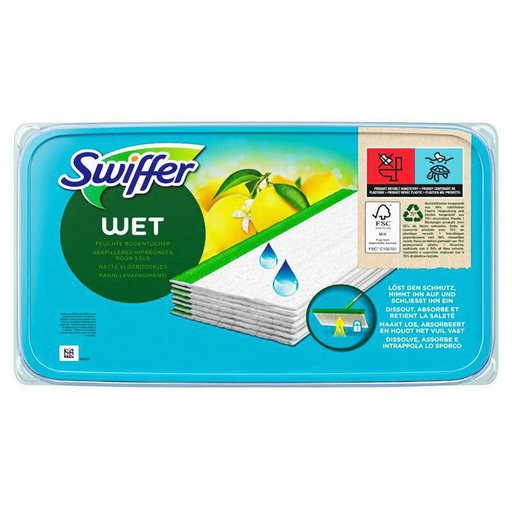
Why it suits this profile: Ideal if you want to clean a hard floor quickly without first wetting a cloth. The pre-moistened mop cloths are designed for specific floor surfaces.
The product information clearly specifies which floors are suitable and unsuitable. This makes it easier to match the product to the intended use than with a cloth described simply as “multifunctional”.
Pre-moistened; 10 pieces; intended for tiles, linoleum and treated wooden floors according to the product description.
We have put together a complete, up-to-date list of products that fully meet these strict selection criteria and the applicable European safety regulations.
Compare these points before placing your order:
This depends on the material, frequency of use, amount of dirt and washing conditions. A set number of washes cannot be guaranteed in general. Replace a cloth when it starts to fray, retains a persistent smell or no longer rinses clean properly. Follow the washing label to help prevent unnecessary wear.
Some products advise against this because fabric softener can affect the fibre structure. Always check the manufacturer’s instructions. If in doubt, use a suitable wash cycle without fabric softener and allow the cloth to dry completely.
Choose glass cloths or microfibre cloths whose product description mentions glass, mirrors or other smooth surfaces. Remove coarse dust and dirt first to help prevent scratches. For a streak-free finish, use a clean, non-saturated cloth and follow the usage instructions on the packaging.
