
Vandaag of morgen in huis

Kwaliteit gegarandeerd

Welkomstaanbiedingen ontgrendelen: GRATIS bezorging | Tot 80% korting | Gratis 30 dagen JoyPlus-proefperiode
Download de app
The right cleaning cloth can be the difference between a quick, flawless clean and endless scrubbing with disappointing results. Yet, the selection is overwhelming, and the marketing can be misleading. Many households have a drawer full of cloths that don't quite live up to their promise. Before you stock up on another value pack, it's helpful to understand the most common pitfalls.
Two common problems are:
reusable cleaning cloths can lose their texture, absorbency, and cleaning power after just a few washes. As a result, they still end up in the trash quickly.To avoid a bad buy, it's wise to pay attention to a few objective specifications. These details determine how a cloth performs and what it's best suited for.
The material dictates the cloth's function. The three most common materials each have their own strengths.
dusting cloths (dry) or for degreasing surfaces (damp).dishcloths and kitchen towels are often made of cotton. Cotton is naturally highly absorbent and robust, making it suitable for soaking up spills and general kitchen tasks.Especially with microfibre cloths, the GSM (grams per square metre) value is a key indicator of quality.
car cloth with a high GSM value (sometimes 600 or more) is ideal to dry a car quickly and without scratches. A good glass cloth often has a specific, flat weave structure to ensure a lint-free and streak-free finish.Truly washable cloths can last for hundreds of washes, provided you treat them correctly. The most important rule for microfibre is: never use fabric softener. Fabric softener clogs the fibres, causing the static and absorbent properties to be lost. Wash the cloths at the recommended temperature (usually 30-60°C) and let them air-dry for maximum lifespan.
Not everyone needs the same type of cloth. Below are some suggestions, tailored to specific needs and situations.
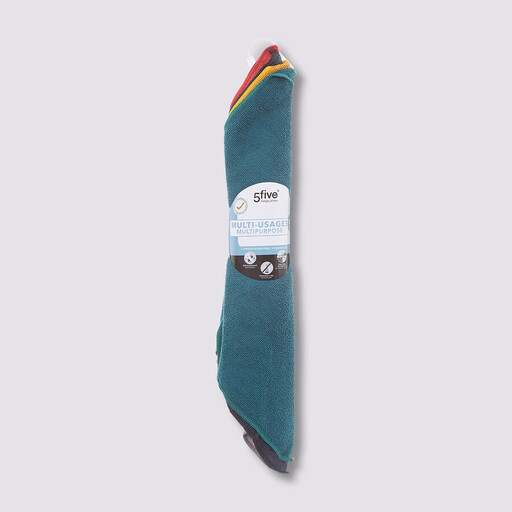
Why This Fits Their Persona: This set is a practical start for any household. With five microfibre cloths, you have enough for the kitchen, bathroom, and dusting, without needing to make a large investment.
This isn't a "one-size-fits-all" product, but a versatile cleaning cloth set. You can assign the cloths to specific tasks, which is more hygienic and effective. The material (polyester/polyamide) is clearly specified.
A complete set for various cleaning jobs around the house. The cloths are washable and therefore reusable.
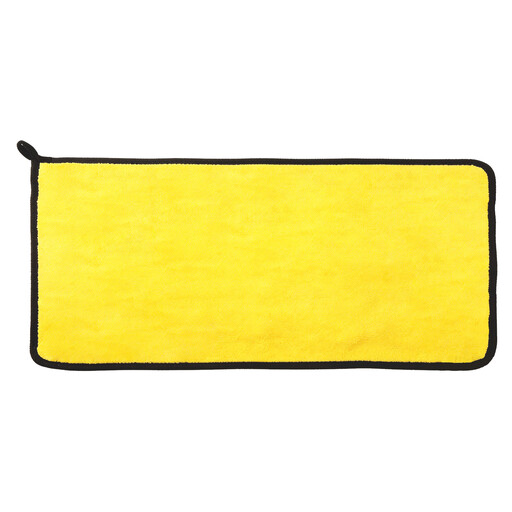
Why This Fits Their Persona: For those who take their car care seriously, a standard cloth just won't do. This cloth is specially designed for car paint: soft, thick, and extremely absorbent to dry the car quickly after washing, without scratches or streaks.
This car cloth bypasses the pitfall of unclear specifications. The 600 GSM value is a clear, objective measure of its high quality and absorbency, something often missing from cheaper cloths.
Very high absorbency thanks to the thick fabric. The soft structure is designed to prevent scratches on sensitive surfaces like car paint.
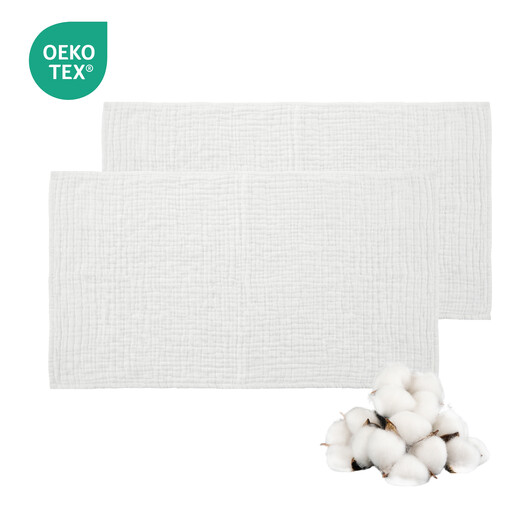
Why This Fits Their Persona: For a baby's sensitive skin, only the softest material will do. These cloths are not intended for scrubbing the sink, but for the daily care of a child.
This product avoids the "one-size-fits-all" trap by focusing on a very specific application. The material, 100% cotton in a 6-layer muslin weave, is chosen for maximum softness and safety, not for scrubbing power.
Made from 100% cotton, which is breathable and safe for a baby's skin. The 6-layer design provides good absorbency and becomes softer with each wash.
We have compiled a complete, up-to-date list of products that meet these selection criteria and current regulations.
Wash microfibre cloths separately or with other synthetic fabrics. Use a normal wash cycle at 40°C or 60°C, depending on the instructions. The most important rule is to never use fabric softener or bleach, as this damages the fibres and reduces their effectiveness. Let them air-dry.
For a streak-free result on glass, mirrors, and stainless steel, a glass cloth with a special, flat weave structure is an excellent choice. These lint-free cloths are designed to absorb moisture and dirt without leaving residue behind. Use the cloth slightly damp with only water, or with a minimal amount of glass cleaner.
The difference usually lies in the quality of the material and construction. A more expensive microfibre cloth often has a higher GSM value, meaning it is thicker and more absorbent. The edges are also better finished, which helps the cloth last longer and prevents it from fraying after multiple washes. Cheaper cloths may be thinner and lose their cleaning power more quickly.
