
Vandaag of morgen in huis

Kwaliteit gegarandeerd

Welkomstaanbiedingen ontgrendelen: GRATIS bezorging | Tot 80% korting | Gratis 30 dagen JoyPlus-proefperiode
Download de app
As a Product Recommendation Officer at Joybuy, I see people struggle daily to find the right cleaning supplies. You buy a pack of cloths with the promise of a sparkling home, only to end up frustrated. A cloth that just pushes water around, or a glass cloth that leaves more lint behind than it picks up.
Before you grab another random pack, it's worth knowing the most common pitfalls:
reusable cleaning cloths look sturdy in the packaging, but after one or two washes, the edges are frayed and the structure is gone. The low quality of the stitching or material makes them practically disposable cloths.dishcloth needs different properties than a dusting cloth or a cloth for your car's paintwork.A bad buy isn't just a waste of your money, but also your time. Let's look at how a few simple points of focus can help you make the right choice.
Marketing terms mean little. The specifications on the packaging tell the real story. Pay close attention to these two factors.
Not every material is suitable for every task. The composition is crucial for the result.
microfibre cloths become static and attract dust like a magnet, making them ideal as dusting cloths. When you wet them, the fine fibres absorb dirt and moisture without needing much cleaning agent. They are perfect for general use, but be careful: do not use fabric softener, as it clogs the fibres.dishcloths and kitchen towels are often made of cotton. They are highly absorbent and robust, but they can leave lint behind more easily and dry slowly, which can turn them into a breeding ground for bacteria if not washed frequently.glass cloth is a smart choice for windows, mirrors, and smooth surfaces like car bodywork.A specification that is often overlooked is the density, expressed in grams per square metre (g/m?). This number indicates how heavy and dense the fabric is.
washable cloths that you intend to use frequently, a higher density is a good indicator of quality. For example, a 380 g/m? cloth is considerably more robust than one at 200 g/m?.To get you started, we've highlighted a few products that suit different needs, based on their specifications.
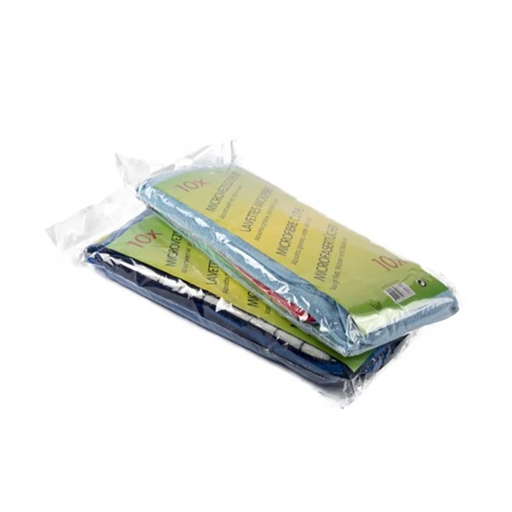
Why it's a match: For those seeking a reliable, affordable set for general household tasks. With ten pieces, you'll always have a clean cloth on hand for the kitchen, bathroom, or dusting furniture.
This isn't a vague "jack-of-all-trades". It's a set of microfibre cloths that you can assign to specific tasks. The description emphasizes that they are reusable and durable, which counters the pitfall of poor quality.
The 10-pack offers excellent value for money and makes hygienic, room-specific cleaning easy.
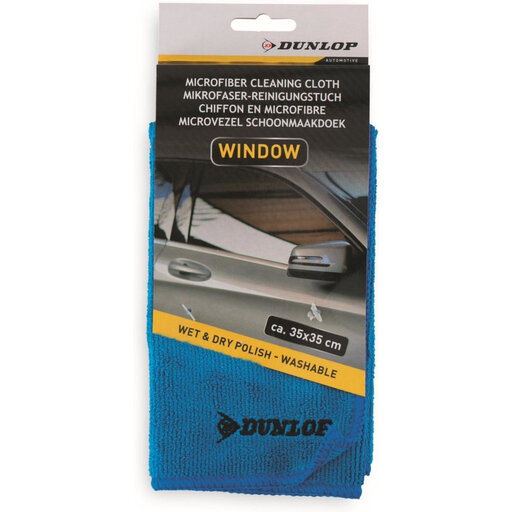
Why it's a match: Ideal for anyone frustrated by streaks on windows, mirrors, or car glass. This is a specialist cloth, designed for one purpose: a clear and grease-free surface.
This cloth puts an end to the false "streak-free" promise. It is specifically made from 100% viscose with a special texture that, according to the manufacturer, ensures superior cleaning performance on glass.
The material and texture are optimised for glass, allowing you to achieve a clean, streak-free result using only water.
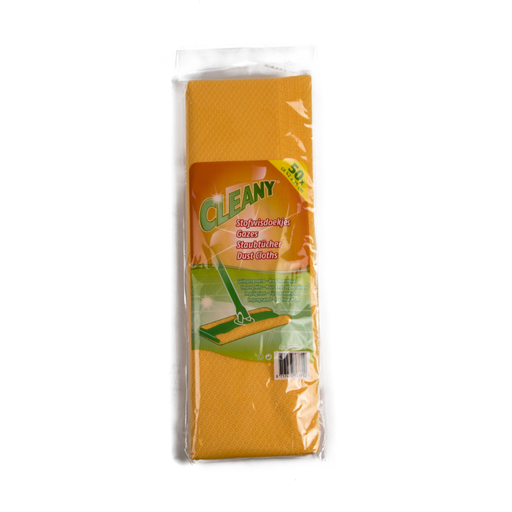
Why it's a match: For households with hard floors, pets, or allergies. These `mop cloths` are designed for quick, daily cleaning to trap dust, hair, and allergens without the hassle.
This product embraces its disposable nature as a strength. It doesn't try to be a reusable cloth that fails. The cloths are pre-treated and have an electrostatic action to trap dust and hair, something a reusable cloth often does less efficiently.
Hygienic and efficient. After use, you throw away the cloth along with the trapped dirt. The 42 x 25 cm size fits most standard floor sweepers.
We've compiled a complete, up-to-date list of products that meet these selection criteria and current regulations.
Fabric softener leaves a thin film on the cloth's fibres. This film reduces its effectiveness in two ways: it neutralises the static charge needed to attract dust, and it fills the microscopic spaces in the fibres, which greatly reduces its absorbency. As a result, your microfibre cloths will smear dirt and water around rather than picking them up.
For good kitchen hygiene, it is recommended to replace your dishcloth with a clean one daily and wash the used one at a minimum of 60°C. Damp, warm cloths are an ideal environment for bacteria. A daily swap is a small effort that can greatly contribute to a clean kitchen.
A static duster, like the Cleany Mop Cloths mentioned above, is often a disposable cloth specially designed to attract dry dust and hair via an electrostatic charge. A microfibre cloth is more versatile. You can use it dry for dusting, but also damp for removing stains and grease. Microfibre cloths are typically washable cloths and therefore intended for long-term use.
