
Vandaag of morgen in huis

Kwaliteit gegarandeerd

Welkomstaanbiedingen ontgrendelen: GRATIS bezorging | Tot 80% korting | Gratis 30 dagen JoyPlus-proefperiode
Download de app
Cleaning cloths may seem straightforward, but you often only notice the difference between a handy set and a poor purchase after a few washes. A cloth may be too small for a large surface, leave fluff on glass or start to smell unpleasant when it dries slowly. Terms such as “absorbent” or “streak-free” also do not always tell you how well the product will fit into your household.
Use these practical selection points to compare microfibre cloths, washing-up cloths and kitchen cloths based on the features that matter every day.
A 10-piece cleaning cloth set may seem appealing, but the number of cloths tells you nothing about their size or suitability for your tasks. Ten cloths measuring 18 × 20 cm, for example, are handy for small surfaces, while windows, furniture or a worktop are often better suited to a larger cloth.
Therefore, always check:
According to the product descriptions of various brands, microfibre cloths can help remove dust and dirt without leaving streaks. This is not a universal result: it also depends on the surface, the amount of water, the cleaning product used and how the cloth is wrung out.
For mirrors and windows, a cloth will generally work better when it is clean and used only slightly damp. Fabric conditioner can affect the fibre structure of microfibre cloths. According to the product information, Cleany advises against using fabric conditioner.
A thick or highly absorbent cloth can take in a lot of moisture, but this may also mean that it stays wet for longer. A cloth left scrunched up in the sink after use will not dry as well. This can cause unpleasant smells.
For everyday use, quick-drying cleaning cloths are practical. Larger, absorbent kitchen towels may be a better choice for drying crockery or soaking up a large amount of water.
Microfibre cloths have fine fibres and are often used for glass, mirrors, furniture, screens and general surfaces. They can usually be used dry or damp. For delicate surfaces, first check the care instructions for the appliance or material and test the cloth on an inconspicuous area.
Viscose cloths and sponge cloths are flexible, easy to wring out and suitable for washing up, worktops and wet cleaning tasks. They are often smaller and have a different feel from microfibre.
Cotton cleaning cloths are useful for kitchen tasks, oil, water and drying crockery. ochama’s product information lists cotton as the material and describes the cloths as suitable for water and oil. Always check the current product specifications and washing instructions on the product page or packaging.
There are also cloths made from bamboo fibres. According to the product information for Multy G’Woon, they can be washed at temperatures of up to 60 °C. The stated OEKO-TEX certification and biodegradability are manufacturer product claims; check the packaging and certification information if this is important for your purchase.
A size of approximately 30 × 30 cm is versatile for tables, cupboard doors, washbasins and furniture. Larger kitchen towels, such as 40 × 60 cm or 40 × 66 cm, provide more surface area for drying and soaking up moisture.
Also consider the thickness and texture:
Reusable cleaning cloths are particularly practical when you have several cloths and can rotate them by room or task. Colour coding helps you keep, for example, the kitchen, bathroom and toilet separate.
Washable cleaning cloths remain useful for longer when you:
Do not use undiluted bleach if the product information prohibits it. According to the label, undiluted bleach is not suitable for Cleany sponge cloths, and you should not apply cleaning product directly to the cloth.
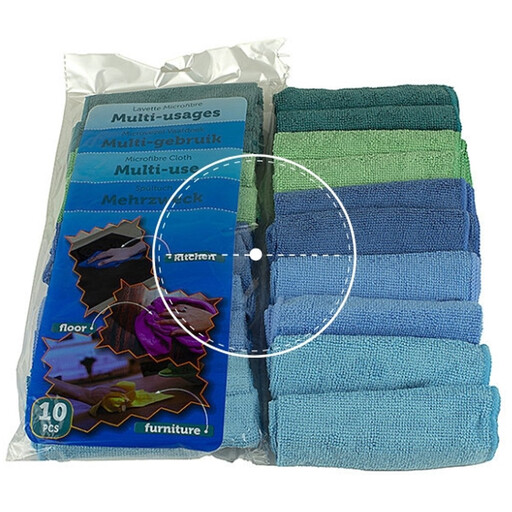
Why it suits this profile: The set contains 10 microfibre cloths measuring 30 × 30 cm. The different colours make it easy to assign cloths to particular rooms or cleaning tasks.
You can immediately see that it contains 10 cloths measuring 30 × 30 cm. This prevents you from focusing solely on the high number of pieces.
10 microfibre cloths; washable and reusable according to the product description; suitable for kitchens, floors and furniture.
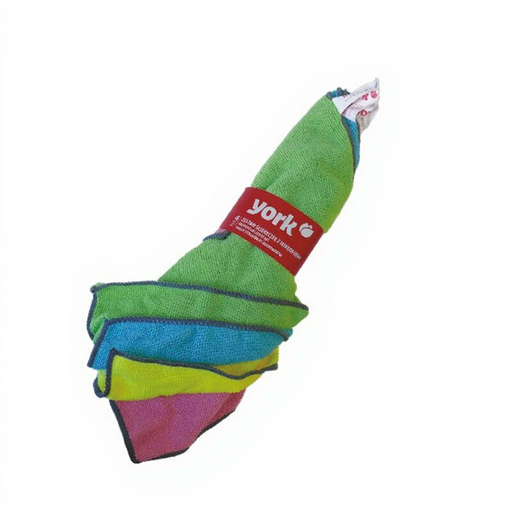
Why it suits this profile: This compact set is designed for multiple surfaces, including windows, mirrors, LCD screens and lenses. The size is suitable for controlled cleaning.
The product information gives specific dimensions and states that the cloths are suitable for dry and wet cleaning. This makes comparison easier than relying on a marketing term alone.
Size: 30 × 30 cm; 4 pieces per pack; machine washable and quick drying according to the product description.
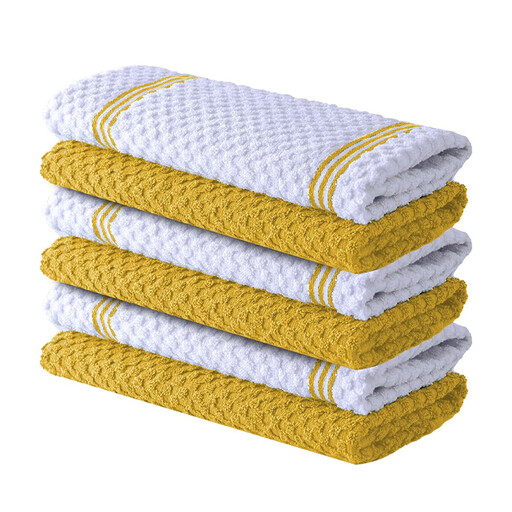
Why it suits this profile: Measuring 40 × 66 cm, these kitchen towels are larger than standard washing-up cloths. They are therefore well suited to drying, dealing with larger spills and intensive kitchen work.
The large size is clearly stated. You therefore avoid buying small cloths when you actually need to cover a large area or absorb a lot of moisture.
6 pieces; size: 40 × 66 cm; the product name lists absorbency and low-lint use as product features.
We have put together a complete, up-to-date list of products that fully meet these strict selection criteria and the applicable European safety regulations.
Microfibre cloths measuring approximately 30 × 30 cm are practical for glass and mirrors. Use a clean cloth slightly damp and, if necessary, wipe the surface afterwards with a dry section. The result depends on the cloth, the water and the cleaning product. Always check the instructions for use when cleaning screens and other sensitive materials.
This depends on how they are used. Washing-up cloths and worktop cloths are best rinsed immediately after intensive use and left to dry. Washable cleaning cloths can be machine washed according to the care label. Keep cloths for the kitchen, bathroom and toilet separate to limit cross-use.
A reusable cloth may need replacing less frequently when used repeatedly, but the total cost depends on the purchase price, lifespan, number of washes and energy consumption. Therefore, do not compare only the price per set; also consider the number of pieces, washability, size and intended use. This will help you choose a cleaning cloth set that suits your own cleaning routine.
