
Vandaag of morgen in huis

Kwaliteit gegarandeerd

Welkomstaanbiedingen ontgrendelen: GRATIS bezorging | Tot 80% korting | Gratis 30 dagen JoyPlus-proefperiode
Download de app
A good cleaning cloth might seem like a simple product, but the wrong choice can quickly lead to frustration: streaks on your windows, lint on your furniture, or a cloth that falls apart after just two washes. While many brands promise a one-size-fits-all solution, in practice, this often results in a waste of money and effort.
As a Product Recommendation Officer at Joybuy, I see a lot of products come and go. My job is to help you make the right choices, based on facts rather than hype. Let's take a look at the most common pitfalls and how you can avoid them.
The 2 pitfalls of buying cleaning cloths:
To avoid a bad purchase, it's better to focus on a few verifiable specifications rather than marketing promises. These are the two most important factors that determine a cloth's performance.
The material determines what a cloth excels at. The most common types each have their own function:
For microfiber cloths and polishing cloths, the GSM (grams per square meter) value is a reliable indicator of quality.
Also, pay attention to the edges. A cloth with a well-stitched (serged) edge will not fray in the washing machine, which significantly extends its lifespan. A cleaning cloth set with different colors is useful for preventing cross-contamination between areas like the kitchen and the bathroom.
Based on these objective criteria, we have selected a few products that suit specific needs and households.
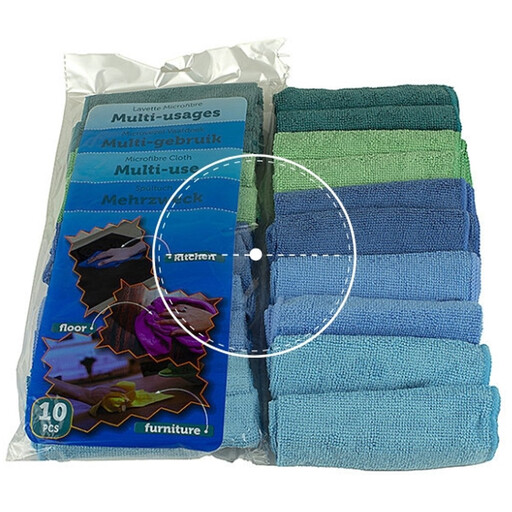
Why This Fits Their Persona: This set is ideal for those who want an efficient and organized approach. The different colors make it easy to assign cloths to specific areas (e.g., kitchen, bathroom, furniture), which is hygienic and prevents cross-contamination.
This is not a vague "one-size-fits-all" product, but a specific set that allows you to separate tasks. Its washable and reusable nature offers true durability instead of an empty claim.
The 10-piece set offers excellent value. The microfiber weave is effective for removing dust and dirt without leaving streaks.
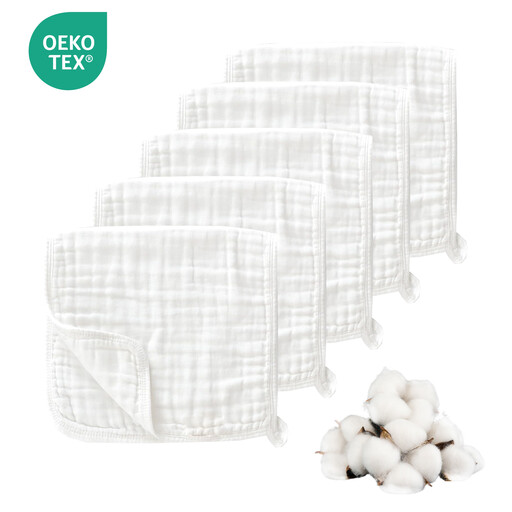
Why This Fits Their Persona: For a baby's delicate skin, only the softest material will do. These cloths are made from 100% cotton and designed for safe, gentle contact. Ideal as a burp cloth, washcloth, or light towel.
This product avoids the "one-size-fits-all" trap by specializing. It's not a general-purpose cleaning cloth, but a specific care product with a clear material composition (100% cotton).
The six-layer design provides high absorbency. The cloths become softer with each wash, which enhances their lifespan and comfort.
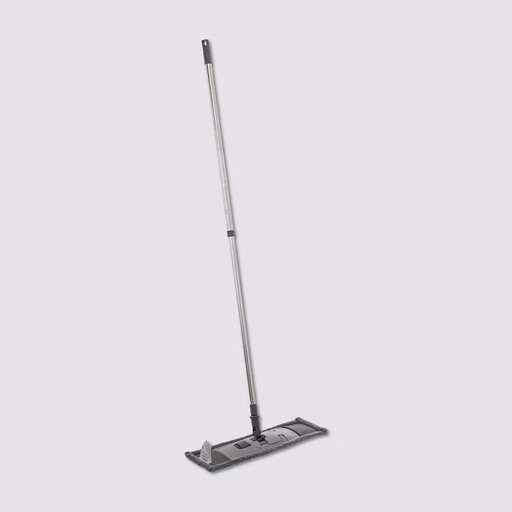
Why This Fits Their Persona: For those who want to clean large floor surfaces quickly and effectively, a standard hand cloth isn't practical. This is a complete system with a telescopic handle and a wide microfiber head, designed specifically for floors like wood, laminate, and PVC.
This product is the opposite of a vague all-rounder. It is a specialized tool for one specific, heavy-duty task: mopping floors. The focus is on ergonomics and efficiency.
The detachable microfiber cloth is machine-washable, ensuring a long lifespan and hygienic use. The lightweight aluminum handle makes the job less strenuous.
For best results and hygiene, it's recommended to wash dishcloths daily and other cloths after each major cleaning session. Wash them in the washing machine at 40 to 60 degrees Celsius (104 to 140 degrees Fahrenheit). The most important rule: never use fabric softener. Fabric softener clogs the fibers and destroys their static and absorbent properties. Air-dry the cloths instead of using a tumble dryer to maximize their lifespan.
The difference usually lies in the material's density, expressed in GSM (grams per square meter), and the quality of the fibers. A more expensive cloth often has a higher GSM, allowing it to absorb more dirt and moisture and better resist wear and tear. Cheaper cloths typically have a lower density, may start to lint sooner, and lose their effectiveness after just a few washes.
It is strongly advised against using the same cloths for both areas due to the risk of cross-contamination with bacteria. A practical solution is to use a color-coded cleaning cloth set. For example, use blue for glass and windows, green for the kitchen, and red for the toilet and bathroom. This helps you maintain a high standard of hygiene.
