
Vandaag of morgen in huis

Kwaliteit gegarandeerd

Welkomstaanbiedingen ontgrendelen: GRATIS bezorging | Tot 80% korting | Gratis 30 dagen JoyPlus-proefperiode
Download de app
A loose sponge for the kitchen, a brush for the bathroom and a handy tool for the car: cleaning brushes and sponges might seem straightforward, but the wrong material can quickly become frustrating. A sponge that smells, a brush that sheds bristles or a scouring pad that damages a surface offers little value.
So don’t just focus on colour, shape or a marketing claim. Instead, look at the material, dimensions, maintenance and the surface the product is intended for.
A stainless steel scouring pad may be suitable for stubborn dirt on certain pans, but it isn’t automatically right for glass, lacquered surfaces or non-stick coatings. Conversely, a soft washing-up sponge may lack enough abrasive power for baked-on residue.
Practical rule: choose the tool based on the surface and the type of dirt, not just the price.
Moisture left sitting in a sponge or holder can cause unpleasant odours and faster wear. A toilet brush with a holder needs to be able to drain after use. A loofah sponge or washing-up sponge should dry thoroughly between uses.
Look out for details such as:
A product name with terms like “deep cleansing”, “massage” or “professional” doesn’t mean much on its own. According to Sunluxy’s own information, some facial cleansing brushes have multiple vibration settings or a heat function. That describes the feature, but it isn’t a guarantee of a particular skin result.
With a facial cleansing brush, it’s wiser to look at material, intensity control, cleaning method and instructions for use. Use a silicone facial brush gently and follow the manufacturer’s guidance.
The material determines how much pressure you can apply:
Also check any warnings. According to the product information, a car wash mitt must be thoroughly saturated with water and cleaning solution before use. Rubbing it dry over paintwork or glass can actually risk scratches if sand particles are present.
A compact ventilation grille brush is handier for narrow openings than a wide household brush. For a toilet, the length matters: a brush of 37 cm can offer enough reach without you having to work too close to the bowl. Also consider the footprint of the holder, especially in a small bathroom.
With a barbecue cleaning brush, the brush head and handle are important. According to the product information, the Alpina BBQ Cleaning Brush has a 2-in-1 design, a stainless steel construction and an oak handle. Always check after use that any loose residue has been removed before you use the barbecue again.
A product lasts longer when it’s properly maintained, but every tool has a replacement point. Replace a sponge as soon as it tears, deforms or continues to smell unpleasant. A toilet brush should be replaced when the bristles are worn or bent.
With an electric facial cleansing brush, check:
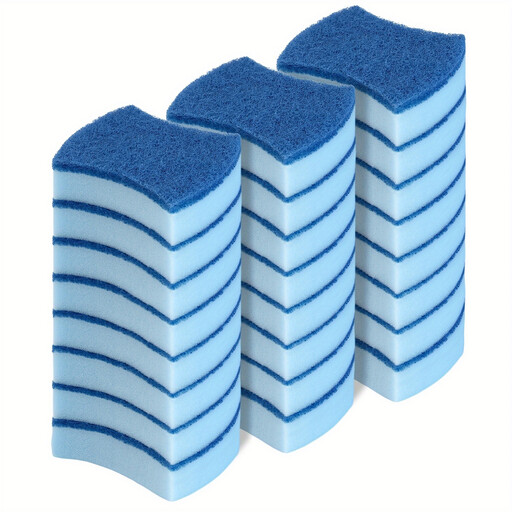
Why this fits the profile: A bulk pack is practical for households that regularly wash up and clean different rooms.
The double-sided design distinguishes between wiping and scrubbing. The product description states the scrub layer is non-scratch for glass and non-stick materials among others; still use limited pressure and check the surface.
24 pieces; cellulose sponge side; dimensions per sponge: 10.5 × 8.3 × 3 cm.
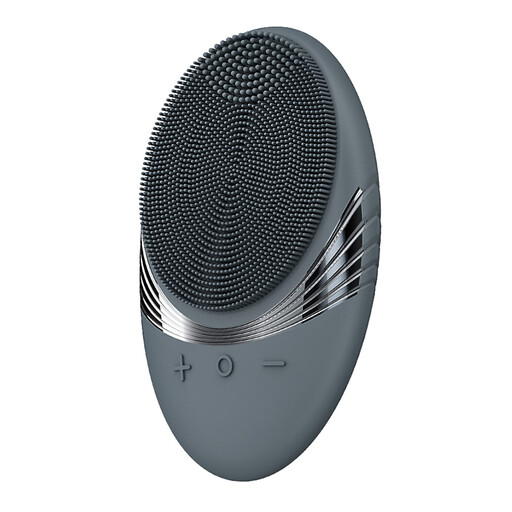
Why this fits the profile: Ideal for anyone looking for a compact electric tool with multiple settings for daily facial cleansing.
Five vibration settings offer more adjustability than a fixed brush. The silicone contact side is easy to rinse off; keep the housing dry according to the usage instructions.
5 settings; USB charging; battery capacity of 300 mAh; hanging loop; one-year warranty according to the product information.
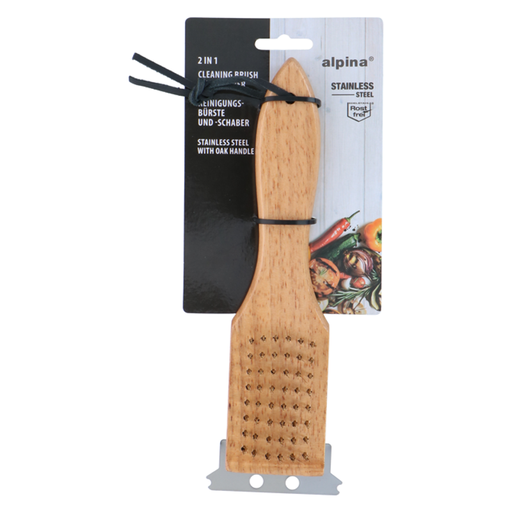
Why this fits the profile: A logical choice for barbecue users who want to clean both grates and hard-to-reach spots after grilling.
The 2-in-1 construction means you don’t need a different brush for each area. Only use the stainless steel parts on materials they are designed for.
2-in-1 design; stainless steel; oak handle; dimensions according to the product information: 3.2 × 7.2 cm.
We’ve put together a full, up-to-date list of products that fully meet these strict selection criteria and current European safety regulations.
For personal care, you might consider an African bath sponge, exfoliating sponge or facial cleansing brush. According to the product description, the Authentic African Net Sponge & Facial Exfoliating Pad Duo Set contains two synthetic net sponges weighing 90 grams with a cord for hanging. Use the sponge only externally, not on irritated or damaged skin, and let it dry completely after rinsing.
In the kitchen, a washing-up sponge, loofah sponge or stainless steel scouring pad are each intended for a different type of task. Test a new scouring pad first on an inconspicuous area. For the car, a car polishing brush, ventilation grille brush and car wash mitt are practical additions, but remove sand and dirt first to minimise scratches.
That depends on use, material and drying. Replace a sponge when it smells, tears or shows discolouration that won’t wash out. A brush needs replacing when the bristles fall out, bend or no longer clean effectively.
Rinse the sponge thoroughly after each use, squeeze out excess water and let it air dry completely. Don’t store it sealed in a damp container. Use separate sponges for the kitchen, bathroom and toilet.
A soft ventilation grille brush with microfibre or fine fibres is practical for narrow openings. Work with light pressure and check beforehand that there is no sand or hard particles caught between the fibres. A removable, washable head makes maintenance easier.
