
Vandaag of morgen in huis

Kwaliteit gegarandeerd

Welkomstaanbiedingen ontgrendelen: GRATIS bezorging | Tot 80% korting | Gratis 30 dagen JoyPlus-proefperiode
Download de app
A good cleaning brush makes all the difference when tackling grease, food residue, dust and limescale. Yet many households buy a brush that becomes difficult to keep clean after just a few weeks, cannot reach narrow gaps or turns out to be too harsh for a delicate surface. The same applies to offices, hotels and hospitality venues where brushes are used every day.
The product descriptions below are based on verifiable details such as materials, dimensions, brush type and included components. Brand claims about performance are not presented as guaranteed results.
A stiff scrub brush can be useful for grouting, patio tiles or a garage floor. However, the same type of brush can scratch glass, polished wood, painted surfaces and some cookware. Always check the recommended use and bristle hardness.
For example, the JORDAN&JUDY long-handled dish and pan scrubber explicitly states that it is not intended for surfaces with a delicate non-stick coating. For these surfaces, opt for a soft sponge or a brush specifically designed for the task.
A large cleaning brush set may seem like good value, but several similar brushes will not automatically cover different cleaning tasks. In the kitchen, you may need a kitchen brush, dish brush and pan scrubber. In the bathroom, a grout brush, crevice brush and toilet brush with holder are often more practical.
Pay attention to the difference between number of pieces, brush shape and intended use. A narrow brush for hard-to-reach areas serves a different purpose from a wide, stiff scrub brush.
A brush left wet in a closed holder or under the sink will dry slowly. This can lead to unpleasant odours and accelerate wear. Where possible, choose a holder with ventilation, a drying stand or a handle with a hanging loop.
Rinse the brush after use, remove any residue and let it dry completely. Replace it when the bristles come loose, bend out of shape or no longer make sufficient contact with the surface.
Also check whether the material is resistant to moisture and cleaning products. Never use stronger chemicals than those recommended on the label.
A long cleaning brush is useful when you want to keep your distance from dirt or hot water. The Dumortier radiator brush, for example, is 64 cm long, with a width and height of 5 cm. This format is designed for narrow spaces between and behind radiators.
For grout lines and crevices, a narrow, angled head generally works better than a wide brush. A flexible crevice brush can be useful around taps, shower screens, window tracks and kitchen edges.
Match the brush to the surface:
When in doubt, test the brush first in an inconspicuous area. A product description is not a guarantee that every surface can be cleaned without damage.
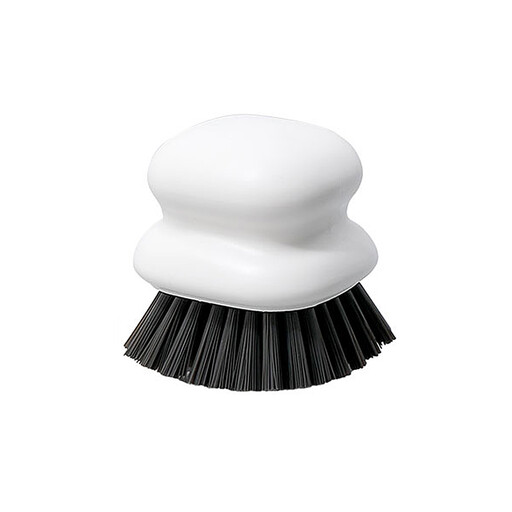
Why it fits: A compact choice for everyday dishwashing, cleaning pots and tackling kitchen or shower-room surfaces.
The short handle offers greater control than a long brush for small, targeted cleaning tasks. Do not use the brush on scratch-sensitive non-stick surfaces.
Plastic construction, ready to use straight away and suitable for kitchen and shower-room tasks according to the product description.
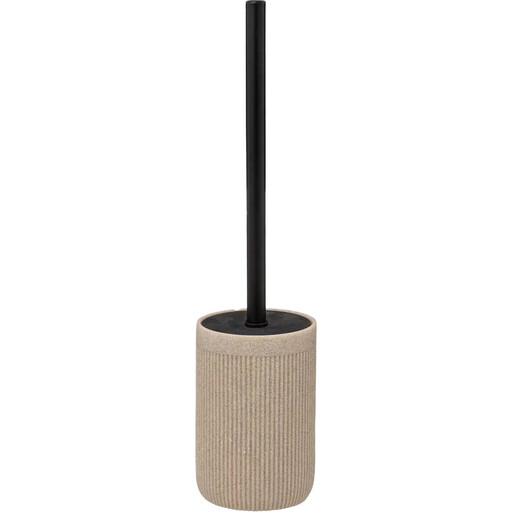
Why it fits: For anyone looking for a dedicated toilet brush with holder that can remain on display in a modern bathroom.
The brush comes with a holder, so there is no need to find a separate stand. Clean the holder regularly and ensure that moisture can drain away.
Approximately 40 cm high and 9 × 9 cm, with a stainless-steel handle and a PP brush.
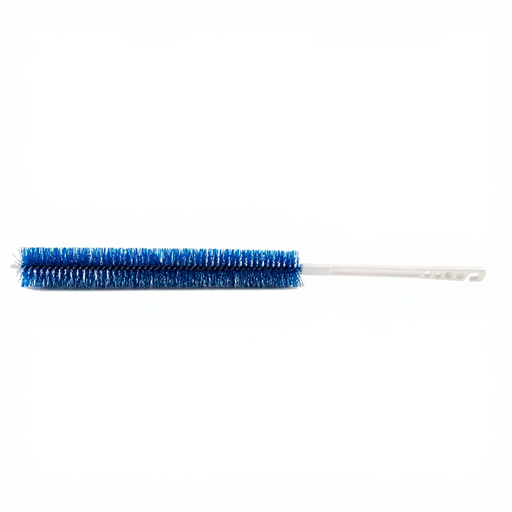
Why it fits: For homes, offices and hospitality spaces where dust and dirt need to be removed from between or behind radiators.
The length is clearly stated in advance: 64 cm. This makes it easier to assess whether the brush will fit your radiator and storage space.
Stiff plastic brush weighing 89 grams, with a 5 × 5 cm head, according to the product specifications.

Why it fits: For parents looking for one set for bottles, teats, straws and breast-pump components, at home or on the go.
The set includes several purpose-built attachments and a drying rack. Before use, always check the cleaning and sterilisation instructions for your specific baby products.
Includes a silicone bottle brush, teat brush, straw brush, soap dispenser, foldable drying rack and storage pouch, among other accessories.
Browse a current selection of cleaning brushes in a range of materials, sizes and designs.
Its lifespan depends on frequency of use, pressure, cleaning products and drying conditions. With daily use in a busy household or business, bristles wear out more quickly. Inspect the brush regularly and replace it when the bristles fall out, bend or become less effective at loosening dirt.
In practice, this is generally not advisable. Use separate brushes for the toilet, kitchen, bathroom and, where applicable, baby bottles. This helps limit the transfer of dirt between areas. Label brushes or choose different colours if several people in the household share cleaning duties.
The main ongoing costs are replacement brushes and cleaning products. A brush with a sturdy handle, appropriate bristles and effective drying options may remain usable for longer, but the product description alone does not guarantee a specific lifespan. Rinse the brush after use, let it dry and follow the care instructions on the packaging.
