
Vandaag of morgen in huis

Kwaliteit gegarandeerd

Welkomstaanbiedingen ontgrendelen: GRATIS bezorging | Tot 80% korting | Gratis 30 dagen JoyPlus-proefperiode
Download de app
A washing-up brush for everyday use requires different features from a pot scrubber for baked-on residue or a floor brush for grout. Yet many cleaning brushes and scouring pads look alike online. This makes it easy to choose the wrong product: a brush may be too hard for a delicate pan, a sponge may quickly lose its shape and a toilet brush may drain water poorly.
With these selection criteria, you can compare washing-up brushes, kitchen brushes, pot scrubbers, scouring pads and other household cleaning products based on practical features rather than marketing claims.
Stiff nylon bristles, steel wires and stainless steel fibres are designed for stubborn dirt. That does not mean they are suitable for every pan, sink or tile. Non-stick coatings, polished metal, glass and painted surfaces can be damaged by abrasive materials.
Always check the usage instructions. Only use a wire brush or stainless steel scouring pads on surfaces for which the product is intended. If in doubt, a soft cleaning sponge or a brush with flexible bristles is a safer starting point.
A set containing lots of scouring pads may seem like good value, but the cost of use also depends on durability and intended application. A pack of five sponges is practical for a household, while a 24-piece set may be worthwhile for families, shared student houses or small professional users.
Pay attention to the size, too. A sponge measuring 90 x 70 x 45 mm feels different in the hand from a smaller sponge. A handle can also help limit direct contact with dirt, hot water or washing-up liquid.
Damp brushes and sponges left flat on the worktop are less likely to dry properly. This can lead to odours and faster wear. Where possible, choose a product with a hanging loop, stand or holder. For a toilet brush with a holder, a design that allows water to drain away is more practical than a completely enclosed container where water can collect.
The material determines how much pressure you can apply:
A product description stating “scratch-free” or “safe for all surfaces” is not a guarantee that it is suitable for every material. Follow the warnings and usage restrictions on the packaging, based on the product information provided by the brand or supplier.
A short kitchen brush often gives you more direct control when cleaning pots and pans. A long-handled washing-up brush keeps your hands further away from water and dirt. According to the product description, the JORDAN&JUDY brush is 22 cm long and combines a PP handle with nylon bristles.
For bottles and narrow glasses, the shape of the head is particularly important. A bottle brush measuring approximately 35 cm can reach further into a bottle or flask. A hanging loop or stand makes drying easier.
A longer handle is practical for floors. According to the product information, a floor brush measuring 36 cm with 29 mm bristles is designed for floors, patios, grout and outdoor surfaces. Do not use such a hard brush on glass, polished wood or other delicate surfaces.
Rinse brushes and sponges thoroughly after use and allow them to dry completely. Replace a product when:
Only use cleaning products in accordance with the label. Do not mix different cleaning products, especially chlorine-based products and acids.
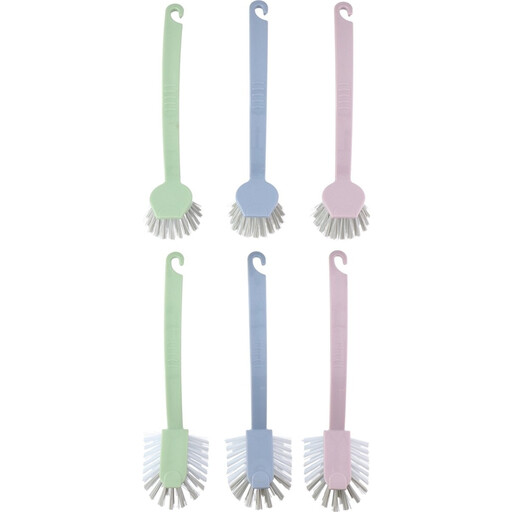
Why it suits this profile: A simple plastic washing-up brush for everyday use, with no complicated parts or assembly required.
The stated dimensions and plastic construction make the choice straightforward. However, check that the brush hardness is suitable for your crockery.
Plastic construction; approximately 28 cm long according to the product details; one item per pack.
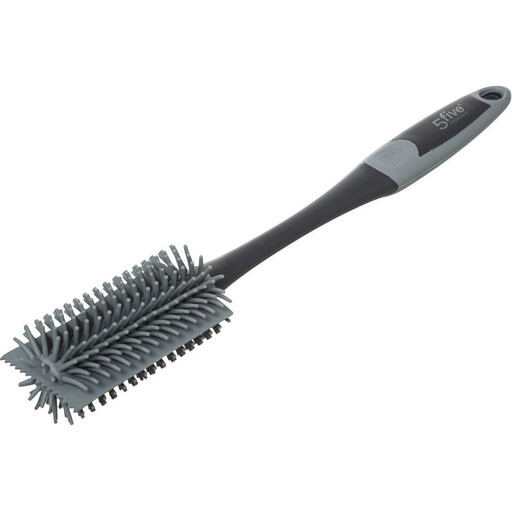
Why it suits this profile: Ideal for households with bottles, narrow glasses or flasks that are difficult to reach with a standard washing-up brush.
The length and design are suited to narrow containers. Do not use the brush on hot surfaces and allow it to dry after cleaning.
35 cm long; rubber bristles according to the product description; hanging loop and dishwasher-safe design according to the listed specifications.
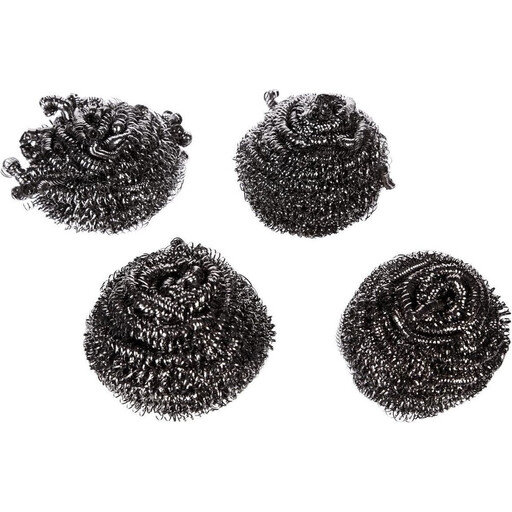
Why it suits this profile: A set for baked-on residue, oven racks and barbecue grills where a standard cleaning sponge does not provide enough abrasion.
The intended use is clearly specified. Do not use these stainless steel scouring pads on non-stick coatings, glass or other scratch-prone surfaces.
Stainless steel material; set of four; according to the product information, suitable for stubborn dirt on appropriate kitchen surfaces.
We have compiled a complete, up-to-date list of products that fully meet these strict selection criteria and the applicable European safety regulations.
This depends on the material, frequency of use and level of dirt. Replace the sponge as soon as the abrasive layer starts to come away, the sponge no longer rinses clean properly, tears or develops an unpleasant smell. It is advisable to use different sponges and brushes in the kitchen and toilet.
Choose a brush with soft or medium-soft nylon bristles and avoid wire brushes and metal scouring pads. Always check the pan manufacturer's instructions. Even a plastic washing-up brush can be too hard if you apply a lot of pressure.
A long handle can be useful for deep pans, bottles, floors and difficult-to-reach areas. A short handle often gives you more control for precise scrubbing. So consider the task first, then choose the appropriate length.
