
Vandaag of morgen in huis

Kwaliteit gegarandeerd

Welkomstaanbiedingen ontgrendelen: GRATIS bezorging | Tot 80% korting | Gratis 30 dagen JoyPlus-proefperiode
Download de app
A single brush may seem like a small purchase, but the wrong model can quickly disappoint. A handle that is too short, bristles that become misshapen or a holder where water collects are common reasons for having to buy another one. With the right cleaning brushes, you can match the material, shape and dimensions to the task.
A stiff wire brush may be suitable for certain hard-wearing materials, but it is not designed for a toilet bowl, a non-stick pan or delicate tiles. Conversely, a soft kitchen brush may not provide enough grip for baked-on dirt or grout.
So choose according to the application:
A compact brush may look neat, but it may not offer enough reach. For a toilet brush, check the overall height and the dimensions of the holder. For example, a 37 cm model with a base measuring 11.5 × 11.5 cm takes up very little floor space, but still has a clearly fixed size.
For a bathroom brush, a long handle, narrow head and hanging option are often more practical than a decorative design. Also consider storage: a brush that is stored wet will dry less effectively and may start to smell unpleasant more quickly.
No brush stays in the same condition indefinitely. Nylon or plastic bristles can bend, rubber can retain dirt and metal wires can come loose. Rinse a brush after use, allow it to dry and replace it when the bristles are visibly misshapen or damaged.
Also, do not use aggressive cleaning products on materials unless this is specifically indicated. The product description and packaging provide the guidance for maintenance and permitted uses.
The material determines how the brush feels and what you can use it for:
A sturdy brush is not automatically suitable for every job. Match the stiffness to the surface and the amount of dirt.
For a toilet brush, a handle of around 35 to 40 cm is common among the models available. A longer handle means you do not have to get too close to the surface being cleaned. For floors, an adjustable handle can be useful, especially when several people use the brush.
According to the product description, the emmama Pet Hair Removal Rubber Broom has an adjustable handle measuring up to 61 inches and a rubber head with an integrated squeegee edge. This makes the model suitable for floors, carpets, pet hair and liquids on smooth surfaces. The rubber head should be cleaned with water and mild soap after use and allowed to dry completely.
A toilet brush with a holder is practical when you want to keep the brush directly beside the toilet. Look for a compact base, sufficient stability and a design that allows water to drain away. With the 37CM Blue Toilet Brush, the holder measures 11.5 × 11.5 cm and the PP bristles are 25 mm long. The product information recommends keeping the holder dry and cleaning it regularly.
It is best to allow a washing-up brush or bottle brush to dry while hanging or standing upright. A hanging hole, separate stand or open design can help with storage. Also check whether the model is dishwasher-safe; this is not stated for every brush.
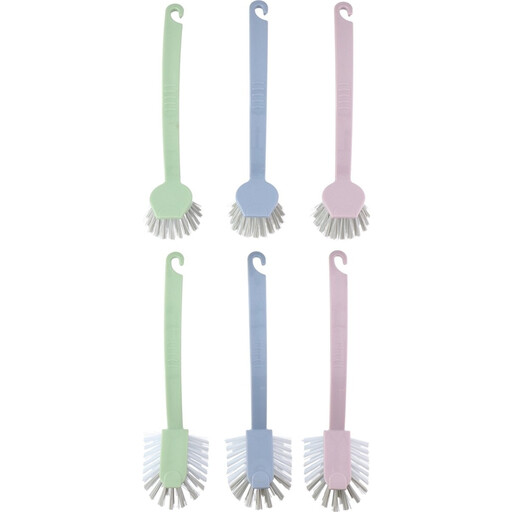
Why it suits this profile: This simple washing-up brush is designed for everyday kitchen use and has a plastic construction with a length of 28 cm according to the product specifications.
Its purpose is clearly defined: washing up. This means you do not have to buy a universal brush that is not ideally suited to any particular task.
Plastic construction, one item per pack and a handy size for plates and kitchen utensils.
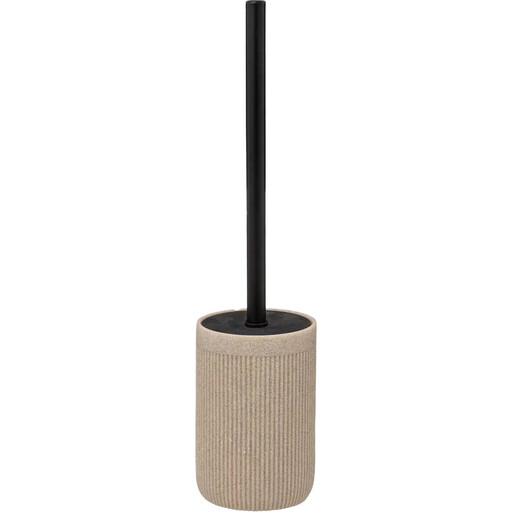
Why it suits this profile: This freestanding model combines a plastic brush, stainless steel handle and polyrésine holder. It is 40 cm high and the base measures 9 × 9 cm.
The dimensions and materials are clearly specified in advance, so you do not have to judge the holder by its appearance alone.
Freestanding placement, 40 cm height and a combination of PP bristles and a metal handle.
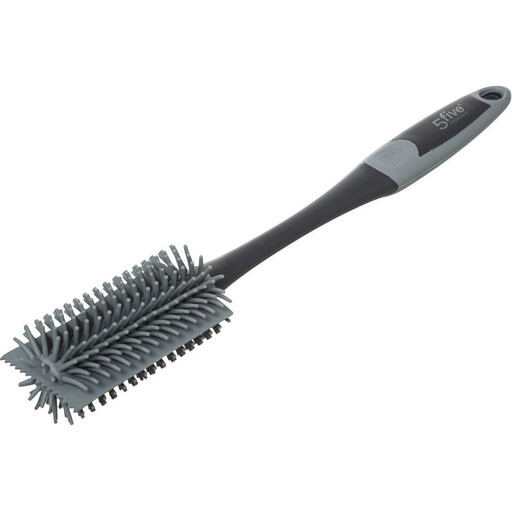
Why it suits this profile: The 35 cm bottle brush is designed for baby bottles, narrow glasses and other tight openings. The product information mentions a rubber brush, a scraper edge and a hanging hole.
The narrow purpose and length make it clear what the brush is designed for. This helps prevent a standard washing-up brush from falling short.
35 cm length, scraper edge for stuck-on residue and a hanging option for drying.
For a bathroom cleaning brush, rinse away any cleaning product residue and store the brush dry. Use a toilet brush only for the toilet bowl, as indicated for the 37CM Blue Toilet Brush. A grout brush can help with narrow gaps, but test it first in an inconspicuous area.
Pet owners may wish to consider a rubber floor brush for hair on carpets and hard floors. Use the integrated squeegee edge of a model such as the emmama brush only on smooth surfaces. For upholstered furniture, a lint roller may be more suitable than a stiff brush.
Allow a bottle brush to drain after rinsing. Before use, check whether any bristles are coming loose or whether the handle is damaged. Wire brushes require extra care: loose metal wires can damage surfaces or remain behind.
We have put together a complete, up-to-date list of products that fully meet these strict selection criteria and the applicable European safety regulations.
That depends on how it is used and what it is made of. Replace the brush when the bristles bend, come loose or no longer spring back properly. With a toilet brush, it is also advisable to replace the holder if it is damaged or can no longer drain water effectively.
A rubber floor brush may be suitable for collecting dog hair from carpets and hard floors. Check that the brush is designed for both surfaces. A rubber squeegee edge is particularly useful for liquids on smooth floors, but it is not a replacement for a brush designed for textiles.
Rinse the brush thoroughly after use, remove any visible dirt and allow it to air-dry completely. Store a toilet brush in a holder with sufficient drainage. Use separate brushes for the toilet, kitchen and personal care to prevent cross-contamination.
