
Vandaag of morgen in huis

Kwaliteit gegarandeerd

Welkomstaanbiedingen ontgrendelen: GRATIS bezorging | Tot 80% korting | Gratis 30 dagen JoyPlus-proefperiode
Download de app
Buying a single brush might seem straightforward – until you realise the bristles are too soft for caked-on dirt, the handle becomes slippery, or the brush won’t fit inside a bottle opening. When it comes to cleaning brushes, the right choice really depends on the task, the surface, and how easily you can clean the tool afterwards.
Before you buy, watch out for these common pitfalls:
The shape of the brush and the length of the bristles determine how much pressure you can apply. A washing-up brush with plastic or nylon bristles is practical for plates, pans and sinks. A pot brush with a sturdy handle helps with baked-on residue, but always check the manufacturer’s instructions first if you have delicate pans.
For the bathroom, a grout brush or a narrow crevice brush is ideal for the gaps around taps, tiles and shower screens. A wide scrubbing brush works better on larger floor areas, patios and garage floors. Don’t use stiff bristles on varnished, polished or easily damaged surfaces without checking first.
Other tasks call for a specific design:
Nylon, PET and polypropylene are commonly used for brush bristles. However, the material alone doesn’t tell you everything: the thickness, length and density also affect performance. Dense, stiff bristles are practical for grout, floors and stubborn dirt. Softer bristles are better suited to crumbs, delicate surfaces and light dust.
Pay attention to any warnings in the product information. Some brushes explicitly state that they are not suitable for non-stick coatings or delicate surfaces. If in doubt, test on a small, inconspicuous area first.
A length of 20 to 30 cm can be comfortable for washing-up and pots. A brush of 36 cm, such as a model with a TPR handle, offers more reach for floors, tiles and outdoor surfaces. A narrow bottle brush, on the other hand, must fit through the opening and still be able to reach the bottom.
Also check the grip. A TPR or rubber handle can provide more grip when you’re working with water. For a short hand brush, control is more important than reach; for a scrubbing brush, your posture and working height play a bigger role.
Rinse a brush after use and let it dry completely. Store it upright or on a supplied stand if possible. Check regularly for loose bristles, cracks or distortion. Do not use boiling water or harsh chemicals if the product information advises against it.
For replacement parts, compatibility is a strict requirement. The MOVA main brush in this selection is, according to the product information, intended for specific models. Always switch off a robot vacuum before replacing the brush and keep moving parts out of reach of children.
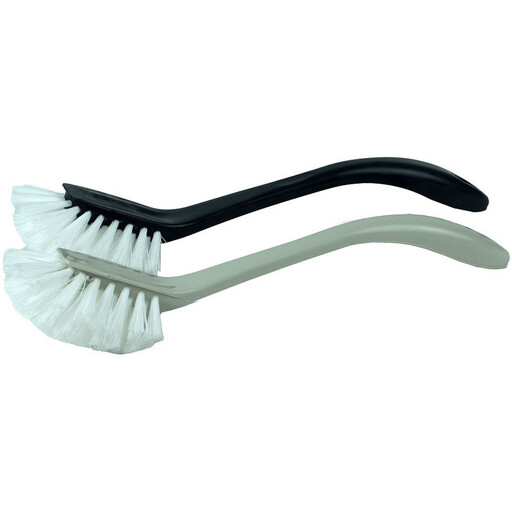
Why this fits the profile: A simple washing-up brush for everyday use on plates, pans and kitchen surfaces.
The product description mentions an ergonomic handle, sturdy bristles and easy rinsing. Check suitability for delicate pans yourself.
Plastic construction, one piece per pack and suitable for daily washing-up.
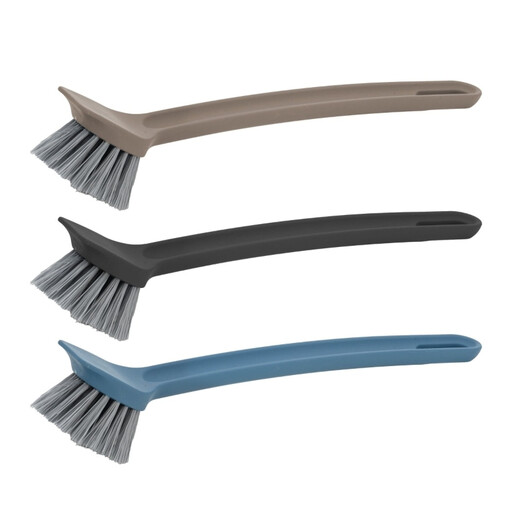
Why this fits the profile: For those who value material details and maintenance in a regular kitchen routine.
The listed materials are 100% recycled PP for the handle and nylon for the bristles. Let the brush dry after use rather than storing it wet.
Ergonomic handle, nylon bristles and a design for pre-rinsing crockery before the dishwasher.
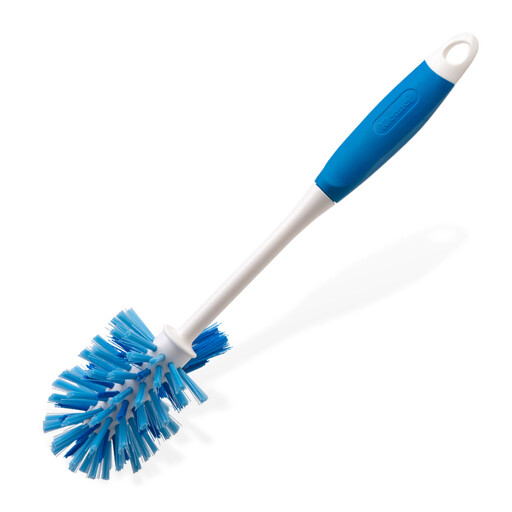
Why this fits the profile: For floors, patios, garages, tiles and grout where extra reach and stiff bristles are needed.
The 36 cm length and the stated stiff bristles make the area of use clear. Do not use this brush on glass or polished wood.
36 cm handle, 29 mm bristles and a TPR grip for use on indoor and outdoor surfaces.
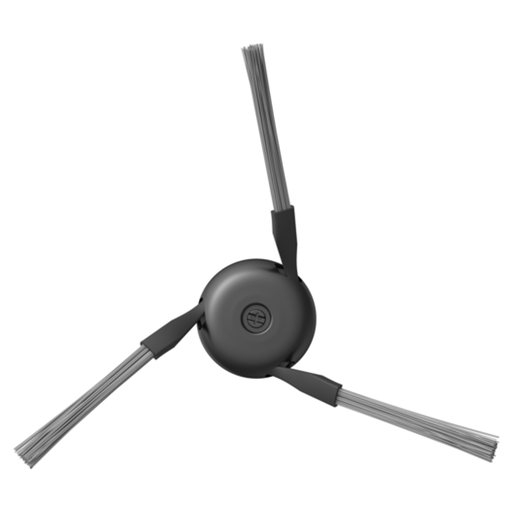
Why this fits the profile: For owners of a MOVA E30 or P50 Ultra who are looking for a compatible robot vacuum part.
The product information specifically mentions the MOVA E30 and P50 Ultra. Check your robot vacuum model before ordering.
Rubber main brush and model-specific application; replacement can be done without replacing the whole appliance.
We’ve put together a full, up-to-date list of products that fully meet these strict selection criteria and current European safety regulations.
Rinse the bristles with water immediately after use and remove any visible dirt. Let the brush dry completely in a well-ventilated spot. Only use a disinfecting or cleaning agent if the product information allows it. Afterwards, check for loose bristles or damage to the handle.
The lifespan depends on how often you use it, the pressure applied, the cleaning product used and how it’s stored. Replace a brush when the bristles become flattened, loose or misshapen and no longer remove dirt effectively. A brush used daily for heavy-duty tasks will generally wear out faster than a small dusting brush.
For grout, a narrow grout brush with stiff, densely packed bristles is usually more practical than a wide washing-up brush. Choose the handle length based on the location: a short brush gives you control over small gaps, while a longer model offers more reach on floors and walls. Always test on a small section of the tile first.
