
Vandaag of morgen in huis

Kwaliteit gegarandeerd

Welkomstaanbiedingen ontgrendelen: GRATIS bezorging | Tot 80% korting | Gratis 30 dagen JoyPlus-proefperiode
Download de app
A brush may seem like a simple household product, but choosing the wrong one can quickly become frustrating. A washing-up brush with bristles that are too soft will not remove baked-on residue properly. A bottle brush that does not reach far enough will leave dirt at the bottom. And with a grout brush, an awkward handle can make it difficult to apply enough pressure.
Similar pitfalls can arise with make-up brushes. A large make-up brush set may sound convenient, but if the shapes do not suit your routine, several brushes may end up unused in a drawer.
A set with lots of components is not automatically practical. First, check what each brush is designed for. A multi-purpose brush can be useful on different surfaces, but a narrow bottle opening or deep grout line requires a more specialised design.
Stiff bristles are useful for baked-on dirt, tiles or certain outdoor surfaces. For glass, delicate pans or baby accessories, soft silicone or plastic bristles may be more suitable. A wire brush, for example, is not intended for every kitchen task: metal wires can damage surfaces.
A brush that stays wet all the time can start to smell unpleasant and wear out more quickly. Look for a hanging loop, a stand or a design that allows water to drain away easily. With a baby bottle brush, also check whether the components can be cleaned or sterilised according to the product information.
Look at the material and stiffness of the bristles:
An ordinary kitchen brush works well on plates and pans, but not always in narrow openings. For bottles, flasks and vases, a bottle brush with a long, narrow head is more practical. A long-handled cleaning brush keeps your hands further away from hot water or cleaning products. For grout lines and edges, a grout brush or crevice brush with a narrow head offers more targeted cleaning.
Also check the length. The 5Five Rubber Bottle Brush is 35 cm long, for example, and according to the product description is designed for bottles and narrow glasses. However, a long handle is only useful if the brush head can also reach the bottom and corners.
A non-slip handle and a shape that feels comfortable in your hand make a difference with everyday use. Also consider:
Replace a brush when the bristles come loose, become misshapen or the head is difficult to clean properly. With a bottle brush, it is advisable to rinse it thoroughly after use and allow it to dry completely.
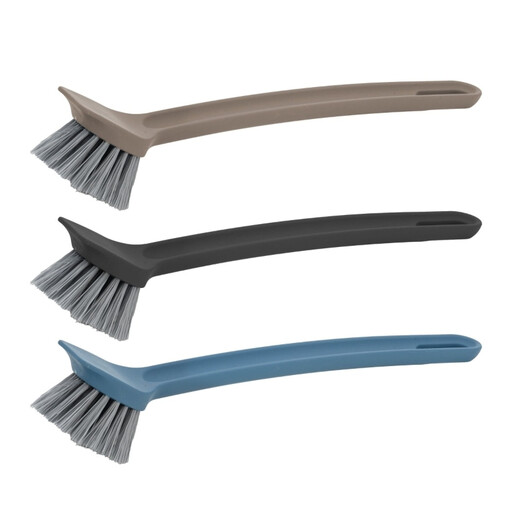
Why it suits this profile: This washing-up brush is a straightforward choice for everyday use on plates, pans and kitchen surfaces.
The product information mentions an ergonomic handle, nylon bristles and a design that absorbs very little water. This makes the brush easy to rinse and dry.
Recycled PP handle, nylon bristles and suitable for pre-cleaning dishes before putting them in the dishwasher.
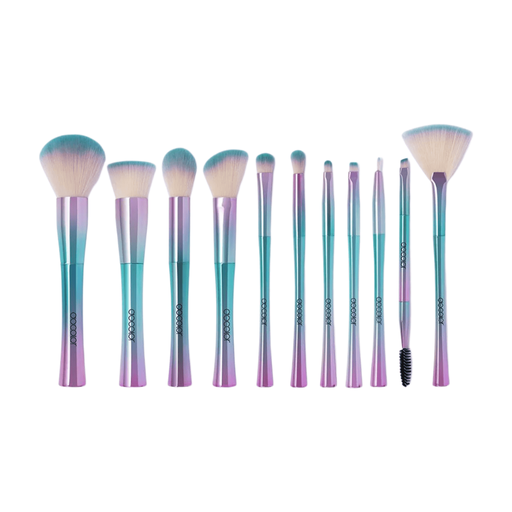
Why it suits this profile: For make-up enthusiasts who want to use different techniques with synthetic make-up brushes.
The set identifies the function of each component, so you do not have to choose based on the number of brushes alone.
11 brushes for foundation, powder, blusher, eyes, lips and eyebrows, among other uses; according to the product description, the bristles are synthetic.
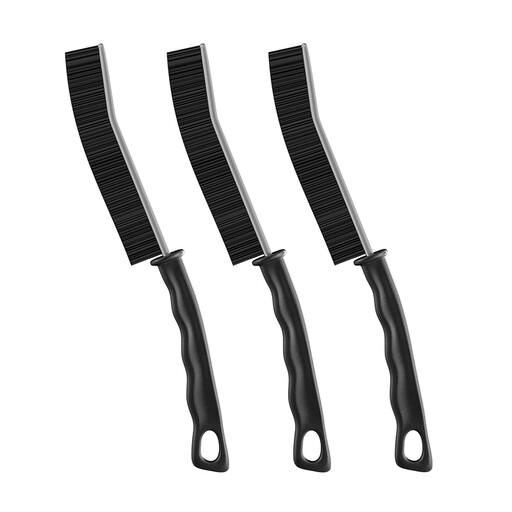
Why it suits this profile: A practical crevice brush for edges, narrow gaps and areas that a wide scrubbing brush cannot reach effectively.
The long handle is designed for hard-to-reach grout lines and gaps. The set contains three brushes, allowing you to tackle several cleaning areas.
Long handle, 3-pack and suitable for use at home, in the office or on the go according to the product description.

Why it suits this profile: For households that want to clean baby bottles, teats, straws and breast pump components with one set.
The set includes separate brushes for bottles, teats and straws. According to the product description, the silicone components can be boiled; always check this against the instructions for use.
7 components, food-grade silicone according to the product information, a foldable drying rack and a portable storage case.
We have compiled a complete, up-to-date list of products that fully meet these strict selection criteria and the applicable European safety regulations.
Rinse cleaning brushes immediately after use, especially after contact with grease, food residue or cleaning products. Then leave them to air-dry. Ideally, store a bottle brush in a stand or hang it by the handle. Do not use a wire brush on surfaces where the manufacturer advises against it.
For make-up brushes, clean them before first use and then wash them regularly with a mild brush cleaner. Leave them to dry flat or with the bristles facing down, so as little moisture as possible reaches the ferrule. Check synthetic make-up brushes for loose fibres and replace them when they no longer retain their shape.
A grout brush or crevice brush with a narrow head and firm bristles is the obvious choice. Choose a handle that allows you to apply sufficient pressure. For delicate tiles, it is advisable to test the brush on an inconspicuous area first.
It depends on use and wear. Replace the brush when the bristles splay, come loose, change colour or can no longer be cleaned properly. As a result, regular checks are more practical than following a fixed replacement schedule.
An ordinary bottle brush is designed for bottles, glasses and other narrow containers. A baby bottle brush often includes extra-small brushes for teats, valves or straws. With baby products, pay particular attention to the material, cleaning instructions and whether the components can be dried thoroughly.
