
Vandaag of morgen in huis

Kwaliteit gegarandeerd

Welkomstaanbiedingen ontgrendelen: GRATIS bezorging | Tot 80% korting | Gratis 30 dagen JoyPlus-proefperiode
Download de app
A washing-up brush, bottle brush or toilet brush may seem like a simple purchase. But there are clear differences in reach, bristle firmness, materials and care. Choose the wrong cleaning brush and it can quickly become awkward to use, shed bristles or prove unsuitable for the surface you bought it for.
A cheap brush may seem appealing, but check the material, dimensions and intended use too. For example, a short kitchen brush is less practical for cleaning a deep pan. For a narrow bottle, the diameter of the brush head matters more than its appearance.
Firm bristles aren’t automatically right for every task. On glass, painted plastic or a car’s interior, they can cause scratches if you apply too much pressure. A scrubbing brush with firmer bristles can be a good choice for baked-on dirt on tiles or grout.
A brush that stays wet for a long time can develop an unpleasant smell and wear out more quickly. Look for a holder, stand or hanging option. Check the bristles regularly and replace the brush if they come loose, become misshapen or no longer clean effectively.
Choose the shape to suit the cleaning task:
As well as the brush head, check the overall length. A long handle gives you extra reach, while a compact brush is easier to store.
Many cleaning brushes are made from plastic, nylon, PP or a combination of microfibre and plastic. The right choice depends on the surface:
Don’t rely on a marketing claim alone when it comes to sustainability, lifespan or cleaning results. Look for verifiable details such as the material, length, weight, replaceable parts and care instructions.
After use, rinse the brush with lukewarm water and a mild cleaning product, if the product information says this is safe. Let it dry completely before putting it away. Don’t use harsh acids, bleach or strongly alkaline cleaners unless the manufacturer specifically recommends them.
Ventilation is important for a toilet brush with a holder. If a reusable cleaning brush has a detachable head or washable cover, check that all the parts can dry properly. Use a nail brush with light pressure and stop if your skin becomes irritated.
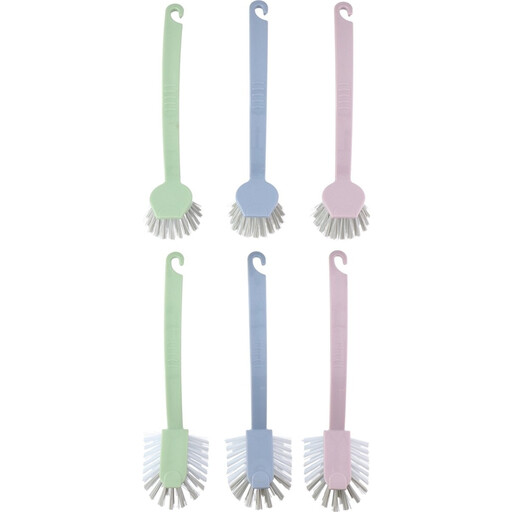
Why it suits this profile: A simple plastic kitchen brush for everyday washing-up and pre-rinsing dishes before putting them in the dishwasher.
Its 28 cm length and plastic handle are clearly stated, so you can check in advance whether it will suit your sink.
Plastic construction, one brush per pack and a handy design for general washing-up tasks.

Why it suits this profile: For households that regularly clean water bottles, baby bottles, vacuum flasks or narrow-necked vases.
The product description specifies flexible bristles and a design for narrow containers. The included stand helps the brush dry after use.
Weighs 0.04 kg, with flexible bristles and a stand for storage and air-drying.
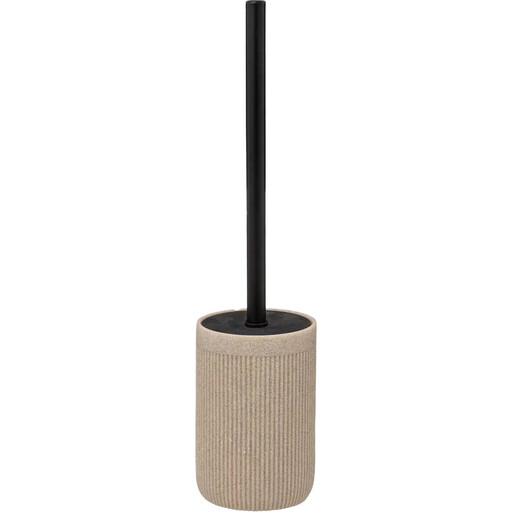
Why it suits this profile: For anyone looking for a freestanding toilet brush and holder that can stay in a modern bathroom.
The 9 x 9 x 40 cm dimensions and freestanding design are specified, so you can check how much space you have before buying.
Polyresin holder, stainless steel handle and polypropylene brush.
For lint on clothes, the Adhesive Brush + 2 Spare Rolls comes with two extra rolls. If you want to remove dust from air vents, keyboards or blinds, take a look at the Green Air Vent Cleaning Brush. According to the product description, it has a detachable, washable head and measures 16 x 6 x 2,5 cm.
The Radiator Brush, Hard Plastic 64 cm is a useful option for radiators thanks to its long handle. A scrubbing brush such as the Work brush Supreme duo plastic is better suited to general tasks in the kitchen, bathroom and garage, on tiles and on some carpet surfaces. For smaller personal cleaning tasks, there’s a compact nail brush measuring 8,5 cm. Take extra care when choosing a carpet brush, as bristle firmness matters: always test it on an inconspicuous area first.
We’ve put together a complete, up-to-date list of products that meet these strict selection criteria and the applicable European safety regulations.
It depends on how often you use it and what it’s made from. Replace the brush if the bristles come loose, bend out of shape, retain an odour or no longer sit properly against the surface. With heavy daily use, you may need to replace it sooner than if you only use it occasionally.
Rinse the bristles with water after use and remove any visible dirt. Use a mild cleaning product if permitted. Let the brush air-dry completely and don’t leave it standing in water for long periods. For specialist materials, always follow the instructions on the packaging.
Choose a bottle brush with a narrow, flexible head and a long enough handle. Check that the head fits through the opening and that the handle can reach the bottom. A standard washing-up brush is often too wide or too short for this.
