
Vandaag of morgen in huis

Kwaliteit gegarandeerd

Welkomstaanbiedingen ontgrendelen: GRATIS bezorging | Tot 80% korting | Gratis 30 dagen JoyPlus-proefperiode
Download de app
A loose brush for the floor, kitchen, bathroom and car might seem like a simple purchase. Yet many shoppers fall into the same traps. A brush can look sturdy, but in practice be too soft for caked-on dirt, difficult to dry, or unsuitable for a delicate surface. With the right cleaning brushes, you can avoid buying the wrong products and choose a tool that suits the task, the surface and how often you use it.
An attractive handle says little about how well it works. Always check the material, length and stiffness of the bristles. A soft brush is handy for crockery, ventilation grilles or delicate surfaces. For grout, patios and stubborn dirt, you need denser, firmer bristles.
A hard scrubbing brush can loosen dirt on a tiled floor, but may scratch glass, polished wood or certain plastic surfaces. A rubber broom or silicone broom works differently from a traditional floor brush: the rubber edge can gather dust, hair and liquid, but it is not suitable for every floor finish.
A cleaning brush that is stored away wet and dirty will wear out faster and can develop unpleasant odours. So pay attention to whether the brush can be rinsed thoroughly and left to dry completely. A bottle brush with a stand, for example, is practical for narrow bottles because you can leave it upright to drip dry between uses.
Match the bristles to the surface:
Also check whether the manufacturer gives a warning for delicate surfaces. Do not use an intensive scrubbing brush on glass, polished wood or materials that scratch easily.
A floor brush with a long handle stops you from having to bend down constantly. An adjustable handle is handy when several people in the household use the same brush. For small tasks, a short hand brush is more precise. Think of a shoe brush, nail brush or dishwashing brush.
A good grip is especially important when cleaning with water. A non-slip TPR rubber handle can give you more control when you need to scrub firmly. Also check that the handle connection is secure and that parts can be easily replaced or reattached.
Where possible, choose a brush that you can rinse with water after use. Then leave it to dry completely in a well-ventilated spot. With a bottle brush, it is important that water does not sit in the brush head for a long time. With a rubber brush, you can clean the head with water and mild soap according to the product information.
Replace a brush when bristles come loose, become misshapen or no longer pick up dirt effectively. Products with a statutory EU warranty of at least two years also come with consumer rights as described for the relevant product. The warranty does not mean a brush will last indefinitely: wear and tear from use still depends on the surface, cleaning product and frequency of use.
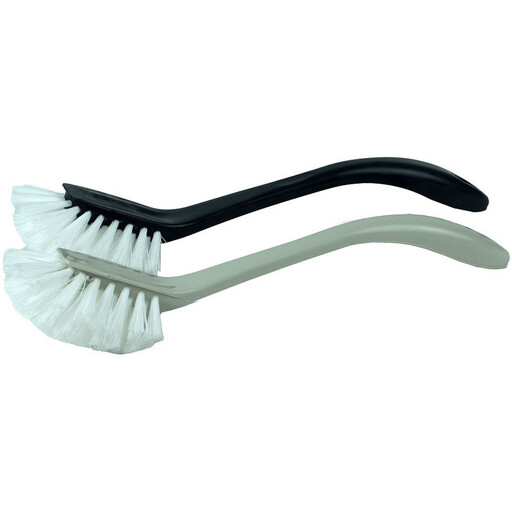
Why this suits the profile: This dishwashing brush is a straightforward choice for everyday kitchen use, with an ergonomic handle and one brush per pack.
The product description states that the brush is easy to rinse and quick to dry. That helps with good daily maintenance.
Ergonomic handle; suitable for plates, pans, pots and kitchen surfaces; plastic construction.
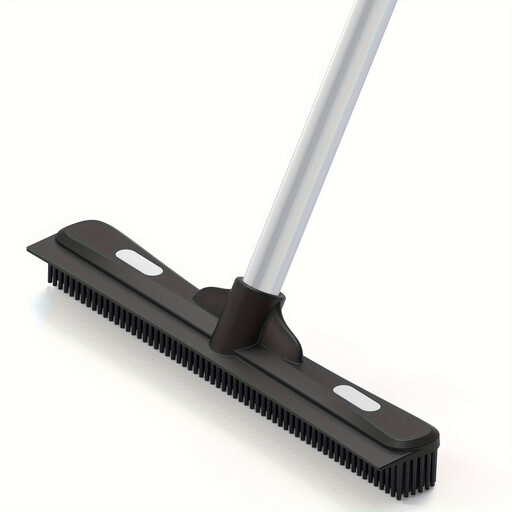
Why this suits the profile: A household with pets can benefit from a rubber floor brush with an adjustable handle for carpet and hard floors.
The rubber head is not only intended for hair and dust; the built-in squeegee edge is also designed for liquid on smooth surfaces, according to the product description.
Rubber head; 2-in-1 design; adjustable handle up to 61 inches; designed for carpet, hard floors and smooth surfaces.
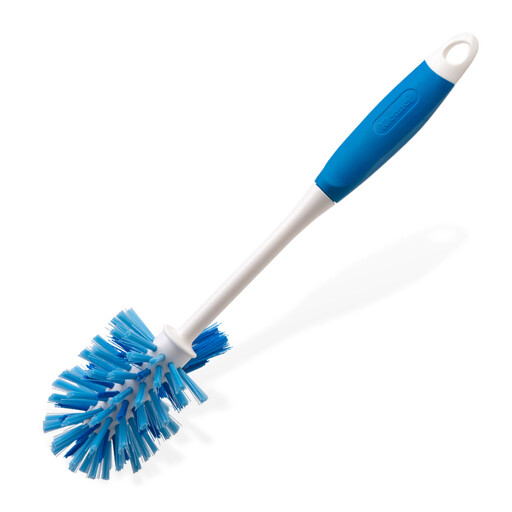
Why this suits the profile: This scrubbing brush is aimed at intensive tasks such as grout, garage floors, patios, tiles and outdoor furniture.
The specifications mention a wide head with 29 mm firm polypropylene bristles. This makes it clearer what the brush is intended for and what it is not.
36 cm handle; 29 mm firm bristles; TPR grip handle; suitable for indoor and outdoor use.
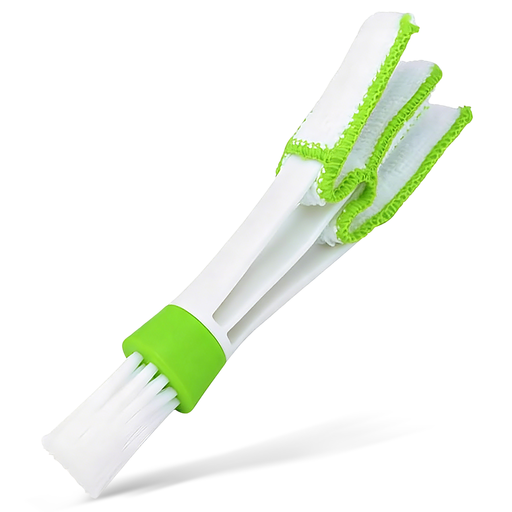
Why this suits the profile: The compact ventilation grille brush is designed for crevices in the car, keyboards, blinds and small household surfaces.
The brush has a removable and washable microfibre head. This makes cleaning easier than with a fixed brush head.
Microfibre and PP bristles; double, curved brush head; size 16 × 6 × 2.5 cm; washable head.
We have put together a full, up-to-date list of products that fully meet these strict selection criteria and current European safety regulations.
For narrow bottles, thermal mugs and vases, a bottle brush with flexible bristles is more practical than an ordinary dishwashing brush. The Bottle Brush York Hc 01016 has a stand to let the brush dry, according to the product information.
A carpet brush is designed for a different type of dirt than a floor brush. Check that the bristles are not too hard for your carpet. For shoes, a set with hard and soft bristles, such as the JORDAN&JUDY Shoe Brush Set, can offer more flexibility. A compact nail brush of 8.5 cm is suitable for personal use; do not apply excessive pressure on sensitive skin.
A rubber broom can gather hair and fluff from hard floors and some carpets. Look for a flexible rubber head and a handle long enough for comfortable use. Always test on a small area of the carpet first.
Rinse the brush after use with water and possibly mild soap. Remove visible dirt, shake off excess water and leave the brush to air dry completely. Do not use harsh products unless the product information expressly allows it.
That depends on the material, the surface and how often you use it. A brush for daily dishwashing wears differently from a scrubbing brush for patio stones. Replace the product as soon as bristles come loose, become flattened or the cleaning result noticeably declines.
